
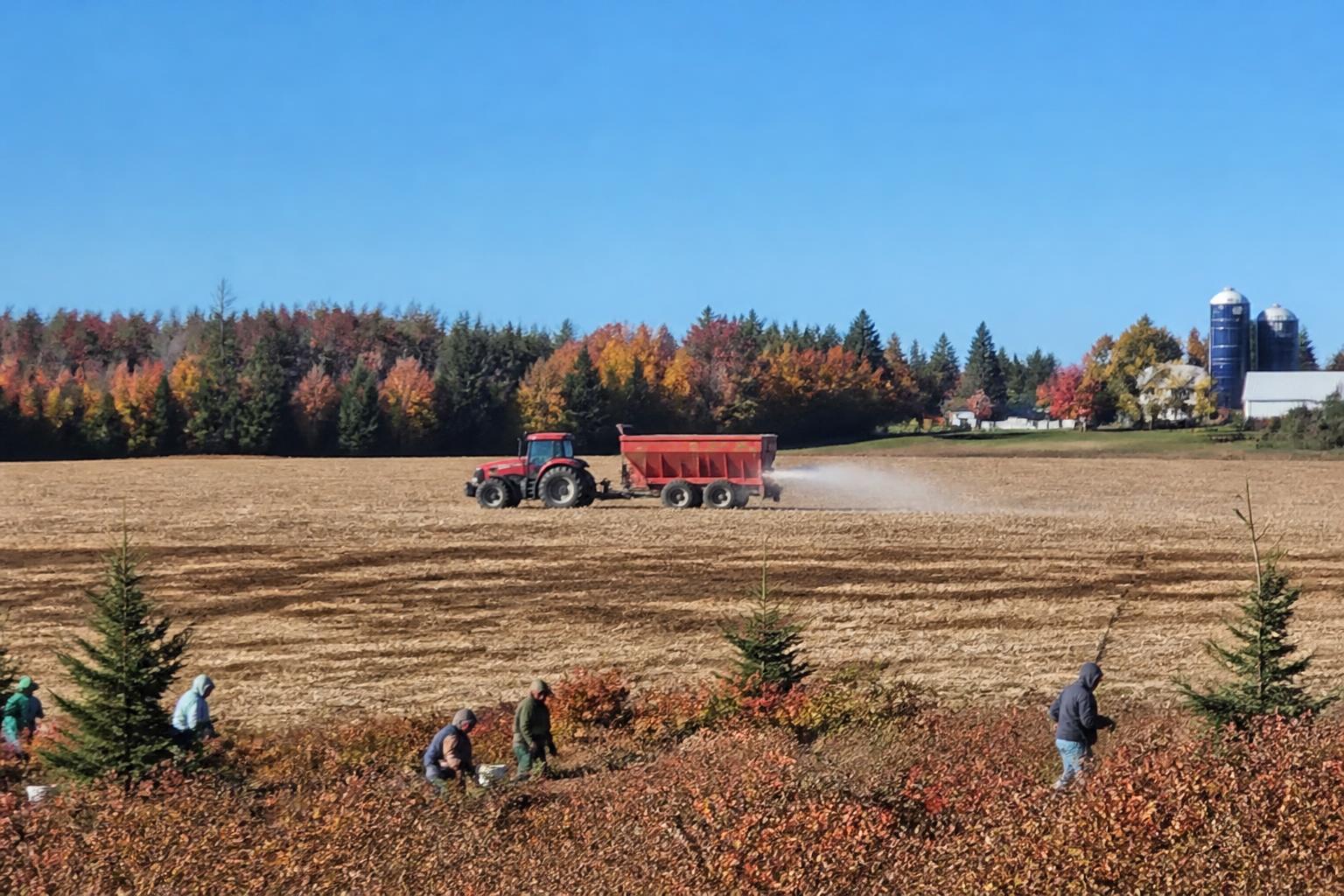
As the fall season brings harvest activity to a close across Maine, producers are shifting their focus toward winter preparations and evaluating the broader economic landscape. For many agribusinesses and family farms, the final months of the year are a critical window to assess operational risks, particularly in the face of ongoing regulatory discussions and evolving market pressures.
Agricultural resilience in the state continues to be a central topic of conversation. Recent legislative activity regarding environmental reporting requirements has highlighted the ongoing need for farms to maintain rigorous management practices. Staying ahead of these policy shifts can be a significant factor in maintaining smooth operations and ensuring compliance throughout the production cycle.
Balancing Market Access and Operational Risks
For those managing diverse operations, from row crops to value-added food production, finding a balance between localized market opportunities and broader economic realities is essential. The push to bolster infrastructure, such as the interest in expanding Portland as a regional food production hub, may offer new avenues for producers looking to shorten supply chains and improve logistics efficiency. By focusing on proactive farm management strategies, operators can better insulate themselves from volatility while capitalizing on Maine's growing reputation for high-quality food systems.
Strategies for Long-Term Stability
Beyond daily operations, the industry is increasingly looking at how to maintain viability during leaner periods. Financial considerations, including potential support measures for sectors like the dairy industry, underline the importance of robust budgeting and risk mitigation. Integrating new technology—such as tools that provide detailed plant health insights or help monitor soil conditions—is becoming a common approach for farmers aiming to squeeze more efficiency out of every acre.
Ultimately, the key to navigating the current climate lies in preparation. Whether it is through optimizing storage logistics to manage price fluctuations or tightening up record-keeping to meet changing environmental standards, Maine producers who prioritize operational agility are better positioned to weather the off-season.
What it means for the market
The Maine agricultural sector is entering a phase of increased scrutiny and strategic evolution. Expect to see continued emphasis on regulatory compliance and local infrastructure investment, which may eventually lower transport and processing hurdles for growers. For producers, the current market environment rewards those who integrate advanced management tools and remain closely aligned with regional policy developments to protect their bottom line.
Comments
No comments yet - be the first to share your take.