
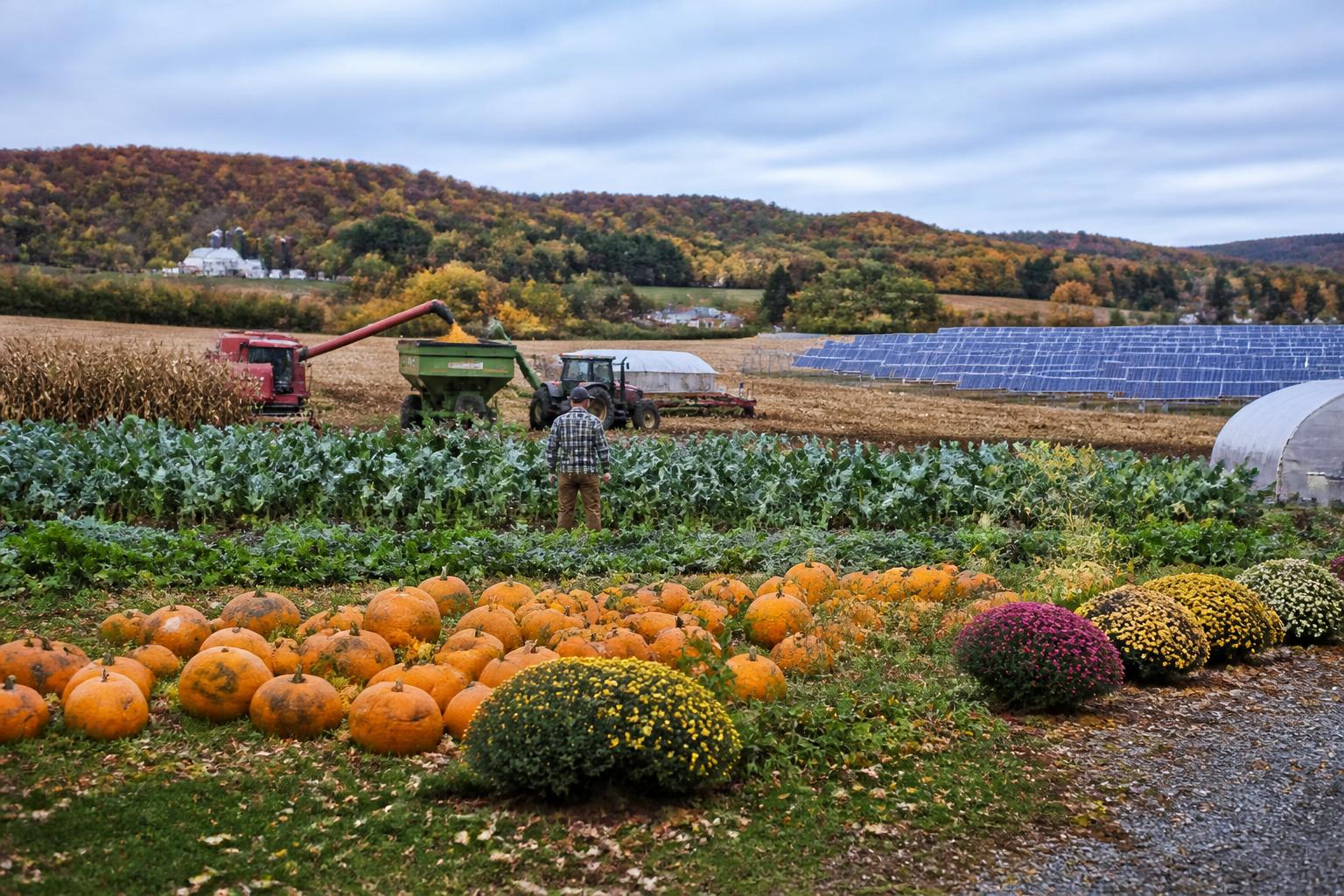
As we move through the heart of the fall harvest in New York, the rhythm of our rural corridors intensifies. For growers across the state, from the fertile soils of the Finger Lakes to the productive expanses of Western New York, this season is defined by the critical balancing act of maximizing throughput while maintaining operational agility. With equipment movement peaking on local roads and highways, farmers are once again navigating the typical complexities of seasonal transport and facility intake schedules.
Ensuring that grain and specialty crops reach their destination efficiently requires proactive coordination. As logistics patterns shift, growers often find that clear communication with grain handlers and elevator managers is the most effective way to avoid bottlenecks. Whether you are managing harvest-related transport constraints or evaluating your storage strategies, the ability to pivot based on local traffic and facility capacity remains a fundamental skill for the modern agribusiness.
Input Management and Operational Efficiency
Beyond the immediate movement of harvested commodities, producers are also evaluating their long-term supply chain position. Recent reports suggest that optimizing input workflows remains a priority, especially as farms look to balance soil health with the practical demands of large-scale production. Effective input logistics—including the timely staging of fertilizers and crop protection tools—is essential for sustaining productivity through the coming year. These operational adjustments help farmers maintain consistency even when facing broader market fluctuations.
Adapting to Land and Resource Changes
New York's agricultural landscape is evolving, with some producers increasingly integrating diverse resource management strategies into their business models. From field-level decisions about cover crop varieties to the repurposing of acreage for infrastructure, modern farming requires a high degree of adaptability. Successfully managing these transitions, while keeping one's core logistics and marketing goals in focus, is what sets successful New York operations apart during a busy, demanding harvest window.
What it means for the market
For the average New York agribusiness, the current market climate underscores the value of flexibility. As harvest continues, focusing on reliable transport partnerships and maintaining strong communication with local cooperatives can help mitigate the impact of unexpected supply chain disruptions. By prioritizing operational transparency and staying informed on regional logistics, producers can better protect their margins in a volatile season.
Comments
No comments yet - be the first to share your take.