
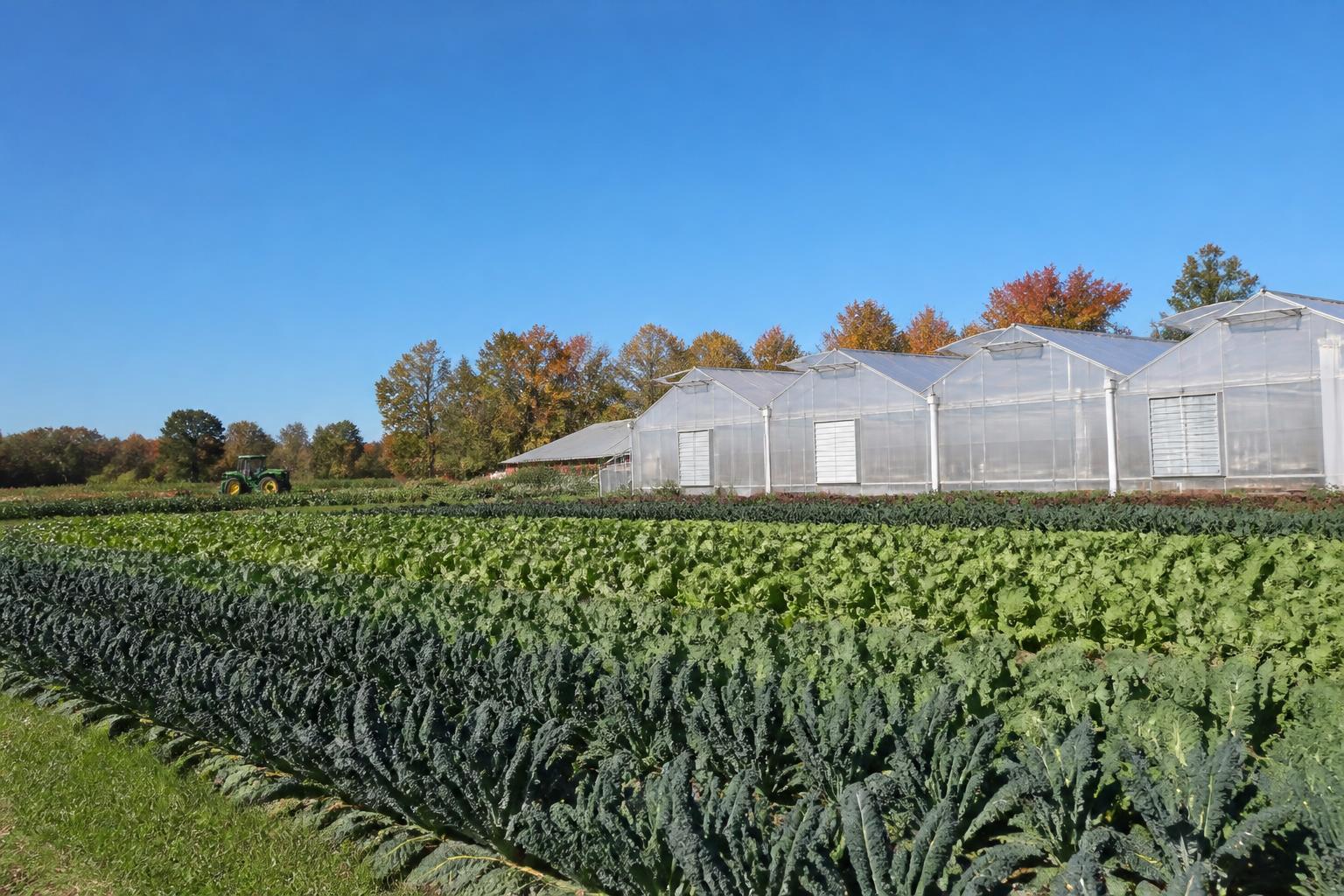
As the fall season progresses in New York, the intersection of harvest activity and supply chain logistics creates a unique operational environment. With field work hitting its peak pace across the state, from the fertile corridors of the Genesee Valley to the productive fields of the Hudson Valley, farmers and grain handlers are balancing high-volume transport needs with the steady movement of essential inputs.
Maintaining an efficient flow of goods remains a priority for agribusinesses, especially as the industry continues to emphasize building resilient supply chains. The current environment highlights the importance of proactive scheduling for transport and logistics providers to navigate the seasonal uptick in road traffic and on-farm activity.
Refining Input Management and Transport Efficiency
In many regions of the state, the focus has shifted toward securing necessary inputs for upcoming cycles while managing current harvest-related outflows. Operators are frequently evaluating their transport logistics to mitigate potential delays, particularly when moving heavy equipment or significant grain volumes between staging areas and storage facilities.
The integration of advanced management systems often aids in keeping operations lean. Whether coordinating fleet movements along major corridors or managing the timing of local deliveries, utilizing data-driven oversight can help address the complexities of modern ag-logistics. Producers and elevator operators who prioritize clear communication with their transport partners often find greater success in navigating the pressures typical of the autumn window.
Strengthening Operational Resilience
As the sector moves through October, the focus remains on reliability and preparedness. For businesses involved in the movement of grain and agricultural inputs, the current climate reinforces the value of adaptive planning. This is particularly relevant as the industry continues to address broader challenges in New York's evolving logistics landscape and seeks to maintain the stability of local distribution networks.
Furthermore, staying informed on current market dynamics helps stakeholders stay ahead of shifts in cost and availability. As noted in recent assessments of New York's input and supply stability, proactive engagement with suppliers remains a cornerstone of successful seasonal management.
What it means for the market
For New York farmers and handlers, the current logistics landscape demands a high degree of coordination. By anticipating seasonal bottlenecks and maintaining flexible transport schedules, operators can protect their margins and ensure that essential inputs and commodities move reliably throughout the fall, supporting overall market efficiency at a critical time of year.
Comments
No comments yet - be the first to share your take.