
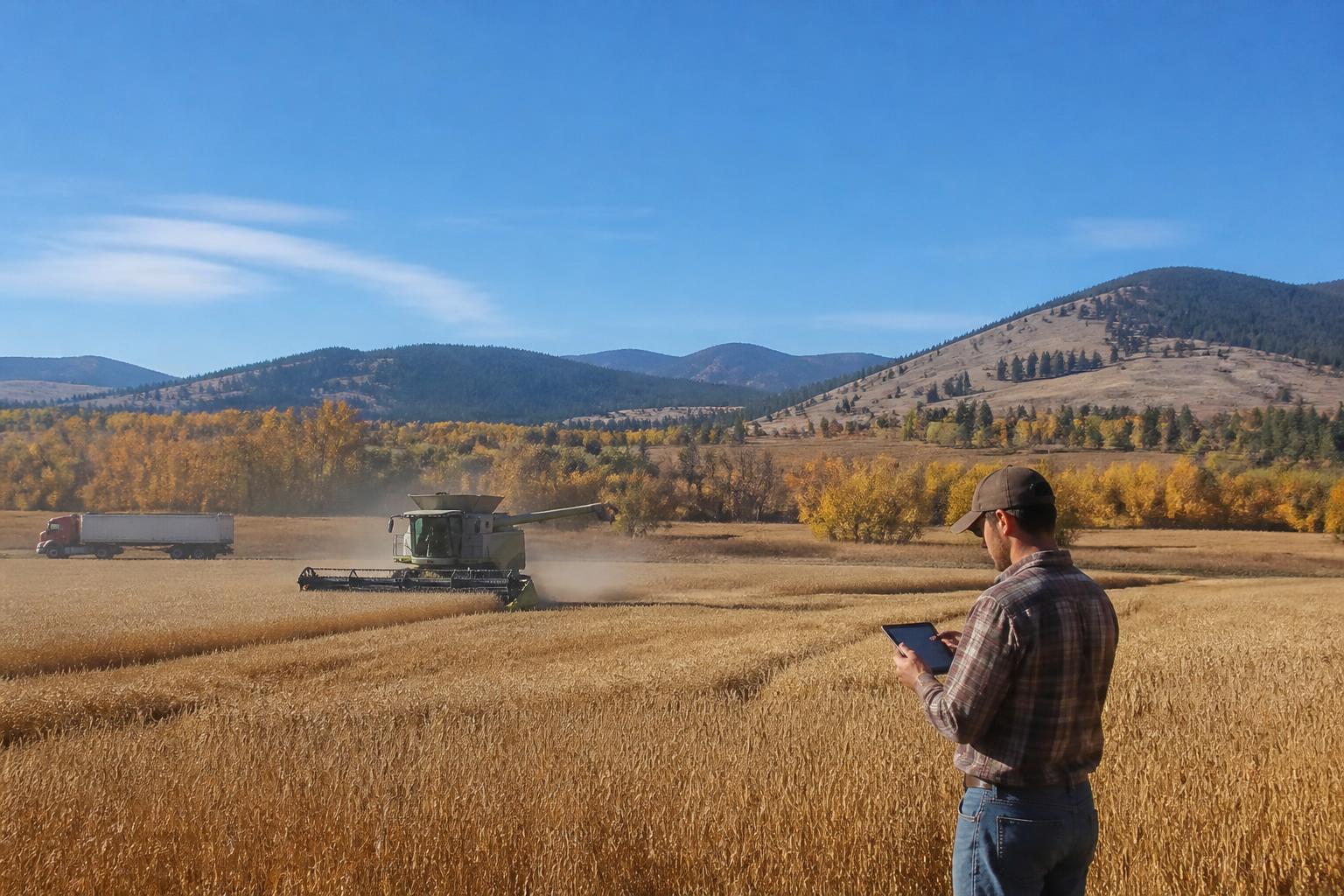
As Montana producers move further into the fall, the focus shifts toward securing essential inputs for upcoming cycles. While international supply dynamics often dominate broader discussions, for Montana growers, the reality remains deeply rooted in regional logistics and the physical movement of product across our expansive landscape. Maintaining stable inventory levels in key corridors remains a priority as operations transition into the off-season.
Navigating Regional Supply Chains
Producers along the Hi-Line and throughout the central regions of the state are navigating complex supply chain environments. Ensuring that fertilizer stocks are managed effectively is essential for maintaining operational resilience. As highlighted in our fall fertilizer outlook, balancing current inventory needs against regional transportation capacity is a persistent challenge that demands careful planning.
For many, the current environment necessitates a proactive stance. Efficient coordination between local elevators, storage facilities, and transport partners can help mitigate delays. Whether preparing for soil amendments or planning for the next planting window, timely communication with suppliers helps prevent the bottlenecks that can occasionally occur during peak seasonal transitions.
Operational Efficiency and Field Strategy
Modern farming in Montana increasingly relies on data-driven approaches to optimize input usage. By leveraging precision agriculture tools, producers are better equipped to manage nutrient applications and respond to the unique climate pressures faced in the Northern Plains. Strategic fertilizer planning combined with rigorous soil analysis ensures that every dollar spent on inputs contributes to long-term yield stability.
Furthermore, as growers work through the current season, they are also navigating the broader complexities of agricultural infrastructure. Ongoing developments, such as the proposed energy projects in eastern Montana, may eventually influence the regional availability of agricultural inputs, making it vital to keep a close watch on both local and regional infrastructure updates.
Key Takeaways for Producers
- Prioritize early procurement to hedge against potential regional logistics bottlenecks.
- Utilize precision data to refine input applications, ensuring efficiency in diverse Montana soil types.
- Maintain steady communication with your local coop or supplier regarding stock availability and delivery timelines.
As discussed in our broader review of operational risks, being prepared for variability in both weather and supply remains the hallmark of a successful season. Staying connected with local market updates allows for more agile decision-making throughout the fall and winter months.
What it means for the market
For Montana agribusinesses and farmers, the current market environment emphasizes the need for decentralized inventory management and robust regional logistical partnerships. While global fertilizer trends may shift, the stability of local operations will continue to depend on the ability to secure and distribute essential inputs ahead of seasonal demand spikes.
Comments
No comments yet - be the first to share your take.