
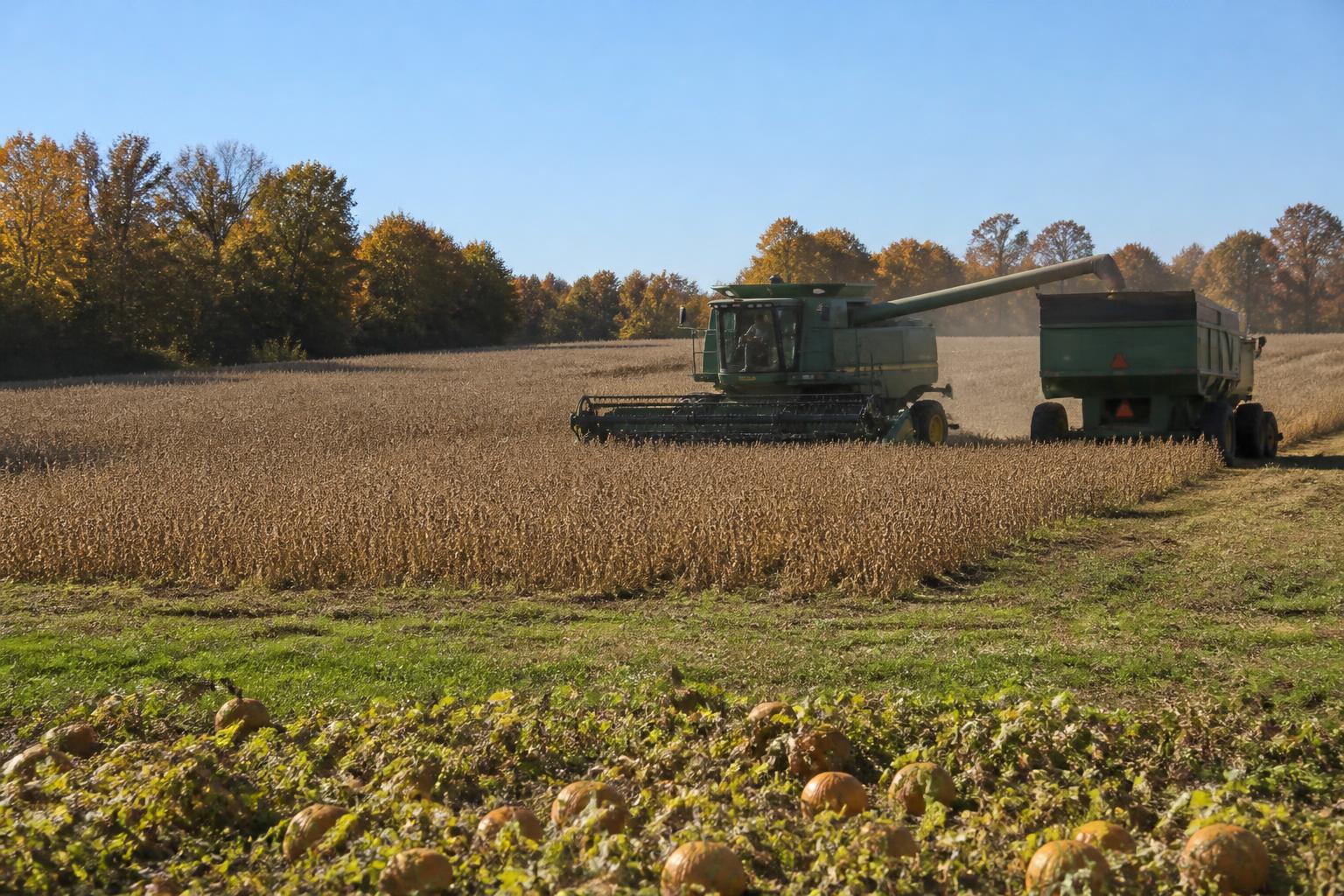
In the heart of Georgia's agricultural season, growers and agribusinesses are balancing the traditional demands of harvest with an increasingly complex logistical landscape. Whether moving poultry inputs through the Piedmont or managing regional crop distribution, the ability to maintain steady transport flows is essential to maintaining profitability.
Efficient Georgia agricultural logistics often depend on the integration of local road networks and larger distribution centers. As regional capacity evolves, operators are finding that success is increasingly tied to how well they adapt to shifts in seasonal movement patterns and the integration of new infrastructure projects designed to support the state's diverse farming output.
Adapting to Operational Realities
For many Georgia producers, the current environment necessitates a proactive stance toward supply chain management. From navigating weight restrictions on secondary roads to ensuring timely pickup for perishable commodities, the nuances of field-to-market transport require constant attention. Recent shifts in the broader market highlight how important it is to have reliable, diversified logistics partnerships to hedge against unexpected bottlenecks during the busy fall window.
Building Resilience in the Field
Beyond physical transport, optimizing logistics and input management is a cornerstone of seasonal success. This includes planning for the delivery of essential soil amendments and inputs ahead of potential market volatility. Strengthening these internal systems helps ensure that producers can maintain momentum throughout the harvest season, regardless of broader external economic pressures.
What it means for the market
For the Georgia agribusiness sector, the takeaway is clear: stability is found in preparation. As the state infrastructure landscape continues to evolve—often influenced by broader national trends in agricultural policy and commerce—those who prioritize logistical flexibility and proactive planning are better positioned to protect their margins. Monitoring regional transport corridors and staying connected with local infrastructure developments remains one of the most effective ways for farmers and handlers to mitigate risk and keep goods moving effectively through the supply chain.
Comments
No comments yet - be the first to share your take.