
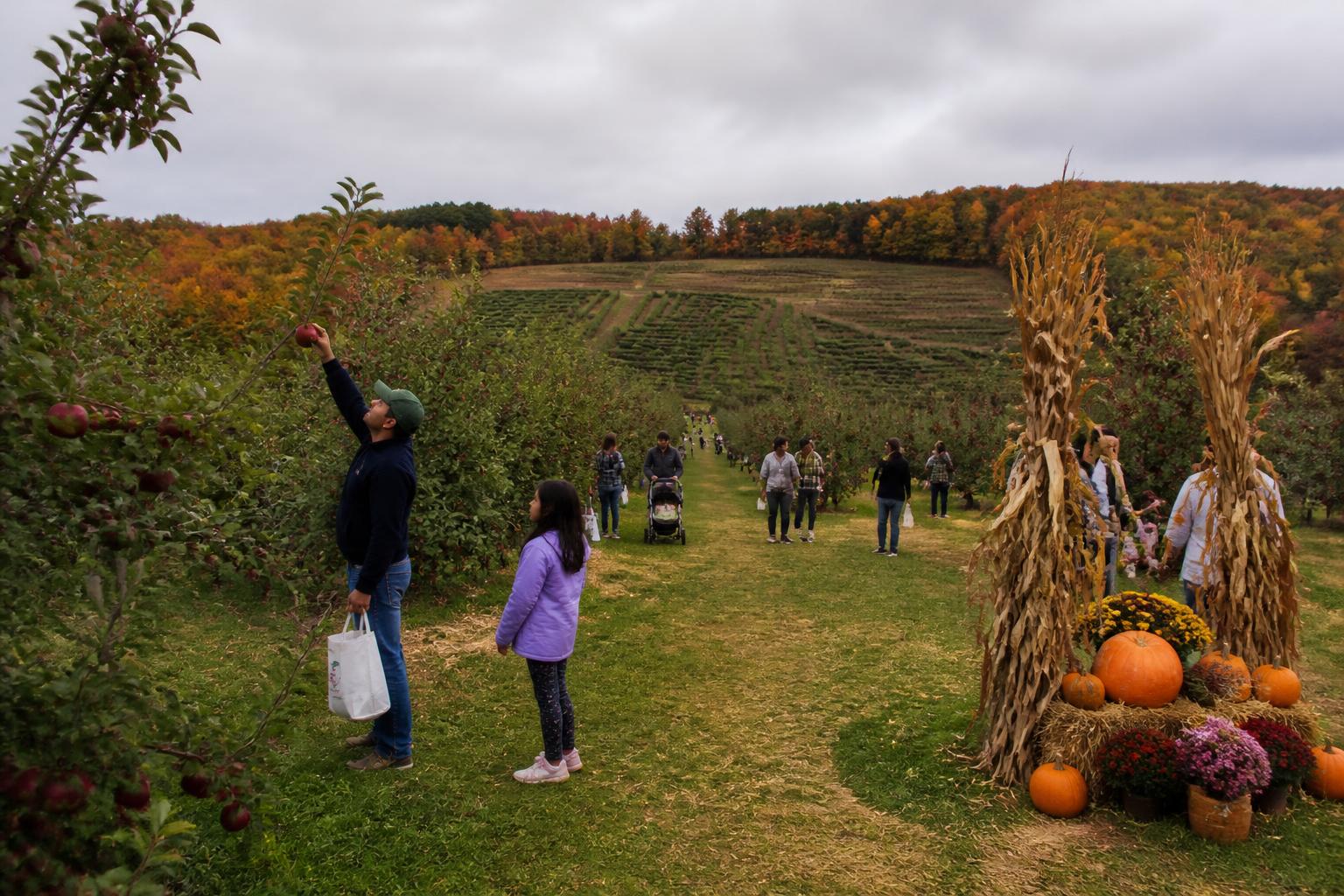
For New Hampshire producers, the fall months represent a critical window where field operations and market preparation converge. With the harvest cycle in full swing, local growers are currently juggling the immediate logistical demands of moving crops while evaluating the long-term viability of their equipment and land assets. In regions like Hollis and throughout the Seacoast, the pressure to maintain operational efficiency often competes with the need for thoughtful stewardship of agricultural land.
Navigating Equipment and Asset Management
Many producers are finding that managing equipment life cycles has become more complex this season. The process of upgrading or trading in machinery often involves navigating tighter margins, leading some to optimize fall storage and logistics to bridge the gap between harvest and the next planting cycle. Understanding how to manage capital assets without overextending liquidity is a recurring challenge in today's high-input cost environment, making maintenance and strategic planning more vital than ever.
Land Stewardship and Market Resilience
As navigating land stewardship and regulatory pressures continues to define the landscape, many farmers are exploring diversified revenue streams. Whether through the rise of niche specialty crops or engaging with local agritourism, there is a clear push toward building operations that can withstand broader market fluctuations. This, combined with the efforts of beginning farmers and those utilizing specialized programs, reflects a shifting approach to how agricultural land is valued and utilized across the state.
What it means for the market
For grain handlers and agribusinesses, the current period demands flexibility. As local producers look to streamline their supply chains, those who offer reliable storage solutions and efficient equipment support will likely see increased demand. By analyzing fall harvesting and market adaptation, stakeholders can better position themselves to support the unique needs of New Hampshire agriculture, ensuring that both large-scale operations and smaller family farms remain productive throughout the coming winter months.
Comments
No comments yet - be the first to share your take.