
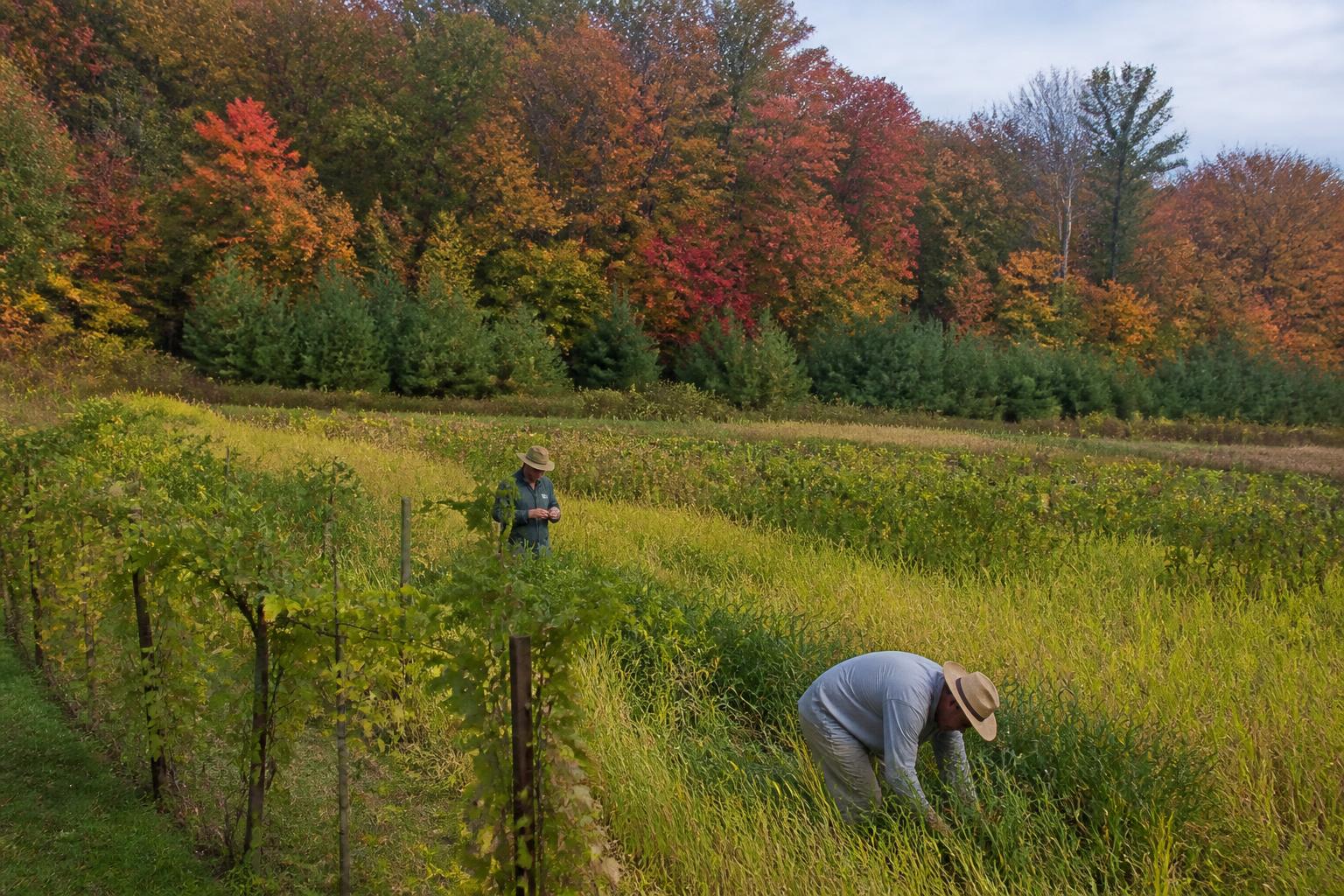
As we move through the final stretch of the fall season, New Hampshire agricultural producers are balancing immediate harvest demands with the broader need for land stewardship. The ongoing preservation of working landscapes, such as recent conservation milestones in regions like Farmington, plays a vital role in maintaining the state's rural economic footprint. For many growers, securing land tenure and protecting soil health are no longer just optional practices but foundational components of long-term market viability for New Hampshire farms.
Regulatory and Environmental Considerations
Operational challenges this season have extended beyond traditional logistics. Farmers are increasingly monitoring how regional environmental policies impact their day-to-day work. From concerns regarding water quality permits to the evolving conversation around pesticide protections, state-level regulatory changes can directly influence input costs and farm management strategies. Furthermore, as producers look toward future resilience, understanding the impact of seasonal volatility on farm output remains a priority for those looking to stabilize their annual returns.
Adapting to Evolving Production Landscapes
In addition to regulatory navigation, there is growing interest in diversifying local crop profiles. As production guides for niche crops like kiwiberries become more accessible, growers are evaluating if these alternative investments fit into their existing crop protection and land management plans. Balancing these new ventures while maintaining core operations requires a focus on both technological precision and consistent conservation funding. For those managing grain or specialty operations, staying informed on operational hurdles during the harvest window is essential for keeping supply chains moving through local corridors.
What it means for the market
The New Hampshire market is currently defined by a dual focus on immediate harvest efficiency and long-term asset protection. Producers who prioritize sustainable land management while staying proactive regarding environmental compliance are better positioned to absorb potential market fluctuations. As the season winds down, keeping a close watch on conservation incentives and local resource management policies will be key for navigating the upcoming winter planning phase.
Comments
No comments yet - be the first to share your take.