
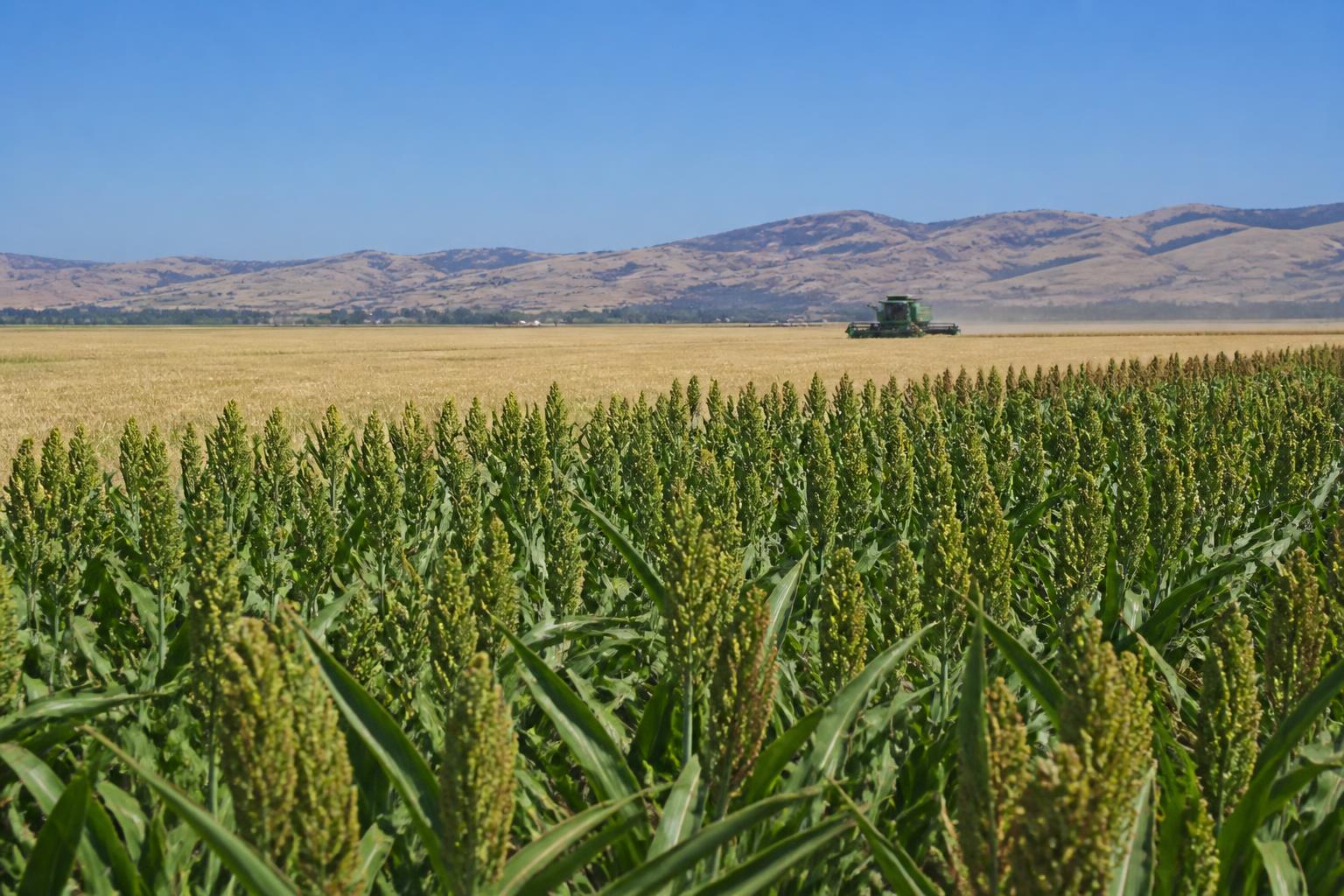
As the California summer harvest gains momentum, grain growers and handlers across the state's major agricultural basins are navigating a complex mix of production achievements and financial pressures. While field reports suggest a highly promising wheat harvest, including a significant jump in durum acreage, producers are grappling with softening medium-grain rice markets and persistent overhead challenges ranging from high diesel fuel costs to shifting farmland equity.
Strong Wheat Outlook and Shifting Acreage
California wheat conditions are shaping up well this season. In key growing regions, such as the Central Valley and the Imperial Valley, a favorable growing cycle has positioned the crop for solid yields. Notably, durum wheat acreage in California has doubled, reflecting a targeted shift by growers seeking to capitalize on specific market demands. Additionally, hard red wheat prices remain a critical focal point for local elevators and marketers as harvest volumes hit the supply chain.
To better understand how these production dynamics intersect with state-level compliance, growers can review the California grain market outlook on summer harvest and regulatory pressures.
Pricing Pressures on Medium-Grain Rice and Water-Saving Forages
While wheat is experiencing a strong run, the rice sector faces a different set of challenges. Medium-grain rice prices are currently experiencing downward pressure, forcing growers to closely monitor their marketing windows. At the same time, long-term water scarcity continues to drive discussions around dryland farming practices and alternative forage options. Sorghum is increasingly viewed as a viable, water-efficient alternative to traditional silage corn, offering similar forage benefits while utilizing significantly less water.
Adopting these low-water and resilient crops is a central theme for producers adjusting to the state's evolving resource landscape, as outlined in our analysis of California field crops and grains water and labor challenges.
Rising Operating Costs and Resource Constraints
Underpinning all harvest activities this summer are intense operational headwinds. California fuel prices are sounding alarm bells for custom harvesters and truck fleets operating along major shipping corridors like Interstate 5 and Highway 99. Rising transportation costs are chewing into farm margins, compounded further by a recent dip in overall California farmland values, which has reduced agricultural equity. Policy pressures, labor availability concerns, and logistics bottlenecks further complicate the economic landscape for local agribusinesses.
Key Takeaways
- California wheat conditions are highly favorable, supported by a dramatic doubling of durum wheat acreage.
- Medium-grain rice faces downward price pressure, requiring careful risk management.
- Water conservation efforts are driving interest in sorghum as a low-water silage option and dryland farming adaptations.
- High fuel costs and declining farmland equity are squeezing regional operational margins.
What it means for the market
For California grain market participants, this summer presents a stark contrast between strong agronomic output and tight financial margins. The abundance of high-quality wheat offers robust opportunities for export and milling markets, but high transportation tariffs and lower rice pricing mean that buyers and sellers must execute logistics with maximum efficiency. Strategic pivot options, such as incorporating water-smart forage crops, will likely transition from experimental trials to standard operational practices as resources tighten.
Comments
No comments yet - be the first to share your take.