
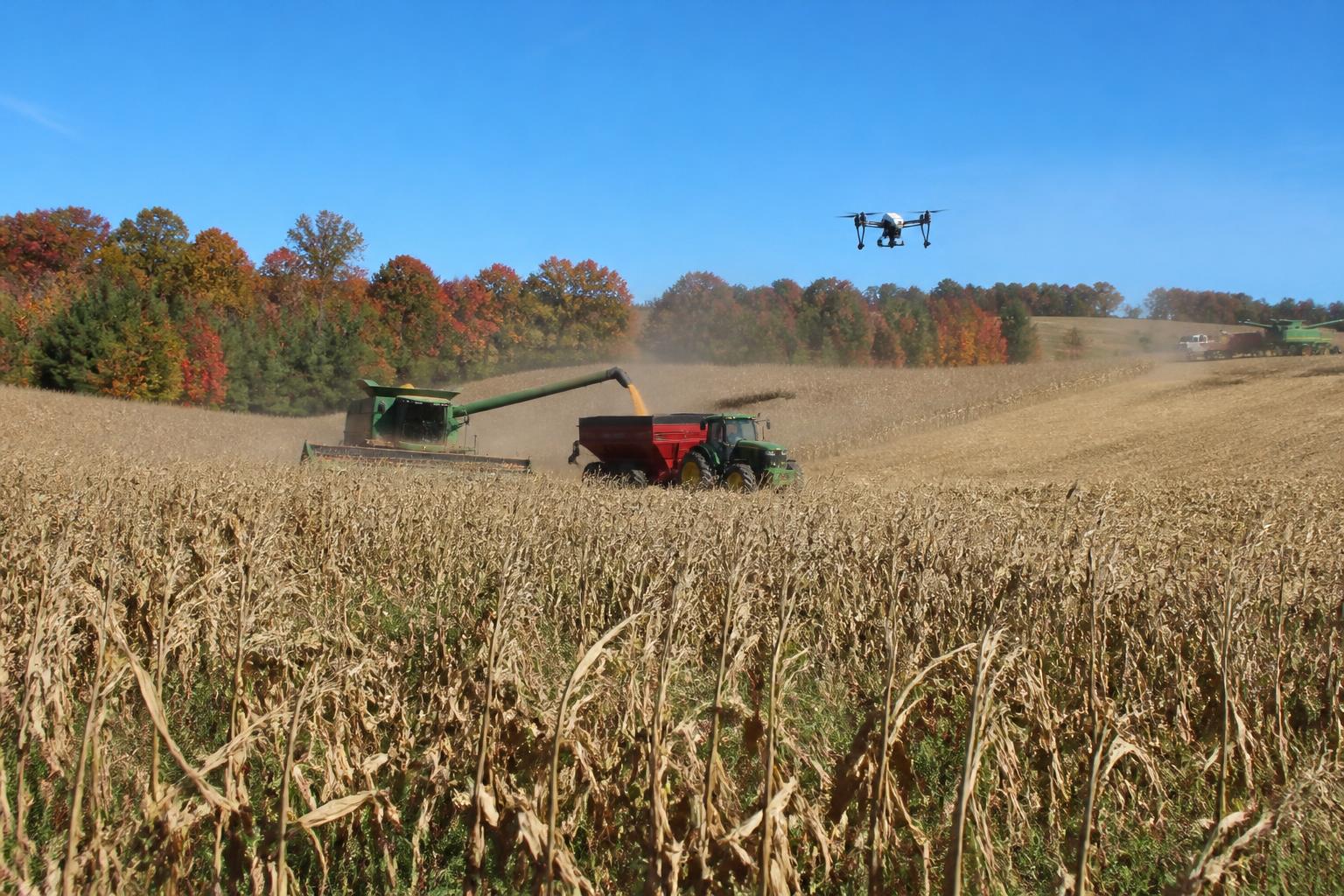
The North Carolina harvest season is hitting its stride this October, bringing the typical scramble to move grain and commodities from fields to elevators. Across the state, agricultural producers are balancing traditional harvest pressures with evolving logistical variables, including local fuel cost fluctuations that remain a top-of-mind concern for transportation budgets.
Ensuring smooth logistics throughout the fall cycle is paramount as elevators reach capacity and trucking demand spikes. For many operators, efficiency in the field must be matched by a coordinated strategy for over-the-road transport, particularly in regions where road weight restrictions or regional infrastructure bottlenecks can lead to unexpected delays during peak delivery windows.
Navigating Market and Operational Pressures
Beyond the immediate demands of harvest, North Carolina agribusinesses continue to monitor broader economic factors that impact the bottom line. From local land-use shifts in rapidly developing counties to the ongoing need for modernized, precision-based technology, the sector is in a state of adjustment. The focus remains on maximizing output while mitigating the impact of external price volatility on key inputs, which has historically influenced how grain handlers manage seasonal flow and manage storage turnover.
Adapting to Technological and Regulatory Shifts
Innovative approaches, such as new animal waste management facilities and the integration of precision agriculture tools, are becoming increasingly relevant as farmers look for long-term operational resilience. Whether it is exploring new crop alternatives or adopting advanced biofungicide formulations to address pest pressures, the goal is to maintain competitive margins in an increasingly globalized market. Proactive planning for equipment maintenance and haulage scheduling remains the most effective defense against the seasonal logjams common during this busy time of year.
What it means for the market
For the North Carolina agricultural sector, the current environment underscores the importance of supply chain agility. Producers who prioritize early communication with grain buyers and trucking partners are better positioned to weather the current harvest rush. While infrastructure and regulatory developments continue to evolve, the immediate focus remains on leveraging regional logistics networks to ensure that the fall yield is moved and stored with minimal disruption.
Comments
No comments yet - be the first to share your take.