
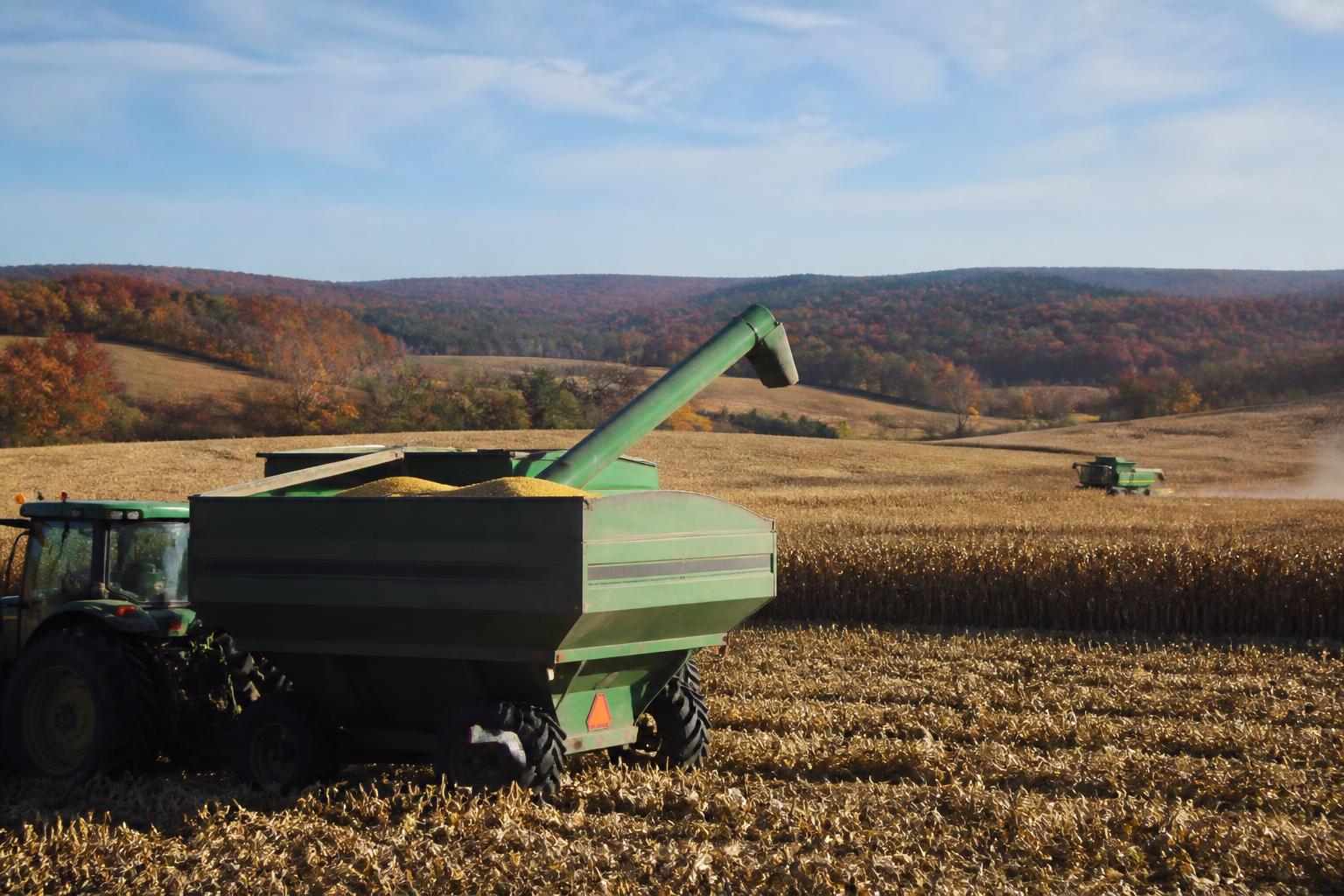
Navigating the Current Harvest Landscape
As Virginia moves through the fall harvest, producers are once again evaluating the balance between yield performance and the realities of modern ag-logistics. Recent fluctuations in the production cycle have underscored the necessity of robust risk management strategies, particularly for those operating in the Commonwealth's primary grain-producing corridors. Efficiently managing the flow of commodities from the field to the elevator remains a top priority for farmers across the state.
Infrastructure and Logistical Fluidity
Local logistics continue to serve as the backbone of the regional economy. Whether moving product toward coastal export hubs or local processing facilities, the coordination required during peak harvest months can be intense. Establishing reliable, long-term plans for storage and transit is critical to mitigating the bottlenecks often seen in agricultural corridors. For many producers, this includes a renewed focus on streamlining harvest logistics to ensure that capacity issues do not derail potential market gains.
Adapting to Market Shifts
The agricultural sector in Virginia is not immune to the broader trends shaping national production. Innovation and the adoption of new varietal technologies are providing some producers with tools to enhance resilience against localized environmental pressures. As agribusinesses analyze their seasonal performance, integrating data-driven insights with traditional field experience can help refine operational goals. For a deeper understanding of how these shifts impact long-term outlooks, producers are increasingly looking at modern crop resilience to prepare for future cycles.
What it means for the market
For Virginia agribusinesses, this period of the year demands a focus on operational discipline. While broader economic factors and external market pressures remain outside of local control, the ability to optimize storage and transportation logistics provides a clear competitive advantage. By prioritizing consistent risk assessment and staying informed on local infrastructure capacity, producers can better position themselves to navigate the complexities of this season and beyond.
Comments
No comments yet - be the first to share your take.