
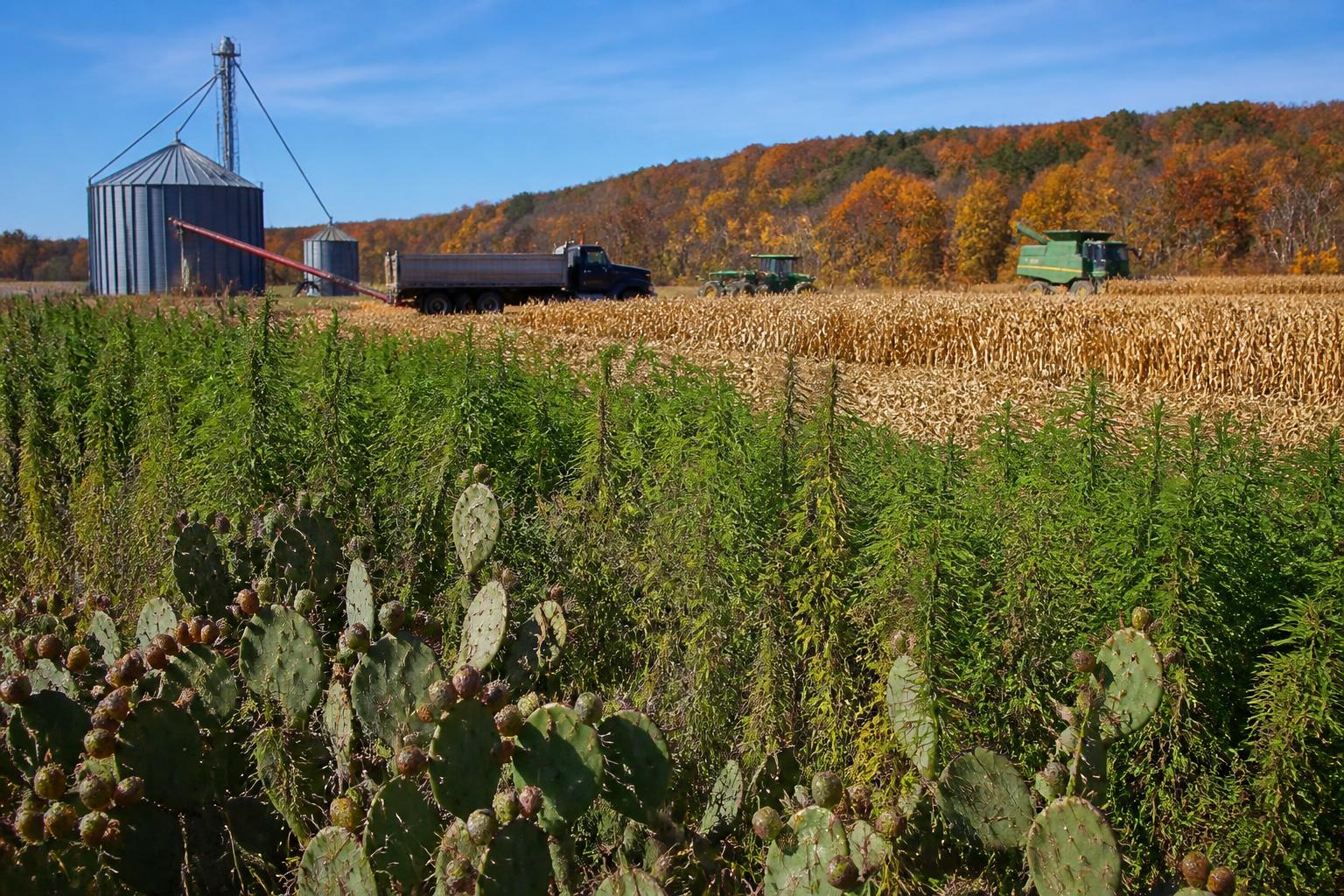
As the Nevada agricultural season moves deeper into fall, producers across the state are recalibrating their field management priorities. With harvest windows closing and the transition toward winter preparations underway, the focus has shifted toward balancing essential crop protection needs with the long-term stewardship of regional resources.
For many growers, managing soil integrity and pest pressure remains a top priority even as temperatures begin to moderate. The integration of sustainable soil health practices is increasingly becoming a standard component of regional operations, helping to improve water retention and provide natural buffers against crop stress during the drier months.
Adapting to Regional Realities
Nevada producers often find themselves navigating complex pressures related to both output and input management. Whether working in the Pahrump Valley or other specialized farming corridors, keeping a close watch on regional input efficiency can determine the difference between a successful season and a strained one. Recent efforts to bolster agricultural resilience through precise management remain vital for maintaining local competitiveness.
Furthermore, staying informed about emerging pest trends is essential during this transitionary phase. Timely reporting and field scouting are critical tools that allow for proactive protection rather than reactive treatment, ensuring that inputs are utilized only where they are most effective.
What it means for the market
The current market environment in Nevada rewards producers who prioritize resource efficiency and adaptive management. By aligning field activities with regional water availability and implementing conservation-minded protection strategies, farmers can better shield their bottom lines from the volatility inherent in modern agriculture. Staying disciplined with input applications and focusing on long-term soil productivity will likely remain the most reliable path for regional stability through the remainder of the year.
Comments
No comments yet - be the first to share your take.