
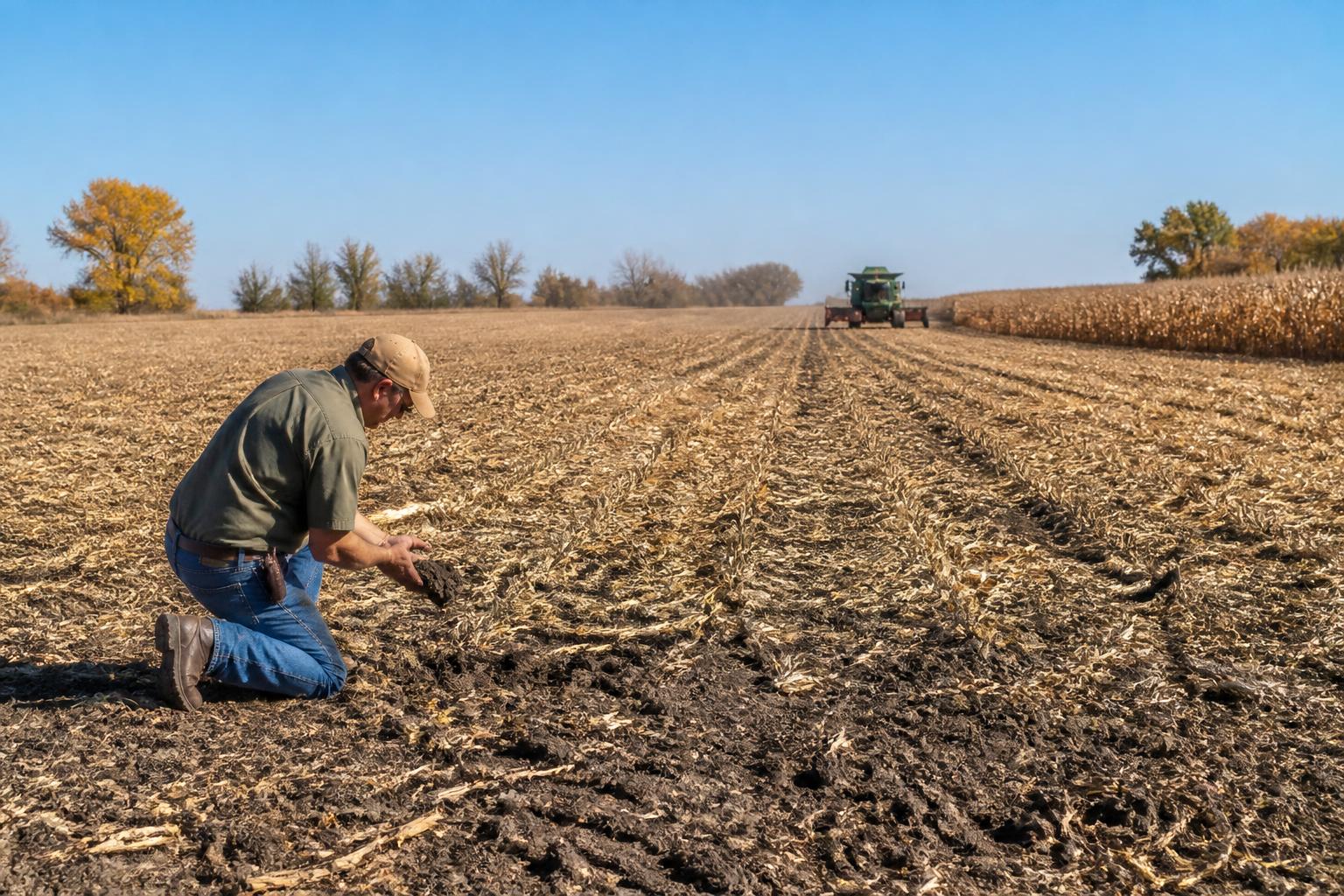
As Texas growers navigate the current fall season, the conversation in local elevator offices and equipment dealerships has shifted toward the bottom line. Producers are increasingly wary of a significant surge in fertilizer prices that threatens to tighten margins for the upcoming production cycle. For many in the Lone Star State, these cost increases are not just a seasonal fluctuation but a hurdle that complicates planting decisions for the months ahead.
The Impact of Fertilizer Market Volatility
The recent climb in fertilizer costs comes at a challenging time for regional agriculture. Beyond the basic supply-and-demand dynamics, producers are keeping a close eye on federal countervailing duties on certain phosphorus products. These policy-driven costs often trickle down to the farm level, effectively increasing the overhead for corn and sorghum growers who depend on reliable nutrient application. Managing grain input costs is becoming a critical component of risk management for Texas farm businesses.
Weather, Trade, and Logistics
Texas producers are no strangers to unpredictable conditions, and this year is no exception. Nationwide reports of weather shocks, including alternating heat and frost, have created an environment of uncertainty that extends into the Texas logistics chain. When weather events disrupt supply routes or impact crop quality at the port, the ripple effects are felt across the state's agricultural corridors, from the Panhandle down to the Gulf Coast facilities.
What it means for the market
For the Texas agribusiness sector, the combination of elevated fertilizer prices and trade-related duties signals a need for tightened operational efficiency. As producers look to lock in input supplies for next season, transparency in pricing and securing logistics ahead of time will be paramount. With margins under pressure, the ability to anticipate and react to these broader market headwinds may differentiate a profitable season from a difficult one.
Comments
No comments yet - be the first to share your take.