
As the fall season progresses across Arizona, the state's agricultural sector is navigating a period of significant operational adjustment. From the high-desert corridors of northern Arizona to the expansive growing regions in the southern valleys, farmers and handlers are recalibrating their logistics strategies to meet changing market demands. Efficiency in transport remains a top priority, particularly as regional infrastructure undergoes various stages of modernization and consolidation.
Infrastructure and Logistical Resilience
For many Arizona agribusinesses, the ability to manage the movement of goods effectively is closely tied to the state's evolving storage and processing capacity. As recent industry shifts have shown, such as the recent consolidation in warehouse management, stakeholders are increasingly looking toward larger, more integrated facilities to streamline the flow of commodities. These moves often aim to reduce transit friction and improve the reliability of shipments as they move toward major distribution hubs.
Labor and regulatory compliance continue to be central watchpoints for carriers and shippers alike. Maintaining adherence to safety and operational standards during this time of high activity is critical for preventing unnecessary delays at weigh stations and transit terminals. Proactive planning for seasonal labor and logistics compliance is helping many operations maintain steady throughput, despite the broader volatility often seen in the agricultural transport sector.
Technology as a Strategic Lever
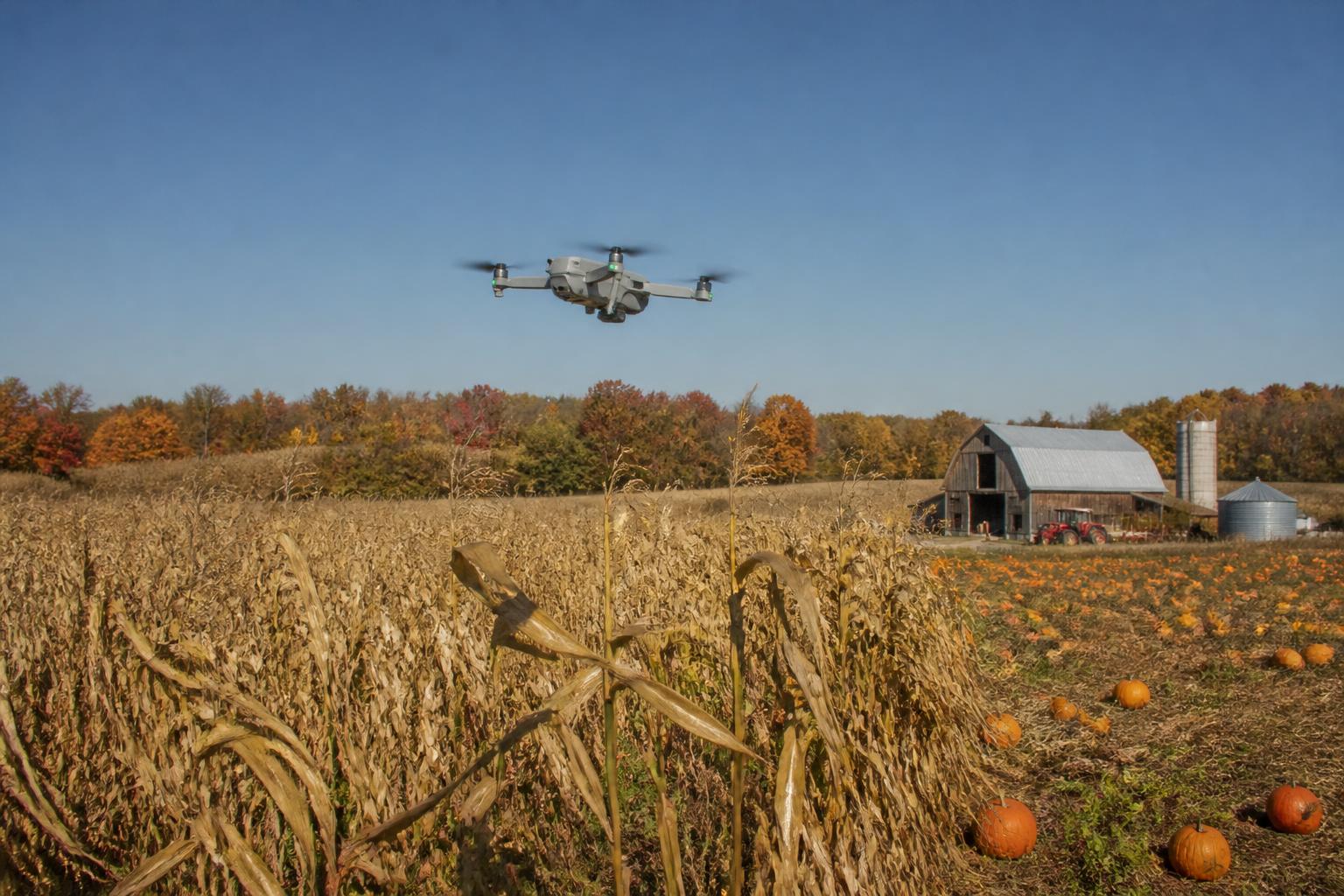
Investment in technology continues to influence how Arizona growers and handlers manage their assets. Beyond traditional farm-level machinery, there is a growing emphasis on precision-based tools that extend into the logistics chain. Autonomous technologies and drone-based systems are increasingly viewed not just as field assets, but as components of a larger strategy to optimize resource management and monitor crop progress during critical transition phases.
Furthermore, as market participants keep a close eye on input costs and commodity price movements, the integration of data-driven decision-making is becoming standard practice. For those managing grain or forage storage, keeping track of how seasonal and operational constraints affect local pricing is essential for staying competitive in a global marketplace.
What it means for the market
For the Arizona agribusiness community, the current landscape suggests that flexibility is the key to maintaining margins. While global supply chain pressures persist, the focus for local operators remains on regional connectivity and infrastructure efficiency. By prioritizing stable transport partnerships and staying informed on local storage trends, producers and shippers can better insulate themselves from the periodic shocks that often disrupt the broader agricultural economy during the fall months.
Comments
No comments yet - be the first to share your take.