
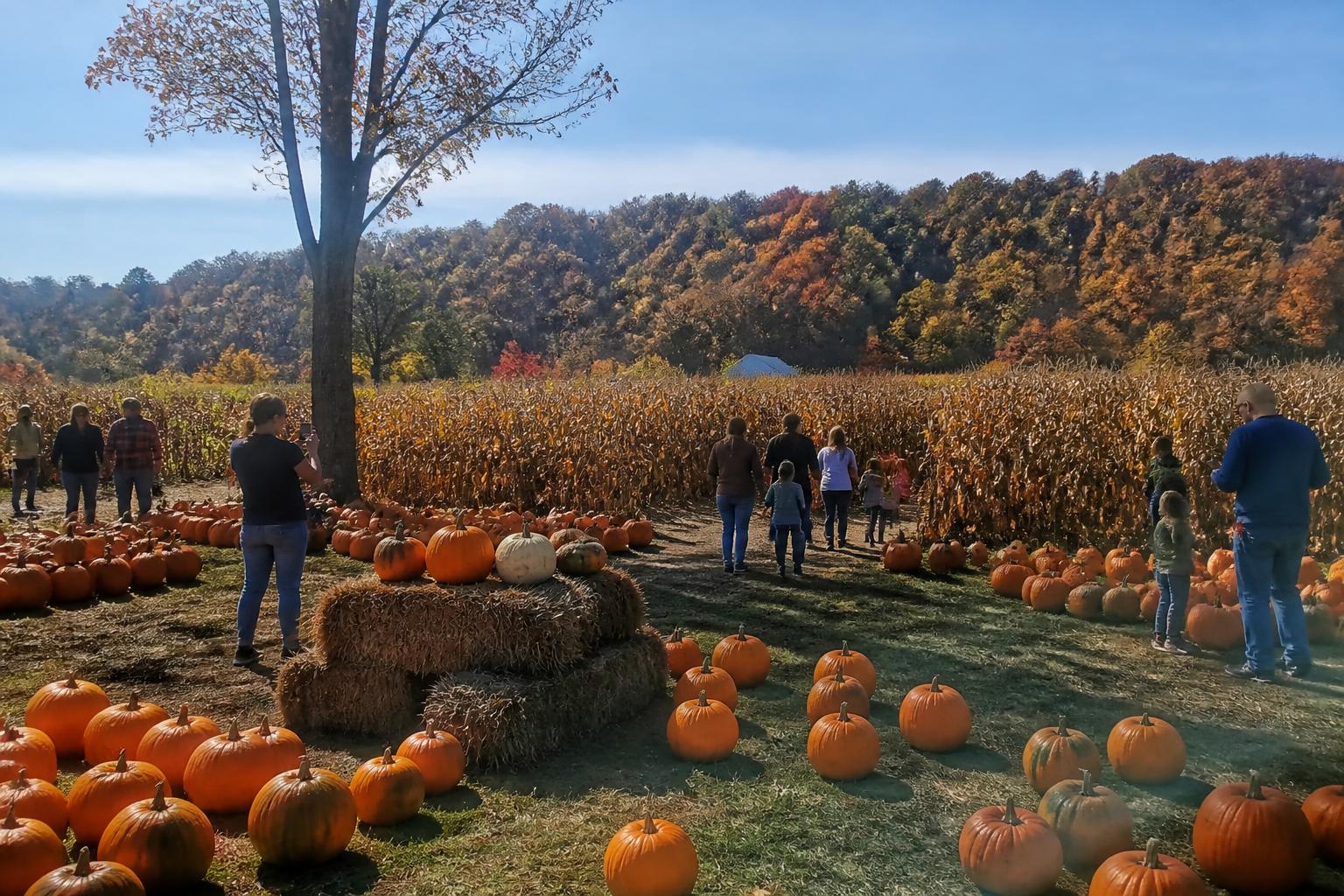
As the fall season reaches its midpoint in West Virginia, producers are actively navigating the complexities of harvest logistics. With fields across the state transitioning into the peak of the season, farmers are focusing on efficient crop movement and storage management. Maintaining reliable access to rural infrastructure remains a top priority, especially as traffic patterns shift to accommodate the movement of equipment and yield from local fields to regional elevators.
Infrastructure and Logistical Considerations
For many agribusinesses in the region, the current landscape requires ongoing vigilance regarding transport constraints. Producers often find that monitoring local infrastructure and land access is essential to minimizing downtime during this busy window. As harvest progresses, coordination between carriers and grain handlers becomes vital to ensure that regional bottlenecks do not impede the flow of commodities to the marketplace.
Maximizing Operational Efficiency
Market volatility and shifting production conditions often place extra pressure on farm-level decision-making. Producers are encouraged to keep a close watch on potential infrastructure resilience and field access issues, as unexpected road weight restrictions or site access delays can disrupt tightly managed schedules. By anticipating these logistics hurdles, agribusinesses can better align their transport capacity with harvest timelines.
Key Takeaways
- Prioritize early-season maintenance of site access routes to prevent mid-harvest bottlenecks.
- Maintain communication with local carriers regarding road weight limits and seasonal infrastructure concerns.
- Monitor regional market indicators to time deliveries effectively against storage capacity constraints.
What it means for the market: For West Virginia producers, the focus remains on operational agility. Successfully managing the interface between field-level harvest activities and broader logistical chains will be the deciding factor in maintaining margins during this period of intense market activity.
Comments
No comments yet - be the first to share your take.