
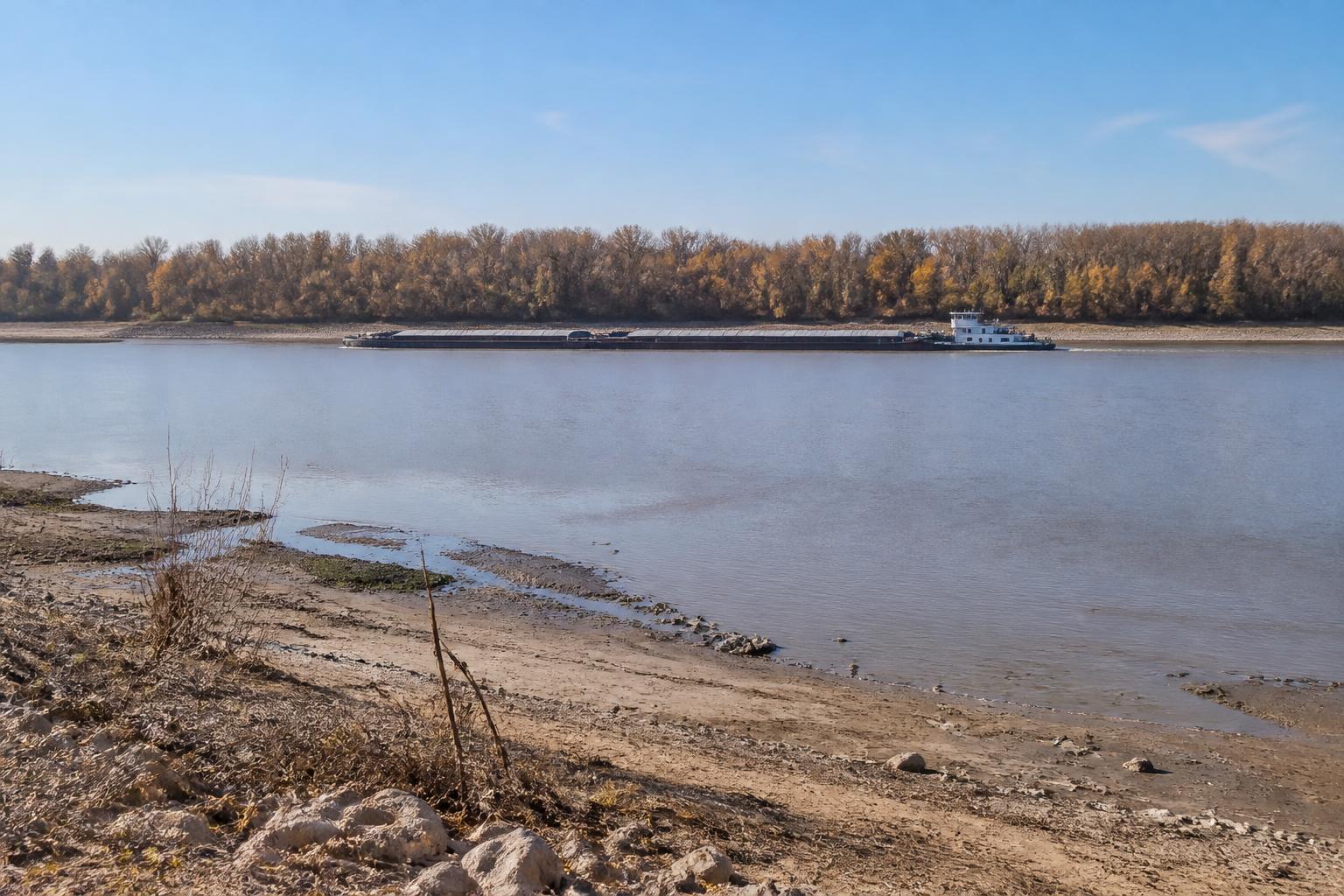
As harvest gains momentum across Mississippi, producers are confronting a familiar late-season hurdle: receding water levels on the Mississippi River. These ongoing hydrological fluctuations are creating a ripple effect in local market dynamics, directly impacting the basis levels that farmers rely on when making sale decisions.
The current decline in river levels often necessitates more careful navigation for grain shipments moving toward the Gulf. When transit becomes slower or requires lighter barge loads, the costs associated with moving grain can fluctuate, which frequently translates to weaker basis at local elevators and grain handling facilities throughout the Delta. Producers currently assessing their marketing strategy should prioritize monitoring these local basis shifts closely, as logistical bottlenecks often persist well into the peak harvest window.
Adapting to Logistical Shifts
With the Mississippi River presenting ongoing capacity challenges, some regional grain handlers are exploring alternative transport routes. The industry trend toward shifting volume to northern transit points, including the Great Lakes, is a response to the volatility seen on the river. For Mississippi growers, this highlights the importance of staying informed on Mississippi harvest logistics and potential crop quality considerations during extended storage periods.
Furthermore, managing your field protection strategies is equally vital while you wait for favorable market conditions. Ensuring that your stored assets remain secure from late-season pests and environmental stressors is essential when movement is stalled. Growers might benefit from reviewing current field protection and resource management outlooks to mitigate potential losses during these logistics-heavy weeks.
What it means for the market
The convergence of reduced river depth and global market volatility is creating a cautious environment for Mississippi agribusinesses. Farmers should expect basis to remain sensitive to river conditions through the remainder of the harvest. Relying on diverse storage and marketing options, rather than solely on immediate river-based delivery, may be a prudent approach to managing risk until water levels stabilize or the seasonal surge in movement abates.
Comments
No comments yet - be the first to share your take.