
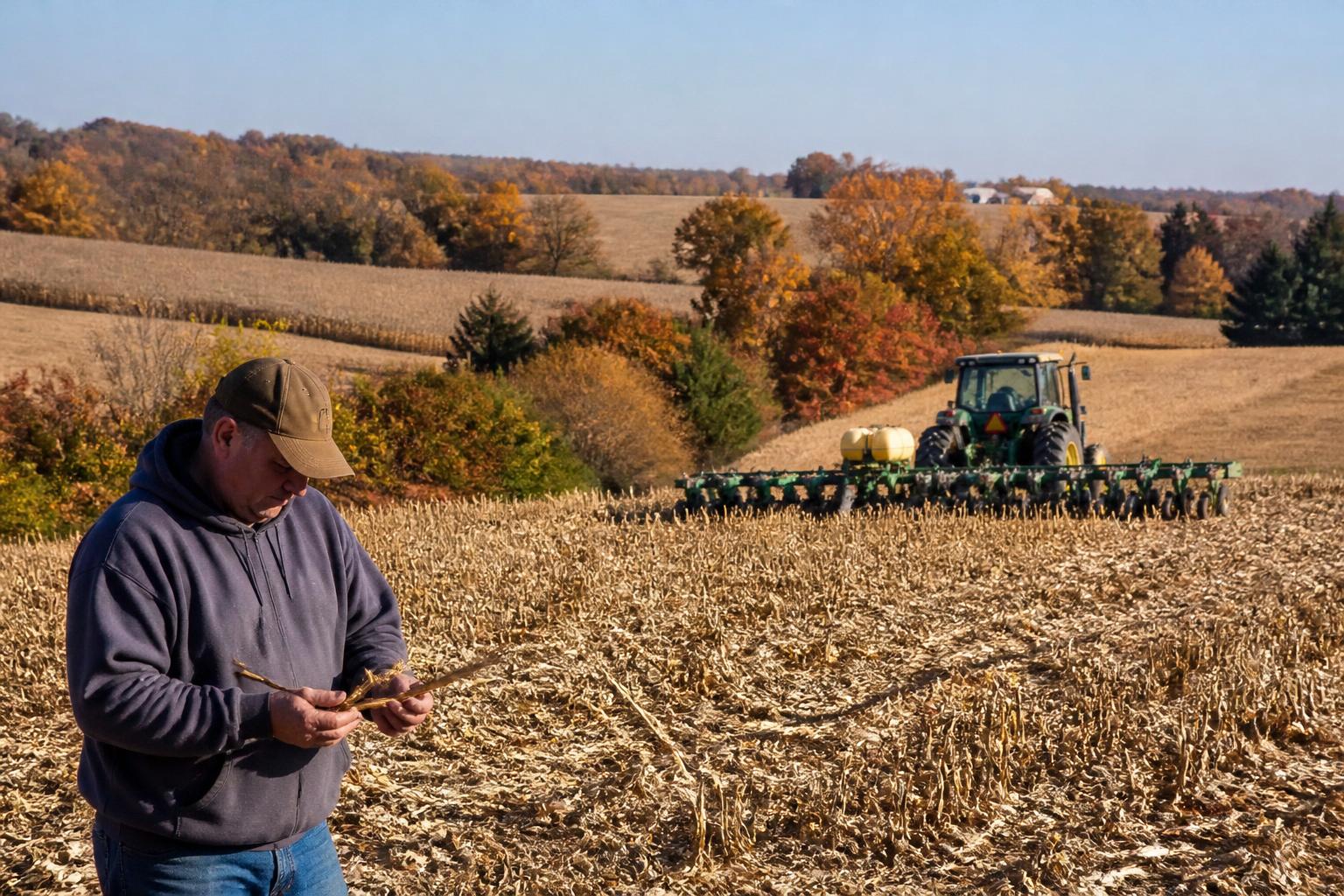
As the 2026 harvest season moves through its peak, Illinois producers are navigating a complex environment defined by both logistical hurdles and regional economic pressures. While crews across the state work to bring in the crop, the convergence of field conditions and ongoing distribution challenges remains a primary focus for local elevators and transport operators.
For those managing the flow of grain from the field to regional hubs, maintaining efficiency is critical. Many producers are contending with the realities of navigating volatile market conditions while ensuring that transportation infrastructure can handle the pace of current operations. Staying informed on shifting transportation costs and harvest bottlenecks is essential for agribusinesses looking to mitigate potential delays in the coming weeks.
Adapting to Seasonal Infrastructure Demands
The state's agricultural backbone relies heavily on a coordinated effort between river ports, rail, and trucking. Recent developments, such as the designation of the Corn Belt Ports Consortium as a center of excellence, highlight the ongoing importance of maritime workforce development in stabilizing regional export pathways. However, local logistical networks often experience localized strain during high-volume periods, requiring close communication between farm managers and local shipping partners.
Economic and Field Challenges
Beyond the logistical scope, uncertainty regarding 2026 production margins remains a point of conversation. Whether it involves managing regional debt levels or adjusting to fluctuations in input expenses, farmers are adopting a cautious approach to operations. The intersection of weather-impacted yields and global market sensitivity continues to influence decision-making across Illinois, necessitating a flexible approach to both storage and marketing strategies.
What it means for the market
The 2026 harvest reflects a period of significant transition for Illinois agriculture. With logistics and market volatility remaining top-of-mind, operators should prioritize maintaining open lines of communication with grain handlers and carriers. As the season progresses, the ability to pivot based on real-time infrastructure capacity will be a defining factor in successfully navigating the current market climate.
Comments
No comments yet - be the first to share your take.