
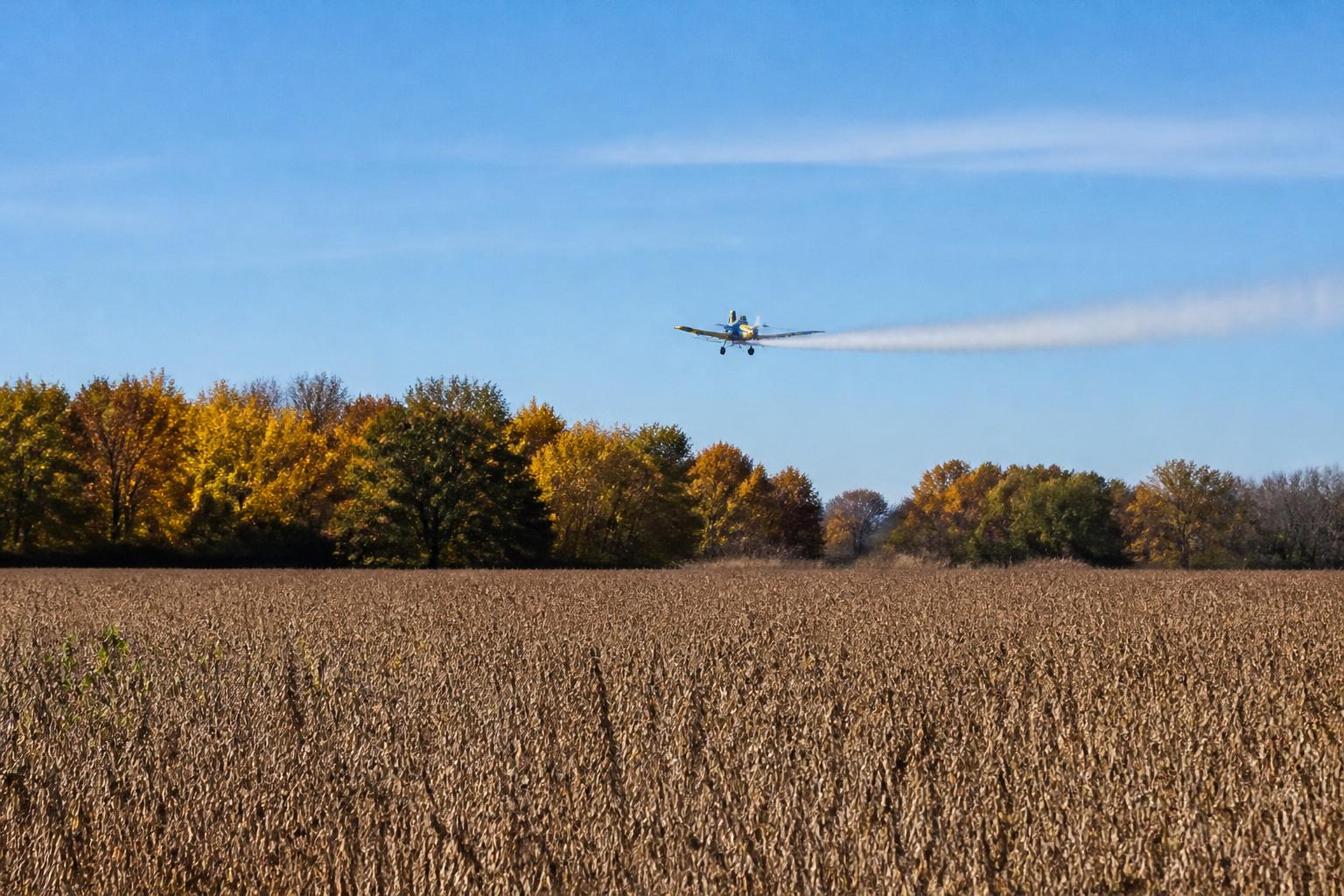
Harvest activity across Illinois is currently in full swing, bringing the usual logistical intensity to rural roads and major freight corridors. For farmers and elevator operators, this window of time is critical for balancing crop movement against shifting transportation overhead. While some reports indicate that overall agricultural transportation costs may have eased slightly compared to previous periods, lingering volatility remains a central challenge for those moving grain to terminals along the Illinois River and beyond.
Managing Fuel and Operational Inputs
As field work reaches its seasonal peak, the cost of diesel remains a focal point for bottom-line stability. Fluctuations in fuel prices directly impact the margins for transport and custom application, particularly as producers balance on-farm logistics with the demands of the current market. With harvest progress often dictated by weather windows, maintaining an efficient supply chain is paramount for keeping the combine moving.
The Role of Infrastructure and Trade
The Illinois River continues to serve as a primary artery for agricultural trade, linking local production to broader markets. However, the reliance on these transit routes means that any disruptions in barge availability or truck capacity can ripple through the entire supply chain. As agricultural state lawmakers continue to monitor trade developments and international market uncertainty, Illinois producers are encouraged to keep a close watch on regional logistics hubs and storage capacity to mitigate the impact of sudden cost shifts.
What it means for the market
For agribusinesses and logistics providers, the coming weeks require a disciplined approach to inventory and freight management. As the harvest matures, the priority is to maintain fluid movement from field to elevator. Monitoring regional fuel price trends and leveraging established local transport partnerships can help shield operations from the volatility that often accompanies peak shipping volumes.
Comments
No comments yet - be the first to share your take.