
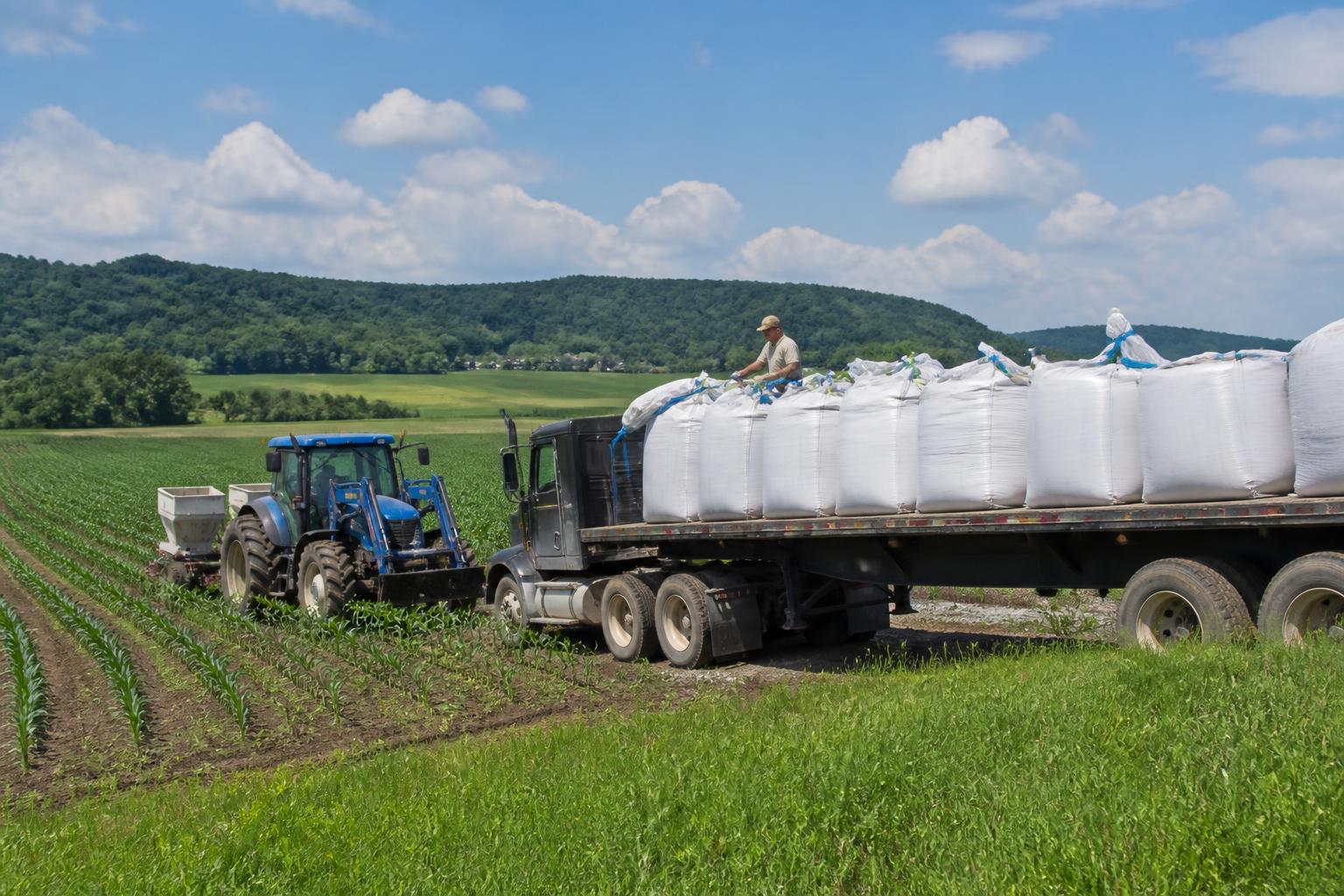
As West Virginia farmers navigate the peak of the summer season in June 2026, a dry weather pattern is shifting management priorities across the Mountain State. With the USDA recently designating seven West Virginia counties as official drought areas, local grain handlers, livestock producers, and forage growers are facing an increasingly tight feed and pasture outlook. Balancing local production with reliable out-of-state logistics is critical to keeping regional herds fed through the dry summer months.
Managing Drought Stress and Feed Safety
The intensifying dry spell has raised serious concerns about both forage quantity and quality across West Virginia. When pasture grasses and small-grain crops experience severe dry-weather stress, they can accumulate toxic nitrate levels. Livestock experts warn that feeding drought-stressed forage or hay without testing can lead to significant herd health issues. Because of this, testing pastures and stored feed is highly recommended before feeding this summer.
Given the state's rugged topography, importing supplemental grains and hay is becoming a necessity for many operations. As discussed in our guide on West Virginia ag transport and summer forage shifts, keeping feed moving efficiently across county lines is critical when local pastures fail to deliver the required tonnage.
Topography and Regional Input Logistics
West Virginia's unique landscape heavily influences how farmers manage inputs. WVU extension experts have noted that the state's steep terrain, rugged topography, and smaller average farm sizes are primary reasons why West Virginia has some of the lowest shares of certified organic farmland in the country. Instead, most local producers rely on conventional livestock, forage, and small-grain systems that require precise nutrient management to remain viable.
To ensure these conventional crops and pastures receive necessary inputs despite regional supply chain bottlenecks, transport relief has arrived. The Federal Motor Carrier Safety Administration (FMCSA) has granted hours-of-service waivers for truck drivers hauling farm fertilizer to address delivery shortages. Implementing strategic nutrient applications like those outlined in West Virginia pasture nutrient management and input cost strategies can protect forage yields and boost grain protein content even under harsh summer conditions.
Key Takeaways for West Virginia Producers
- Test Feed Early: Ensure all drought-stressed hay, sorghum-sudangrass, and small-grain forage are tested for toxic nitrate levels before feeding to livestock.
- Secure Transport Capacity: Utilize regional transportation waivers to secure fertilizer and feed shipments before mid-summer shipping bottlenecks peak.
- Plan for Feed Shortages: Evaluate supplemental grain and commercial feed needs early to counter local pasture shortfalls and potential grazing restrictions in drought-designated counties.
What it means for the market
For West Virginia agribusinesses and grain buyers, the combination of regional drought designations and rugged geography will likely keep local feed and forage prices firm through the remainder of the summer. Producers who secure supplemental grain contracts early and verify the safety of their local forage supplies will be best positioned to weather the dry seasonal stretch and protect their livestock margins.
Comments
No comments yet - be the first to share your take.