
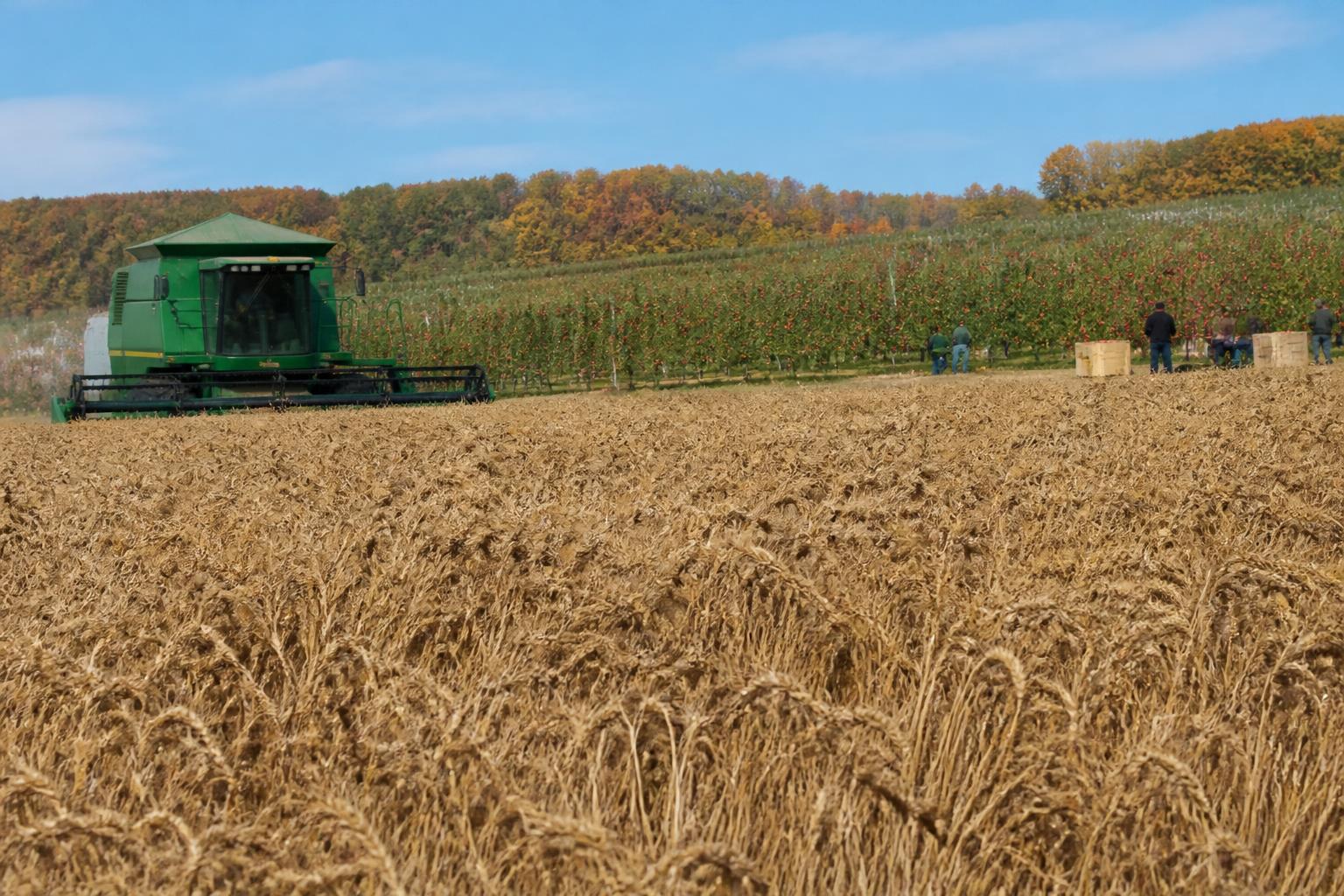
As the fall harvest progresses across Maine, agricultural operators are navigating a season marked by both operational challenges and long-term infrastructure investment. With recent federal support targeting regional processing capacity, there is a growing emphasis on enhancing the local supply chain for small grains and specialty crops. This development is crucial as growers look to improve soil health and diversify rotations, a strategy that many in the industry believe can bolster overall farm profitability.
For those managing grain movement, the current window requires careful attention to logistics and storage capacity. As harvest activities intensify, maintaining efficient throughput remains a primary concern for elevators and on-farm storage facilities alike. Producers are closely monitoring the impacts of regional climate variability and market pressures, which continue to influence planning for the upcoming cycle.
Building Resilience Through Regional Processing
Recent federal grants, such as those directed toward facilities in midcoast regions like Waldoboro, signal a shift toward localized processing. This investment is expected to provide Maine farmers with better avenues to market their grains and produce closer to home, potentially reducing the logistical burden of long-haul transport. For farmers, this represents a significant opportunity to scale operations and improve the viability of crop rotation models.
Integrating small grains into existing farming operations is becoming a recognized pathway for improving soil quality. Many producers are finding that such rotations help manage seasonal risks more effectively while providing a buffer against the volatility observed in broader commodity markets. You can learn more about navigating these operational shifts as the season concludes.
Strategic Planning in a Changing Market
While the focus remains on the immediate harvest, producers are also evaluating their position within the wider U.S. agricultural landscape. Concerns regarding input costs and the potential for tariff-related price fluctuations continue to dominate discussions among local agribusinesses. Maintaining liquidity and securing reliable outlets for this season's yield are essential steps in protecting thin margins.
To stay competitive, many Maine producers are leveraging resources designed to enhance climate resilience. Understanding how to manage these emerging risks is a top priority for growers looking to sustain their operations. Additional insights on how to strengthen your farm's resilience can help in navigating the complex regulatory environment that often accompanies infrastructure and conservation efforts.
What it means for the market
For Maine's grain handlers and farmers, this fall serves as a bridge between immediate harvest demands and future capacity improvements. While global market shifts and trade policy create a backdrop of uncertainty, the localized movement toward enhanced processing and sustainable rotation practices provides a clearer path for regional growth. Growers who utilize established local grain market networks will likely be better positioned to manage the current supply-demand balance effectively.
Comments
No comments yet - be the first to share your take.