
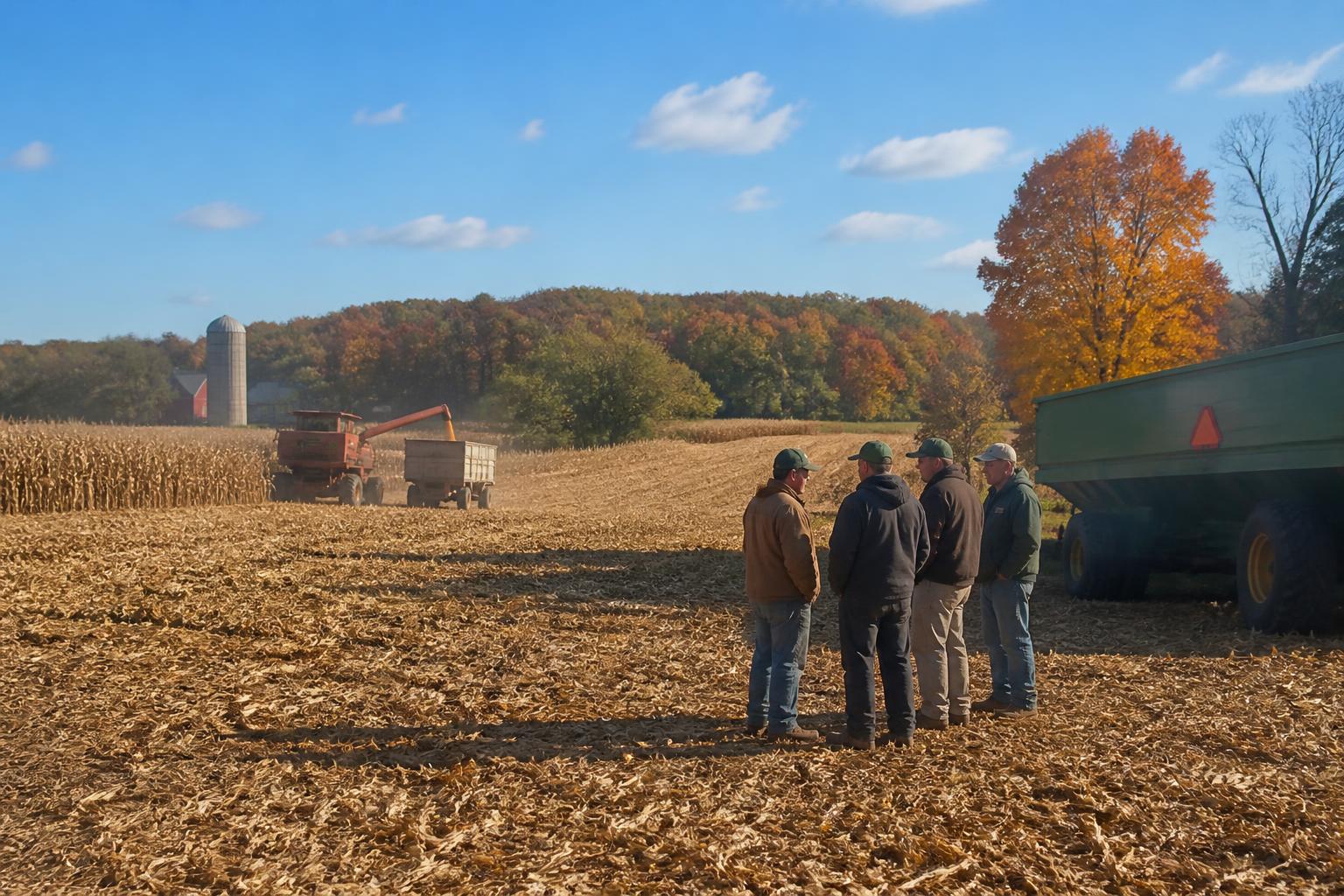
As Kentucky producers navigate the height of the fall harvest, recent developments in state-level agricultural support are providing a timely boost to infrastructure and farm-gate operations. The Kentucky Agricultural Finance Corp. has moved forward with significant funding allocations intended to facilitate farm investments, a move that often helps local operations address critical capital needs during this high-demand period.
Capitalizing on Infrastructure and Growth
Securing stable, modern infrastructure remains a priority for many Kentucky farmers, especially as they manage the seasonal pressure of getting crops from fields to elevators. Targeted investments, such as those recently authorized, are essential for maintaining the efficiency of local supply chains. For those working within the logistics sector, these capital improvements can often mean smoother transitions and more reliable access to storage and transport networks, which are crucial as we move further into the complexities of October throughput.
Expanding Production Opportunities
Beyond physical infrastructure, there is a growing interest in diversifying production techniques within the state. University-led initiatives, including upcoming workshops focused on organic corn production, are offering producers new insights into market-driven alternatives. For Kentucky agribusinesses, adapting to these changing production cycles may provide long-term resilience, allowing farmers to explore higher-value crops and specialized markets that complement traditional row-crop operations.
Advocacy and Community Stability
The role of agricultural support extends into the broader community, with ongoing discussions regarding federal aid for food banks. These conversations underscore the interconnectedness of local food systems and the necessity of stable logistics to ensure that agricultural output effectively serves both commercial markets and regional food security needs. Maintaining these systems requires consistent coordination between growers, distributors, and support agencies.
What it means for the market
The combination of new capital investment and a focus on niche crop development indicates a proactive approach to Kentucky's agricultural health. For grain handlers and transport providers, these investments may alleviate some of the recurring capacity constraints typical of the harvest season. Monitoring how these funds translate into tangible facility upgrades will be a key indicator of regional competitiveness for the coming year.
Comments
No comments yet - be the first to share your take.