
Strategic Shifts in Input Management
As the fall season progresses, Florida's agricultural community continues to focus on optimizing input efficiency to sustain high-value production. A notable development in the sector is the partnership between the Fertilizer Show and a Florida-based research facility, aimed at advancing data-driven approaches to soil nutrition. For producers, this means a closer look at how localized research can refine application schedules, potentially helping to manage costs and environmental impact as they prepare fields for the upcoming winter cycles.
Refining these logistics is critical, as managing Florida logistics and input readiness as fall season progresses remains a priority for growers navigating the state's unique climate variables. By leveraging localized research, agribusinesses can better align their resource allocation with the current moisture and nutrient profiles of the soil.
Diversification Efforts in Northern Regions
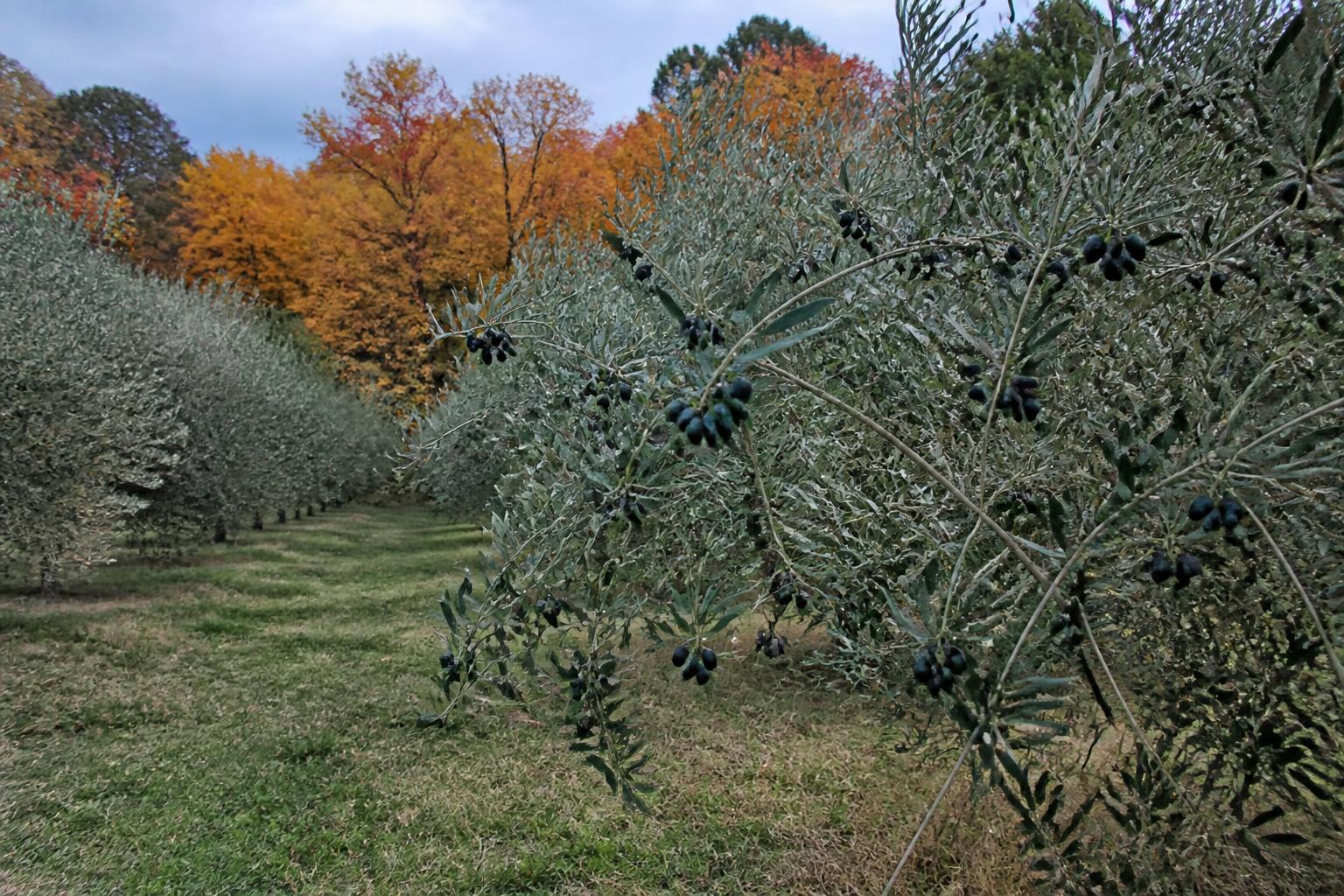
In the northern reaches of Florida, growers are keeping a close watch on emerging trials regarding commercial olive production. Early results from these regional tests suggest potential shifts in land use patterns, though the viability of these orchards under Florida's specific humidity and pest pressures remains a topic of active investigation. Diversification into perennial crops like olives may eventually change local infrastructure requirements, such as harvesting equipment and specialized storage needs.
Understanding the broader context of Florida ag trade and policy climate and navigating seasonal market pressures is essential for farmers considering these long-term crop transitions. As test plots continue to mature, the data gathered will be vital for determining whether these crops can provide a stable alternative to traditional regional staples.
Key Takeaways for Producers
- Input Efficiency: Prioritize localized fertilizer research to optimize yield per acre this season.
- Crop Trials: Monitor updates from ongoing northern Florida olive research to evaluate long-term diversification risks.
- Operational Readiness: Stay agile in logistics management to mitigate the effects of the state's variable weather patterns on input delivery.
What it means for the market
For the Florida agricultural market, the current focus is on resiliency and adaptation. Whether through the adoption of precision-minded fertilizer practices or the cautious exploration of new commercial crops, the goal is to improve the bottom line in an increasingly complex operating environment. Producers who stay connected to local research findings and maintain flexible logistical planning will be best positioned to handle the seasonal shifts typical of this time of year.
Comments
No comments yet - be the first to share your take.