
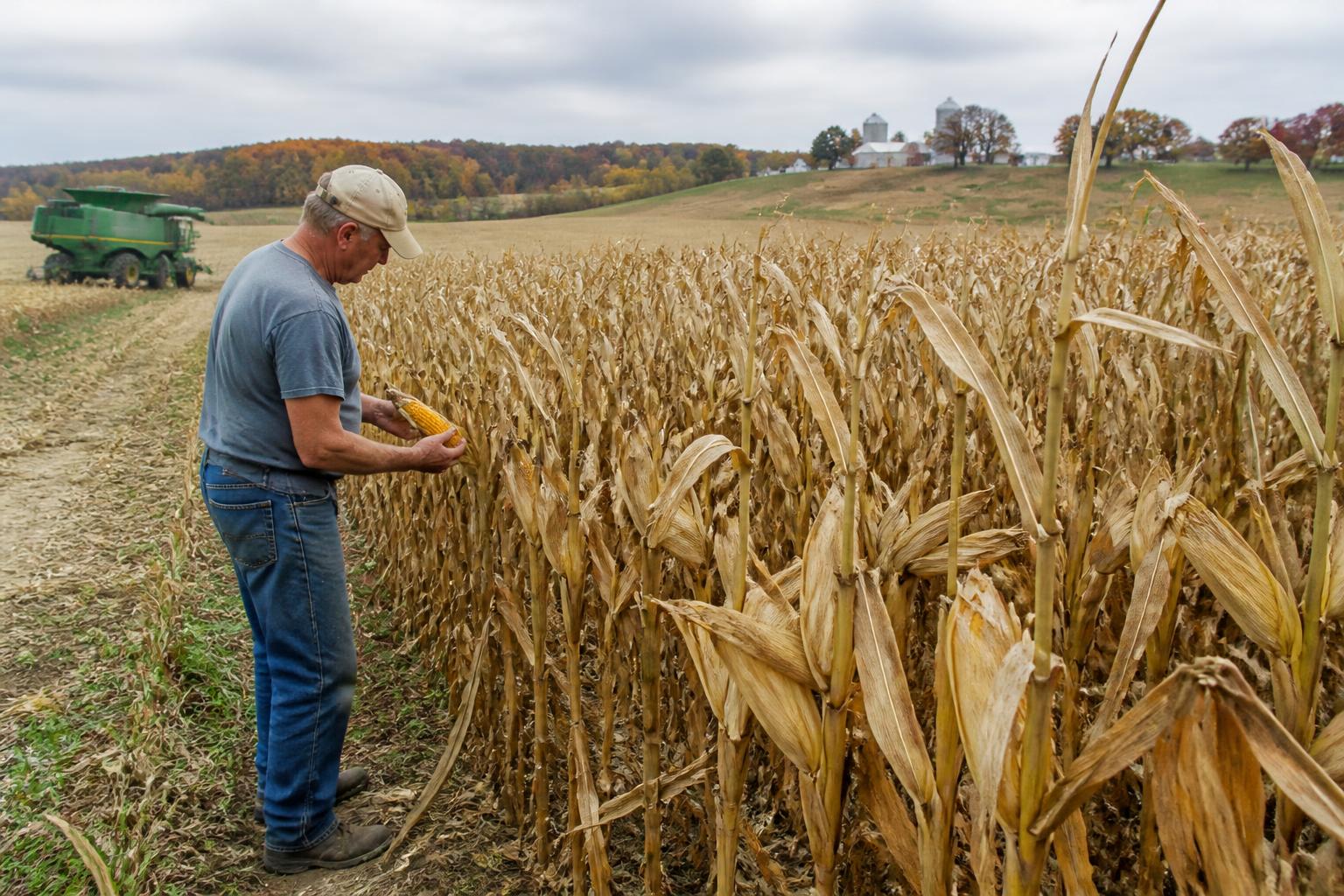
The Indiana harvest season is currently in full swing, bringing with it the familiar rhythm of heavy machinery on rural roads and a push to move grain to local storage. However, this year presents a complex logistical environment for producers, who are balancing field productivity with rising operational costs.
With fuel prices remaining a significant factor in the bottom line, many growers are closely monitoring how to manage input expenses. Recent policy discussions, including legislative efforts to address dyed diesel costs, highlight the ongoing strain on farm profitability. While some relief measures have been introduced to support operations during this critical window, producers remain cautious about maintaining margins amid these persistent economic headwinds. Understanding local basis trends and logistics has become a vital component of successful farm management as the window for efficient crop movement narrows.
Managing Field-to-Market Efficiency
Logistics in Indiana often depend on the ability to move products seamlessly from remote acreage to regional processing hubs. As fields are cleared, the reliance on reliable transport routes—and the secondary roads that connect them to major highways—increases. Effective resource management is essential during these weeks, as equipment downtime due to fuel supply delays or maintenance issues can ripple through the entire operation.
Adapting to Economic Realities
Beyond the immediate logistical challenges, the broader financial landscape continues to influence decision-making. Producers are increasingly turning to organizational structures, such as various forms of LLCs, to better manage risk and provide structure to their growing operations. This proactive approach to farm management, combined with a sharper focus on efficient harvest logistics, is helping some Indiana farmers navigate the current market volatility.
What it means for the market: The combination of fuel cost pressures and the need for efficient grain movement suggests that producers who prioritize early planning and leverage local logistics networks will be better positioned to handle the seasonal peak. Monitoring regional policy updates and keeping a close eye on transport efficiency will remain key for those looking to protect their margins through the remainder of the season.
Comments
No comments yet - be the first to share your take.