
Biosecurity on the Ground: Protecting Delaware's Broiler Flocks
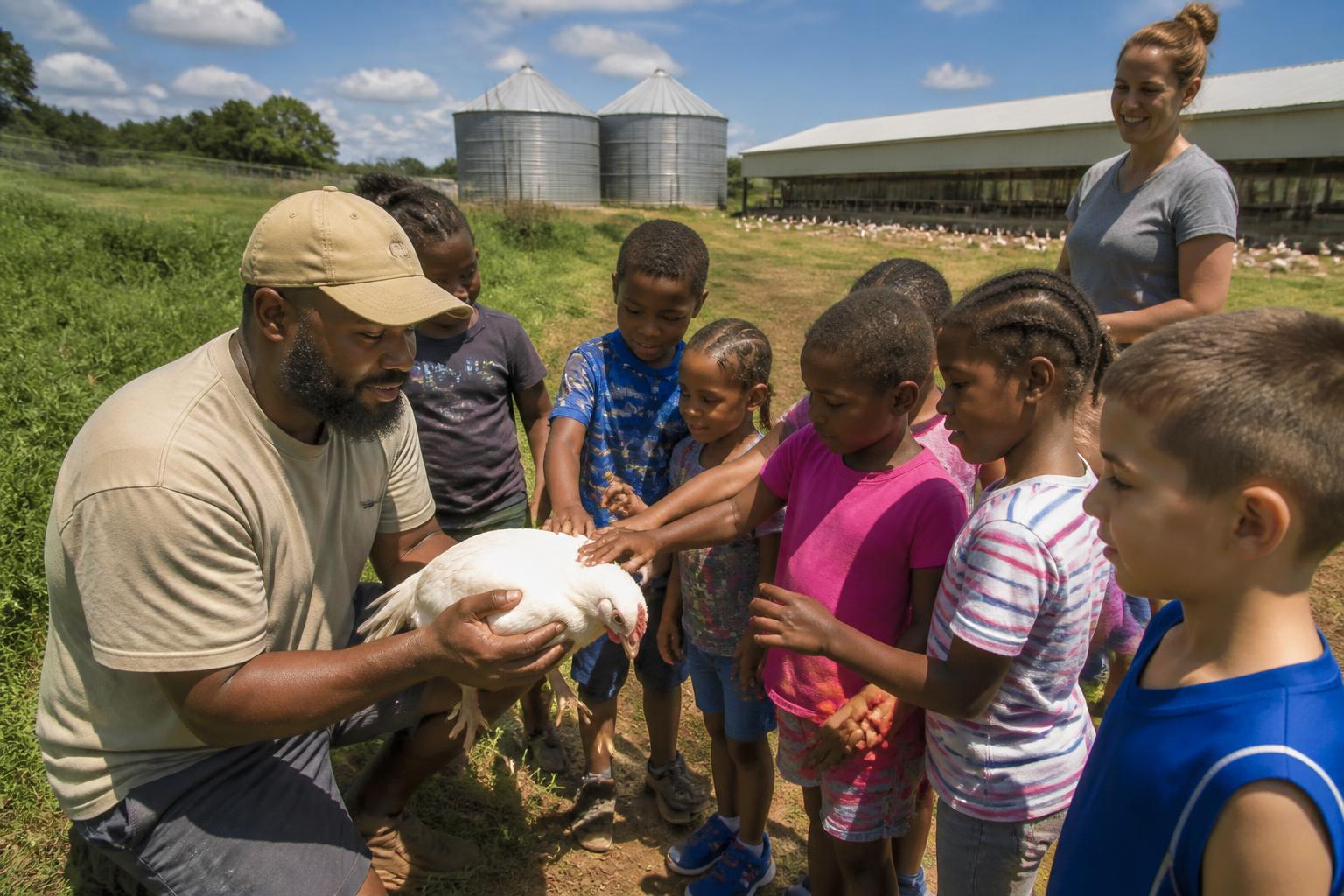
Delaware is home to a highly concentrated poultry industry, where both organic broilers and conventional commercial flocks require continuous biosecurity vigilance. Protecting these birds from external pathogens often starts with simple, everyday operational habits. Industry experts emphasize that introducing devastating diseases into a clean poultry house can frequently be prevented by wearing dedicated footwear or utilizing proper shoe covers.
Since pathogens can easily hitch a ride on boots worn across different areas of a farm, keeping clean, flock-specific shoes at the entrance of each poultry house is a vital, low-cost line of defense. This simple barrier helps prevent the transmission of microscopic threats that could otherwise compromise an entire flock's health and market viability.
Clean Slates: Funding for Poultry House Removal
To further enhance regional biosecurity and environmental safety, Delaware producers are taking advantage of targeted program funding designed to remove old, inactive poultry houses. Unused or structurally compromised poultry buildings can become hazardous, often serving as harbors for rodents, wild birds, and other disease-carrying pests.
Removing these obsolete facilities not only improves the overall biosecurity profile of active farming operations but also allows landowners to reclaim valuable acreage for crop production or alternative agricultural uses. Clearing out old structures is an effective way to minimize pest pressures and keep surrounding production zones secure.
Corporate Shifts in Delaware's Ag Science Hub
On the commercial side of agricultural protection, major industry players are adjusting their financial and administrative footprints within the state. FMC Corporation, a prominent agricultural sciences company, recently announced a 114 million dollar sale-leaseback of its Newark, Delaware property. This transaction highlights how major crop protection and agricultural technology firms are managing their physical research assets while remaining committed to local operations and scientific development.
Producers looking to align their field operations with current pest-management guidelines should also review the latest Delaware crop protection guidelines and compliance protocols to ensure proper compliance during the peak shipping season.
What it means for the market
For Delaware's agricultural market, robust protection strategies are essential to sustaining farm profitability during a summer of tight margins. Whether through strict poultry house biosecurity, state-supported infrastructure cleanup, or commercial crop protection adjustments, mitigating biological and operational risks remains the most reliable path to securing steady regional yields and protecting flock health.
Comments
No comments yet - be the first to share your take.