
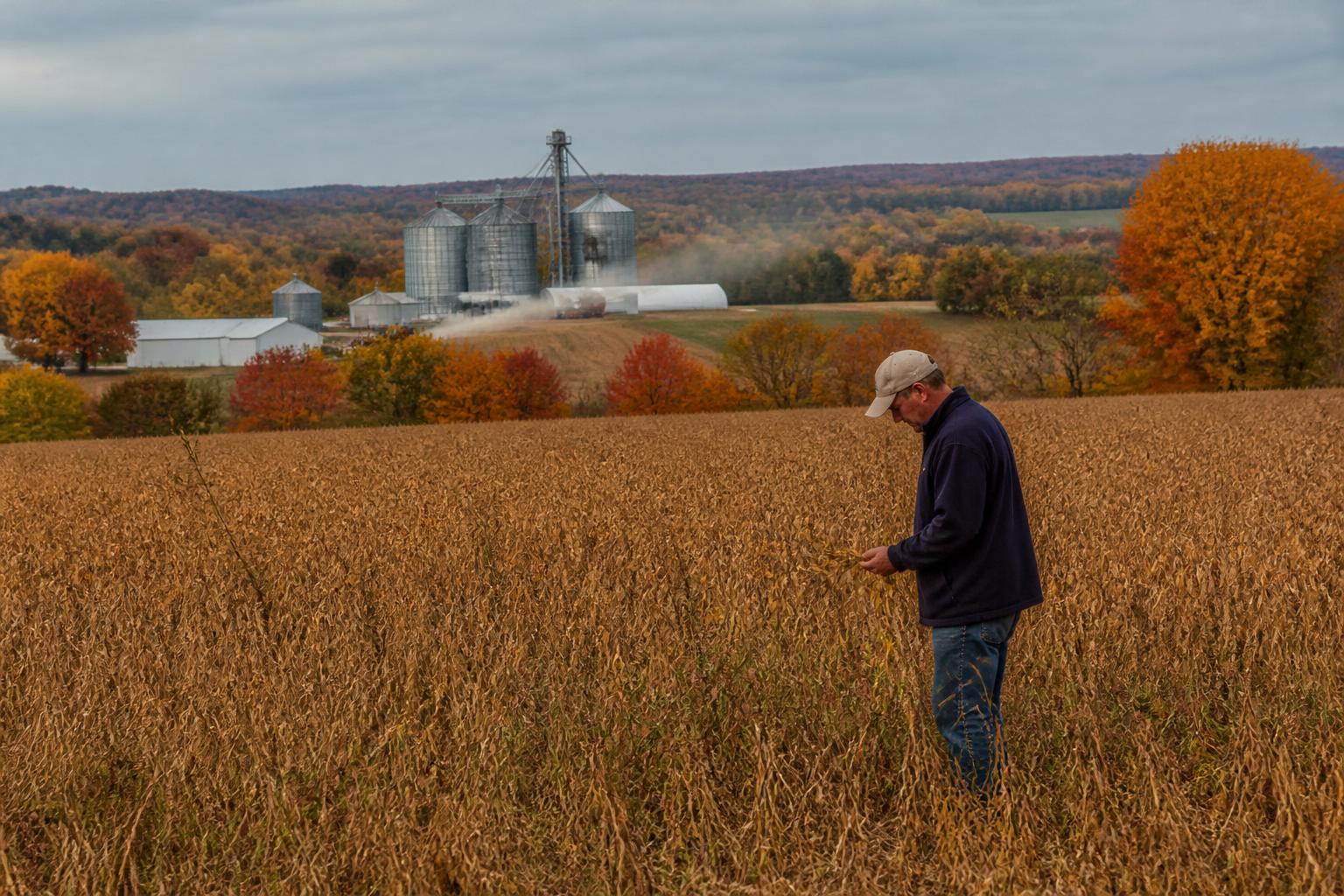
As Montana producers wrap up the fall season, the focus shifts toward maintaining soil integrity and planning for future input needs. Effective land management remains a priority across the state's diverse agricultural regions, where balancing operational efficiency with environmental stewardship can influence long-term productivity. For many, the current period is an ideal time to assess soil health and evaluate the impact of various tillage and cropping systems on field stability.
Optimizing Input and Resource Management
Managing agricultural inputs, particularly fertilizers, requires careful attention to shifting market conditions. Global price fluctuations often influence the cost of nitrogen-based products, prompting many producers to adopt more precise application strategies. Staying informed about regional supply chain factors is essential for maintaining a resilient fall fertilizer outlook that protects both the crop and the bottom line.
Beyond nutrients, modern field protection now encompasses broader sustainability goals. The recent establishment of infrastructure for agricultural plastic recycling, such as the new facility in Polson, provides farmers with new avenues to reduce farm-gate waste and improve environmental compliance. Integrating these practices into routine operations can help modernize farm management without compromising immediate harvest or planting goals.
Logistics and Regional Stability
Logistics continue to be a central theme for Montana agribusinesses this fall. As traffic patterns shift to accommodate the movement of seasonal yields toward regional ports and elevators, maintaining awareness of highway corridors and storage availability is vital. While regional challenges can occasionally emerge, proactive planning regarding transport and equipment maintenance often helps mitigate risks to the bottom line.
Producers are also increasingly looking toward innovation to navigate rising costs and regulatory environments. Whether through participation in conservation programs or by adopting specialized equipment, the Montana agricultural community continues to show adaptability in the face of variable weather and market volatility.
What it means for the market
For the Montana agricultural sector, the current market climate rewards those who prioritize resource efficiency and strategic planning. By staying attentive to local logistical developments and maintaining a focus on soil health, producers can better position their operations to withstand broader economic pressures, ensuring they remain competitive throughout the changing seasons.
Comments
No comments yet - be the first to share your take.