
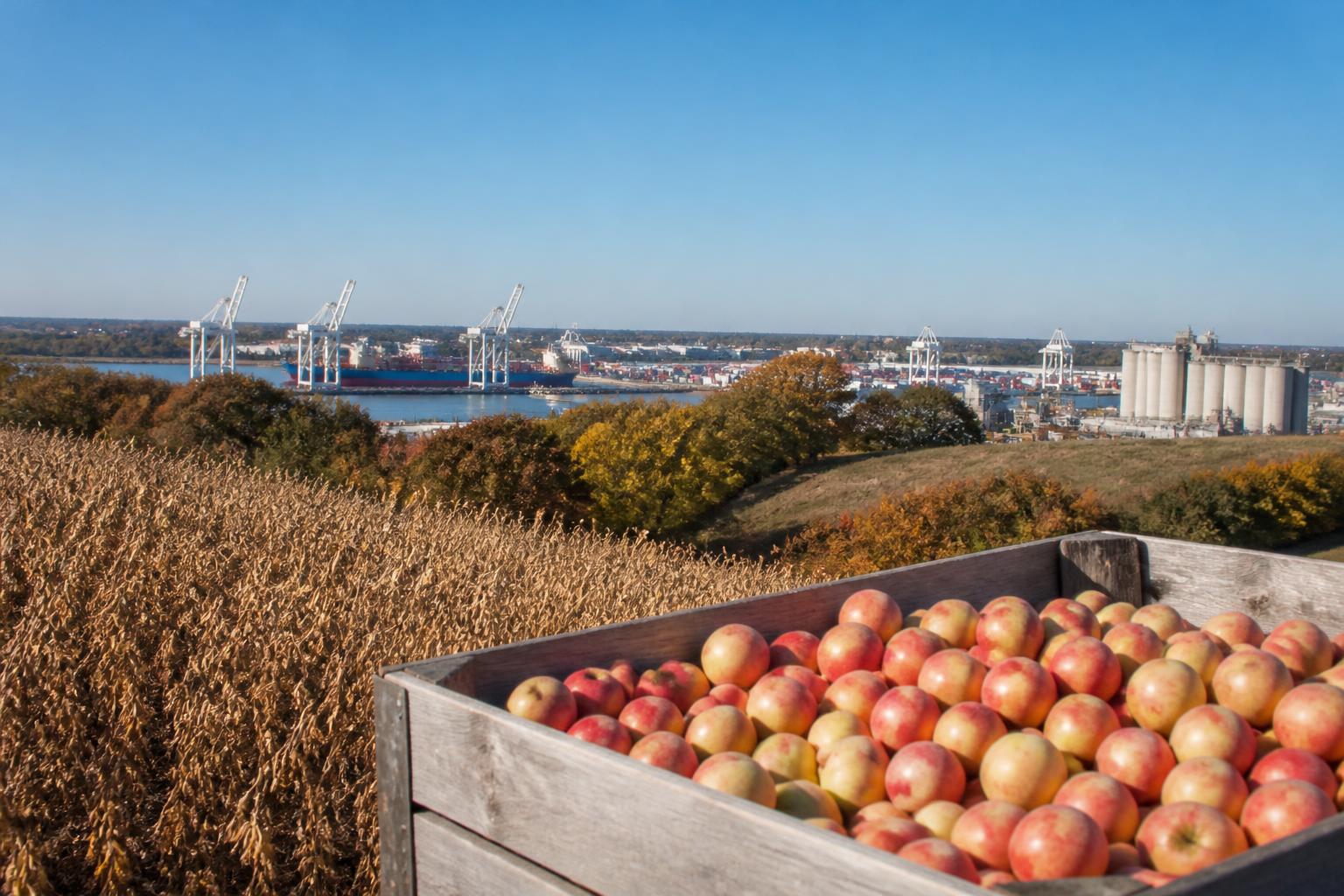
With the peak of the fall harvest underway across Georgia, the state's logistical corridors remain under high demand. Farmers and agribusinesses are moving substantial volumes of grain and seasonal commodities toward primary exit points, aiming to keep pace with steady international trade requirements. Efficient transit during these busy months is essential for maintaining margins and ensuring that Georgia-grown products reach competitive global markets in a timely fashion.
The Critical Role of Savannah in Ag Exports
The Port of Savannah has solidified its status as a leading gateway for U.S. agricultural exports. For Georgia producers, this proximity to high-capacity coastal infrastructure provides a distinct advantage in reducing inland freight costs and streamlining the supply chain. As regional facilities look to optimize their shipping schedules, the ability to leverage a high-traffic port becomes a defining factor in operational success. You can learn more about how infrastructure shifts are impacting the broader region in our fall logistics update for Georgia's ag sector.
Navigating Seasonal Logistical Demands
During the autumn, rural corridors across the state often see increased heavy vehicle traffic. Maintaining reliable transport links—including rail and road access—is a top priority for elevators and distributors. With ZenaTech and other service providers expanding their footprint in rail and land surveying, the integration of new technologies into traditional agricultural logistics is becoming more common. These tools can help operators better navigate the complex, high-pressure environments typical of the harvest window, especially when timing is critical for export-bound containers.
What it means for the market
For local producers and agribusinesses, the continued development of Georgia's export capacity is a positive sign for market reach. While congestion and infrastructure pressure are typical during the fall season, the strategic importance of the Savannah corridor allows for more consistent access to international buyers. Producers should focus on maintaining close communication with their logistics partners to mitigate potential delays and capitalize on the current export momentum.
Comments
No comments yet - be the first to share your take.