
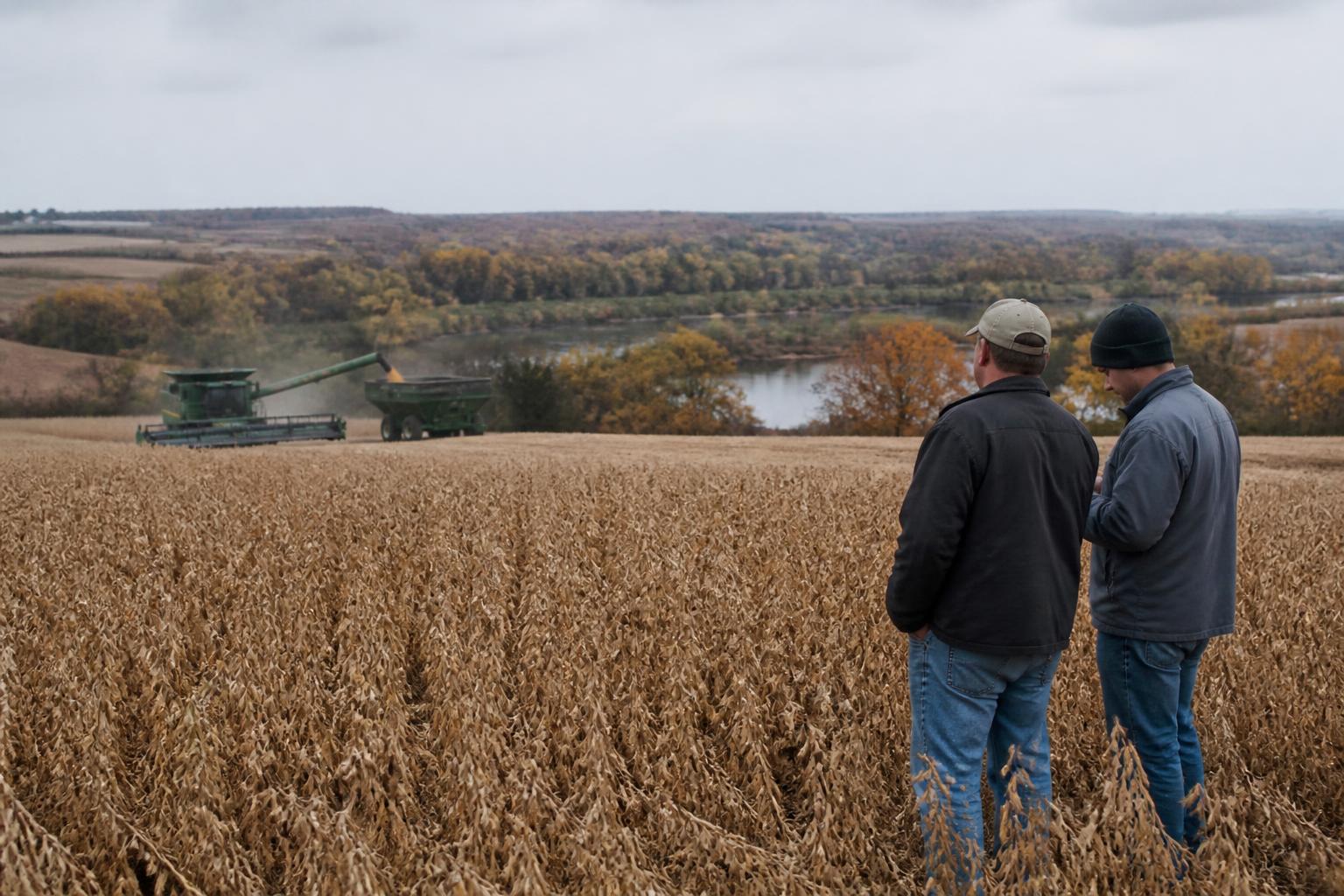
As the fall harvest season accelerates across Mississippi, agricultural producers are closely monitoring both the logistics of moving grain and the variable quality of field crops. While inland shipping corridors have faced significant hurdles in recent cycles, current reports suggest that movement along the Mississippi River has shown improvement compared to earlier, more constrained periods.
Efficient logistics are paramount this time of year, particularly as farmers in the Delta and beyond work to get commodities to market. For many, stable river levels and consistent barge availability are critical for maintaining the pace of regional freight movement and supply chain fluidity. While these recent logistical upticks are a welcome development for elevators and exporters alike, the overarching market remains sensitive to infrastructure reliability.
Managing Variability in Crop Quality
Beyond the logistical landscape, farmers are also managing the realities of this year's harvest outcomes. Regional reports indicate that crop quality has been somewhat uneven, with factors such as local weather patterns impacting the final yields. For peanut producers in particular, conditions have resulted in quality levels that vary significantly depending on the specific location and management practices employed during the growing season.
Producers are balancing these production nuances with the broader pressures of input costs and market shifts. As operations continue, many are prioritizing sustainable field protection and resource management to ensure long-term viability in an increasingly unpredictable market environment.
What it means for the market
For Mississippi agribusinesses, the current period represents a delicate balance between stabilizing logistics and adapting to production variability. While improved barge movement provides a necessary foundation for export-heavy operations, the focus for the remainder of the season will likely remain on optimizing throughput while navigating market fluctuations that continue to weigh on the agricultural sector. Producers and handlers should stay alert to shifting river conditions and local quality assessments as the final fields of the season are cleared.
Comments
No comments yet - be the first to share your take.