
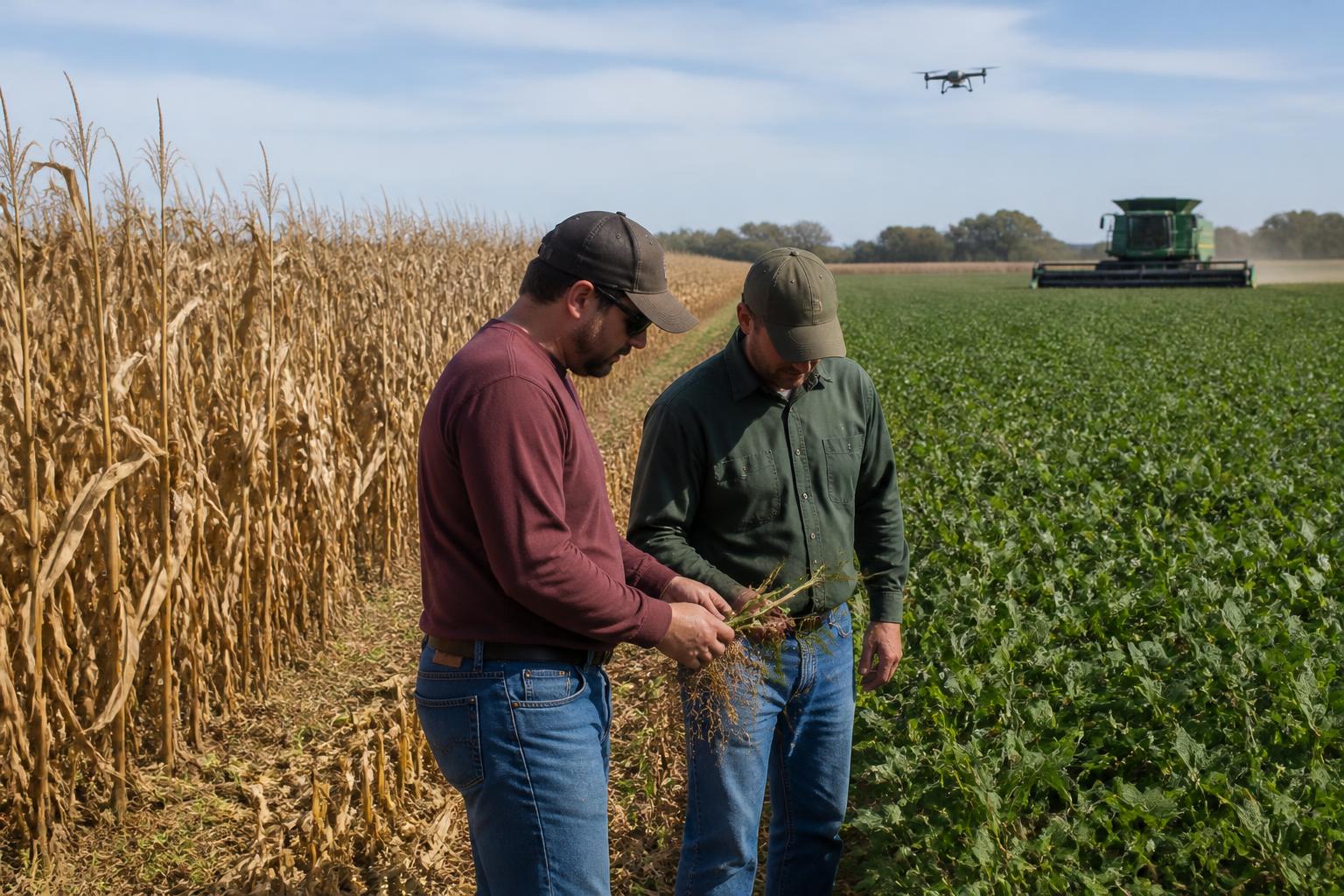
The Illinois harvest season is well underway, presenting a complex set of operational hurdles for growers across the state. While harvest activity reaches its peak in many counties, producers are balancing the immediate demands of the field with longer-term considerations regarding input costs and crop health. Recent field reports indicate that while corn performance has varied, producers are increasingly contending with notable disease pressures in soybean crops, which may influence storage and marketing decisions as the fall progresses.
Managing Input Economics in the Face of Market Volatility
For many agribusinesses and farm operations, the current environment is defined by a widening gap between operating costs and the prices received at the elevator. With retail fertilizer prices showing upward movement, farmers are closely evaluating their fall fertility applications and potential shifts toward strip-tillage. Decisions regarding soil nutrient management this season are particularly high-stakes as producers look to balance yield optimization with the need to tighten budgets ahead of the next planning cycle.
Logistical and Regional Context
Logistics continue to be a focal point for Illinois agriculture, particularly as regional infrastructure undergoes modernization. The designation of the Corn Belt Ports Consortium as a Center of Excellence for 2026 highlights the critical role of river and rail transport in maintaining export competitiveness for Illinois corn and soybeans. As growers clear their bins and move product, understanding the interplay between localized transit efficiency and broader supply chain constraints remains essential for navigating the current market cycle.
What it means for the market
The convergence of higher input costs and varied crop quality puts a premium on precise logistical and financial planning. As the harvest wraps up, successful operators are likely to focus on mitigating yield-robbing disease pressures through proactive field management and leveraging improved export infrastructure to capture value where local elevator basis remains tight. Maintaining a disciplined approach to input purchasing will be critical for those looking to protect margins in the upcoming year.
Comments
No comments yet - be the first to share your take.