
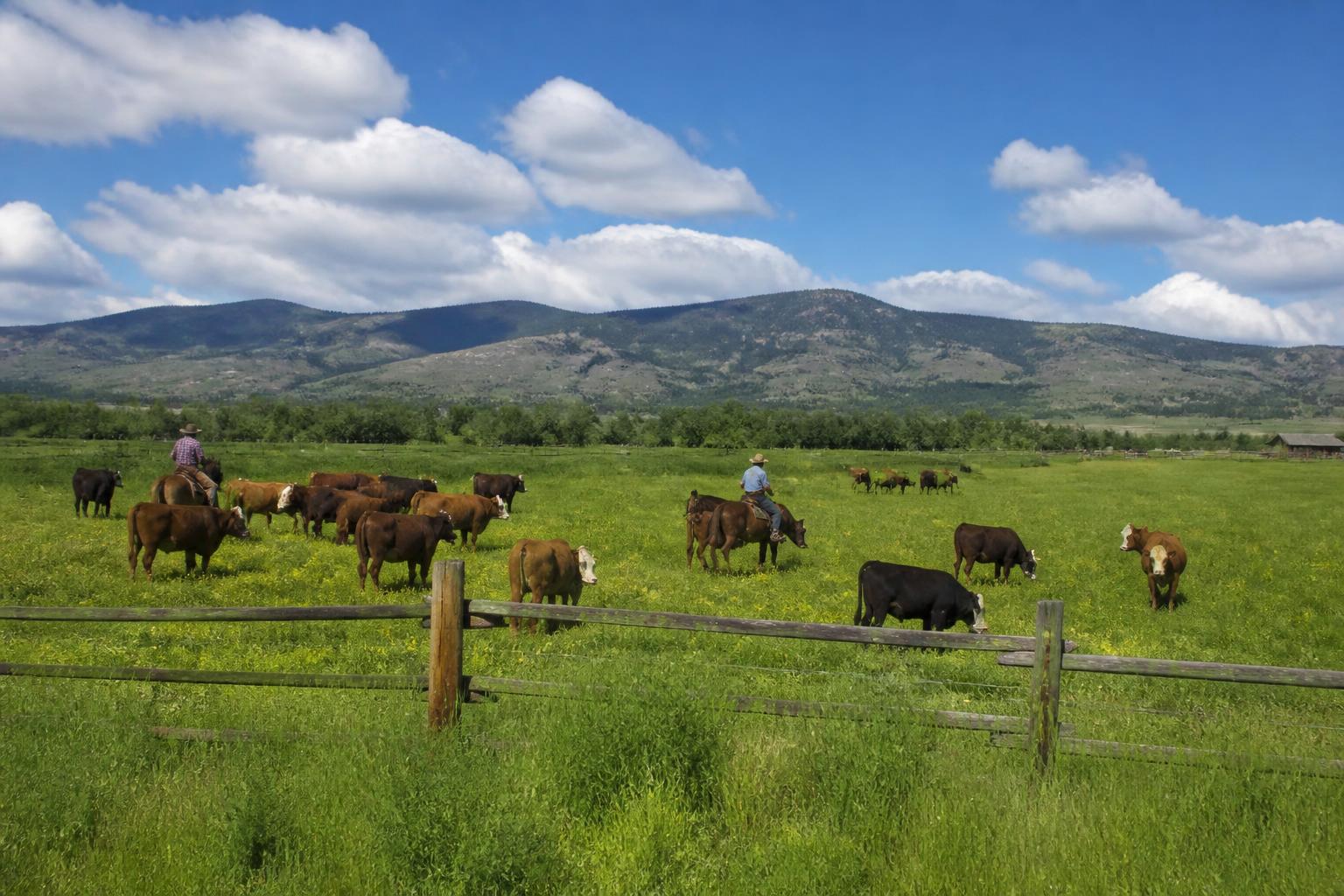
As the summer heat intensifies across Wyoming, grain producers and livestock operators find themselves navigating a complex landscape of shifting weather patterns, changing land values, and regional land management decisions. Managing water resources is always a primary concern for the state's growers, but this season presents both structural hurdles and strategic opportunities.
Adapting to a Changing Climate
Wyoming agricultural producers are increasingly forced to adapt to the realities of shifting weather patterns. Longer dry spells and unpredictable precipitation require more efficient irrigation systems and resilient crop varieties. For grain producers in eastern counties like Goshen and Laramie, water management dictates final yield potential. Incorporating adaptive management practices is critical, especially when reviewing the recent Wyoming grain and forage outlook, which underscores the necessity of managing summer water limitations.
Land Value Fluctuations and Market Optimism
While production risks remain high, the agricultural real estate market is presenting some unexpected developments. Reports indicate that sliding Wyoming land prices may bring new opportunities for local growers and younger families looking to establish or expand their operations. Despite some downward pressure on land values, real estate agents have also noted a recent boost to market optimism, fueled by long-term asset value and strategic land transactions.
Land exchanges, such as those swapping public and private parcels, continue to benefit both ranchers and farmers by consolidating fragmented acreage into more manageable, productive tracts. This optimism persists even as large-scale holdings expand, highlighting the diverse scale of Wyoming's agricultural landscape.
Risk Management in the Dry Season
Dry summer conditions also elevate the risk of wildfire, a constant threat to forage, grain fields, and rangeland. To mitigate these impacts, the USDA offers disaster assistance programs specifically designed to support Wyoming agricultural producers affected by destructive summer fires. Alongside federal relief, local grassroots initiatives are promoting local food security and community-supported agricultural models. Successfully navigating Wyoming agricultural market weather challenges requires utilizing these federal safety nets while adjusting input strategies to protect soil health and crop viability.
Key Takeaways for Wyoming Producers
- Land market potential: Sliding land prices in some regions may lower the barrier to entry for growers looking to consolidate or expand their crop acreage.
- Climate resilience: Shifting weather patterns demand proactive water management and drought-tolerant crop planning to secure expected yields.
- Safety net utilization: Federal disaster assistance remains a critical lifeline for operators recovering from wildfire and weather-related losses.
What it means for the market
The combination of sliding land prices and changing climate conditions means Wyoming agricultural producers must adopt a dual strategy of financial caution and operational flexibility. Buyers seeking to secure productive acres may find favorable opportunities in the current real estate market, but long-term profitability will rely heavily on robust risk mitigation, conservative water budgeting, and the timely use of federal disaster programs.
Comments
No comments yet - be the first to share your take.