
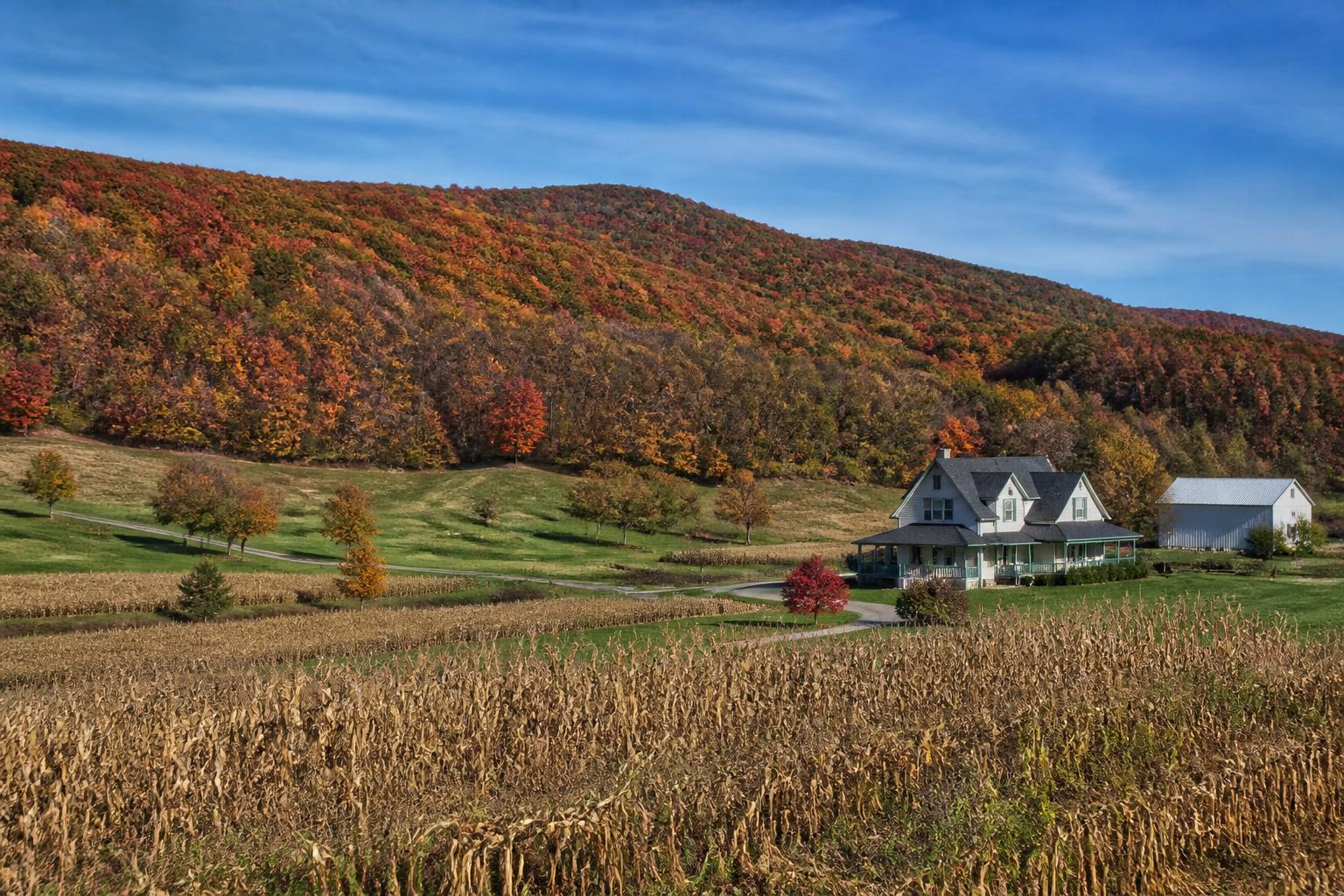
In West Virginia, the fall season represents a critical window for producers as harvest activities peak across the state. Amidst the busyness of the season, maintaining the integrity of farm-side infrastructure is paramount to keeping operations on schedule. Reports of localized criminal activity, such as wire theft, remind operators to keep a close watch on equipment and power access points. Protecting your physical assets against these persistent risks is a foundational component of effective rural transport and site management.
Securing Infrastructure Against Disruptions
Whether you are managing large grain storage units or relying on smaller, remote operations, the security of electrical and communications infrastructure is vital. Beyond the obvious threat of theft, equipment downtime due to power or network instability can ripple through your logistics chain. For those moving goods through the state, being proactive with physical security measures helps avoid costly mid-harvest bottlenecks. Consistent monitoring remains the most reliable strategy to mitigate risk in rural areas where law enforcement response times can be lengthened by mountainous terrain.
Navigating Logistics and Seasonal Access
As the landscape transitions, farmers must continue to account for the unique regional challenges of moving heavy machinery and loaded grain trailers. Even under standard conditions, West Virginia's topography requires careful route planning to avoid weight-restricted bridges or narrow pass-throughs. As discussed in our look at infrastructure and land access, knowing your primary and secondary routes is essential when traffic increases during the harvest rush. When infrastructure is compromised, having a reliable contingency plan for local transport is the difference between a smooth harvest and a delayed one.
Building Operational Resilience
Producers are encouraged to work closely with local suppliers and maintenance teams to ensure that any potential failures—such as substation issues or downed lines—are identified and addressed quickly. It is also a good time to revisit standard operating procedures for securing equipment storage, particularly for operations located near main highway corridors. Strengthening your overall site resilience will help insulate your business against unpredictable, site-specific interruptions as you finalize your fall fieldwork.
What it means for the market
For agribusinesses and carriers, these environmental and security factors directly impact the velocity of the local supply chain. Minimizing downtime through proactive security and route awareness allows for more predictable grain movement to regional processors and elevators, keeping your operational margins tight and your timeline intact as we move deeper into the fall.
Comments
No comments yet - be the first to share your take.