
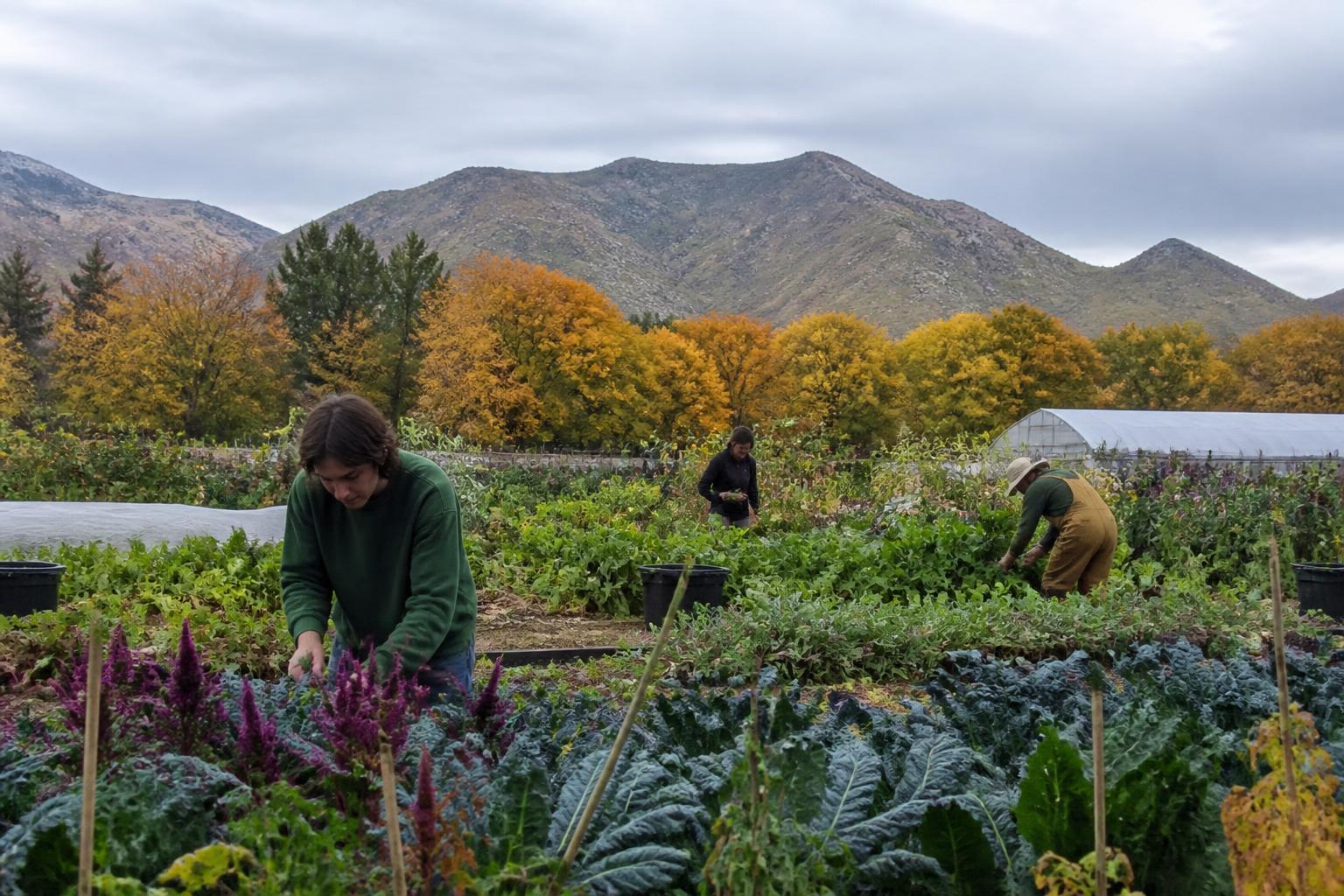
As the fall harvest season progresses, agricultural producers across Utah are shifting their focus from field operations to the critical task of efficient grain handling and storage. With seasonal volumes peaking, many operations are evaluating their current storage infrastructure to ensure they can manage supply flow without incurring unnecessary bottlenecks at the elevator or in transport.
For those managing the logistics of moving grain, the focus often turns to optimizing aeration and grain-handling systems. Maintaining product quality throughout the storage period is a priority, as regional producers continue to navigate the complex operational headwinds that often characterize high-volume harvest periods. Proper management of these assets is essential for preserving the marketability of the crop once it is removed from the field.
Infrastructure and Efficiency in the Field
The current environment highlights the importance of localized storage capacity, particularly as regional supply chains remain sensitive to shifts in transportation demand. Many producers are finding that investments in modern aeration and spreading technology are providing greater flexibility when dealing with variable moisture content in late-season harvests. By improving in-bin uniformity, farmers can often reduce spoilage risks and keep more grain on-farm until price conditions stabilize.
Alongside mechanical improvements, some Utah operations are increasingly focused on long-term sustainability. Current industry discussions regarding input cost management and protection strategies are leading many agribusinesses to re-evaluate their reliance on volatile external inputs, favoring instead a more integrated approach that prioritizes resource efficiency from planting through to storage.
What it means for the market
For the average Utah producer, the current landscape necessitates a dual focus: maximizing field throughput during these favorable harvest conditions while simultaneously managing storage risks. As storage expansion becomes a more common strategy to mitigate regional logistical bottlenecks, businesses that can maintain consistent quality control will likely hold a stronger position when moving grain into the broader market later in the season.
Comments
No comments yet - be the first to share your take.