
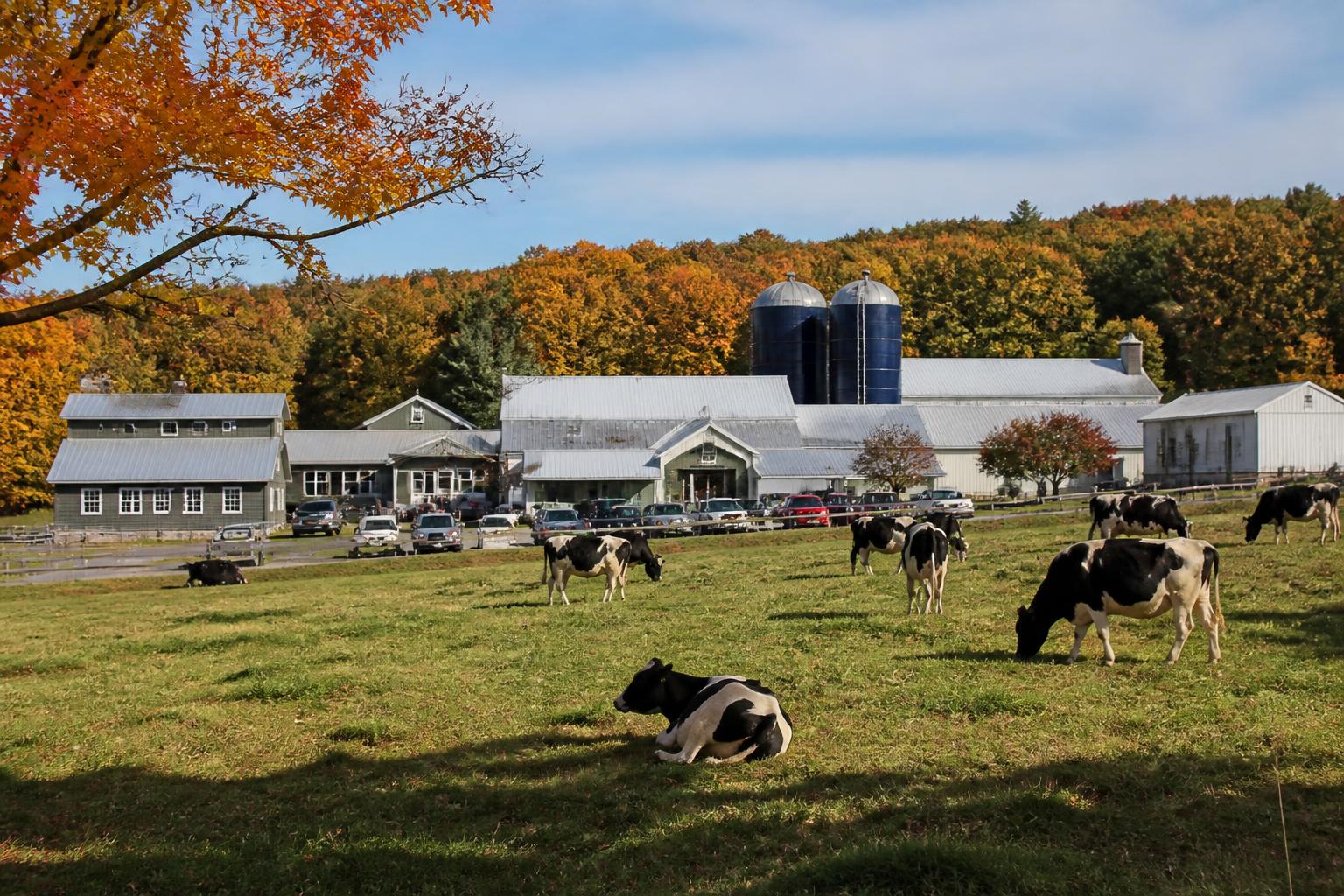
For Connecticut agricultural producers, the fall season represents a peak period for both harvest operations and distribution. Navigating the state's transport corridors requires careful planning, as farmers must coordinate the movement of goods from rural fields to local markets and regional hubs. Efficient logistics are essential, especially as growers look to balance seasonal output with the demands of an evolving market landscape that prioritizes consistent supply and reliable delivery channels.
Streamlining Farm-to-Market Routes
In Connecticut, the diversity of farm operations, from dairy production in the state's northern reaches to smaller specialty crop farms, necessitates versatile transport strategies. Many producers are increasingly evaluating their supply chain resilience to manage potential bottlenecks on major arteries like I-91 or I-95. Whether moving fresh product or bulk inputs, operators are prioritizing fuel efficiency and vehicle maintenance during these cooler months to avoid unexpected downtime when demand for local produce typically spikes.
Adapting to Consumer Logistics
Beyond traditional distribution, direct-to-consumer models are reshaping how Connecticut agriculture functions. Innovative approaches, such as the emergence of 24/7 self-serve farm retail options, reflect a shift in how dairy and other staples reach the end user. By reducing the reliance on conventional delivery cycles, these models may allow producers to maintain steady revenue streams while offloading some of the traditional transportation pressures faced by large-scale wholesale operations. This shift also supports long-term soil stewardship and financial stability for those managing smaller or mid-sized acreages.
What it means for the market
The current logistical climate in Connecticut emphasizes the need for flexibility. As farmers continue to harvest and distribute during this autumn window, those who can successfully integrate varied transport strategies—from robust wholesale routes to modernized direct-sale infrastructure—are better positioned to mitigate the risks associated with regional traffic patterns and seasonal demand fluctuations.
Comments
No comments yet - be the first to share your take.