
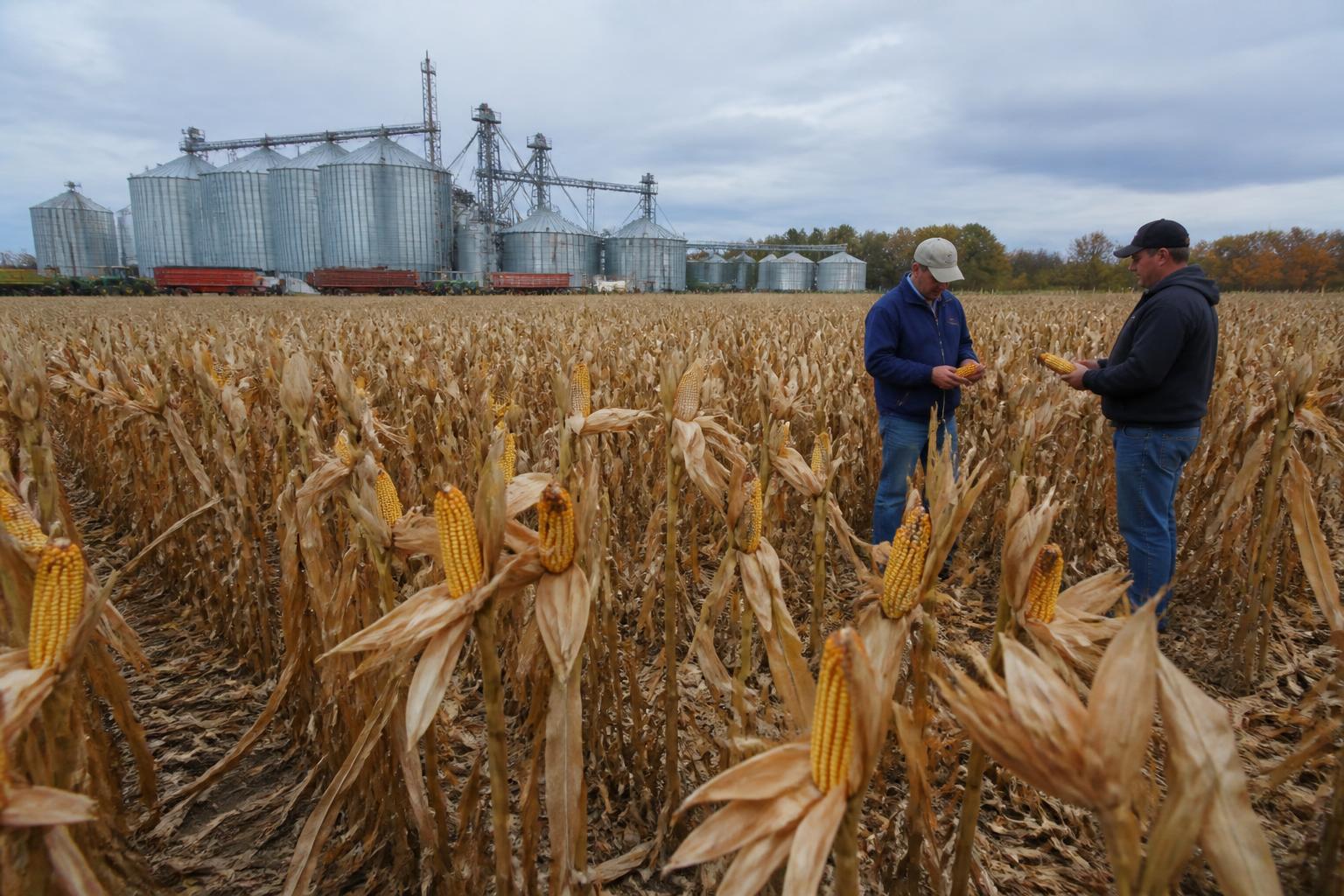
The Ohio harvest season is well underway, bringing the familiar intensity of logistics and grain handling to the forefront for producers across the state. As combines roll through fields, the focus for many farmers has shifted to the efficient movement and storage of grain. Recent developments in the regional infrastructure, including the closure of the Cargill grain facility in Dayton, serve as a reminder for ag-businesses to continuously evaluate their local delivery points and logistics chains.
For those managing the flow of grain, staying agile with storage and transportation plans can help mitigate the stresses of a busy harvest window. Integrating fall logistics and market preparedness strategies is often vital for operators looking to optimize their time and reduce wait times at elevators. Whether you are operating in the fertile bottomlands or more rolling terrain, tracking local facility status and adjusting hauling routes in real-time can preserve margins during peak delivery days.
Refining On-Farm Storage and Marketing
Investment in modern grain handling systems often proves its worth during these high-pressure weeks. Upgraded infrastructure not only aids in immediate harvest efficiency but also provides greater flexibility for grain marketing, allowing growers to hold inventory when local basis levels are less than ideal. Managing this on-farm storage effectively is a balancing act that requires keeping a close eye on production costs and local market indicators.
Producers are also reminded that evaluating the cost of production remains a key component of end-of-year tax planning. Utilizing updated farm accounting books and tax guides can provide the clarity needed to make informed decisions about whether to sell at harvest or store for future market opportunities. Balancing these financial strategies alongside custom harvesting strategies remains a core focus for many Ohio farming operations this year.
What it means for the market
While regional facility closures may necessitate longer transit times for some, they also highlight the increasing importance of decentralized on-farm storage and diversified logistics planning. Producers who have prepared their infrastructure and marketing plans early are better positioned to handle the seasonal crunch. Monitoring local elevator capacity and staying informed on statewide trends will be the primary lever for maximizing returns as the harvest reaches its full stride.
Comments
No comments yet - be the first to share your take.