
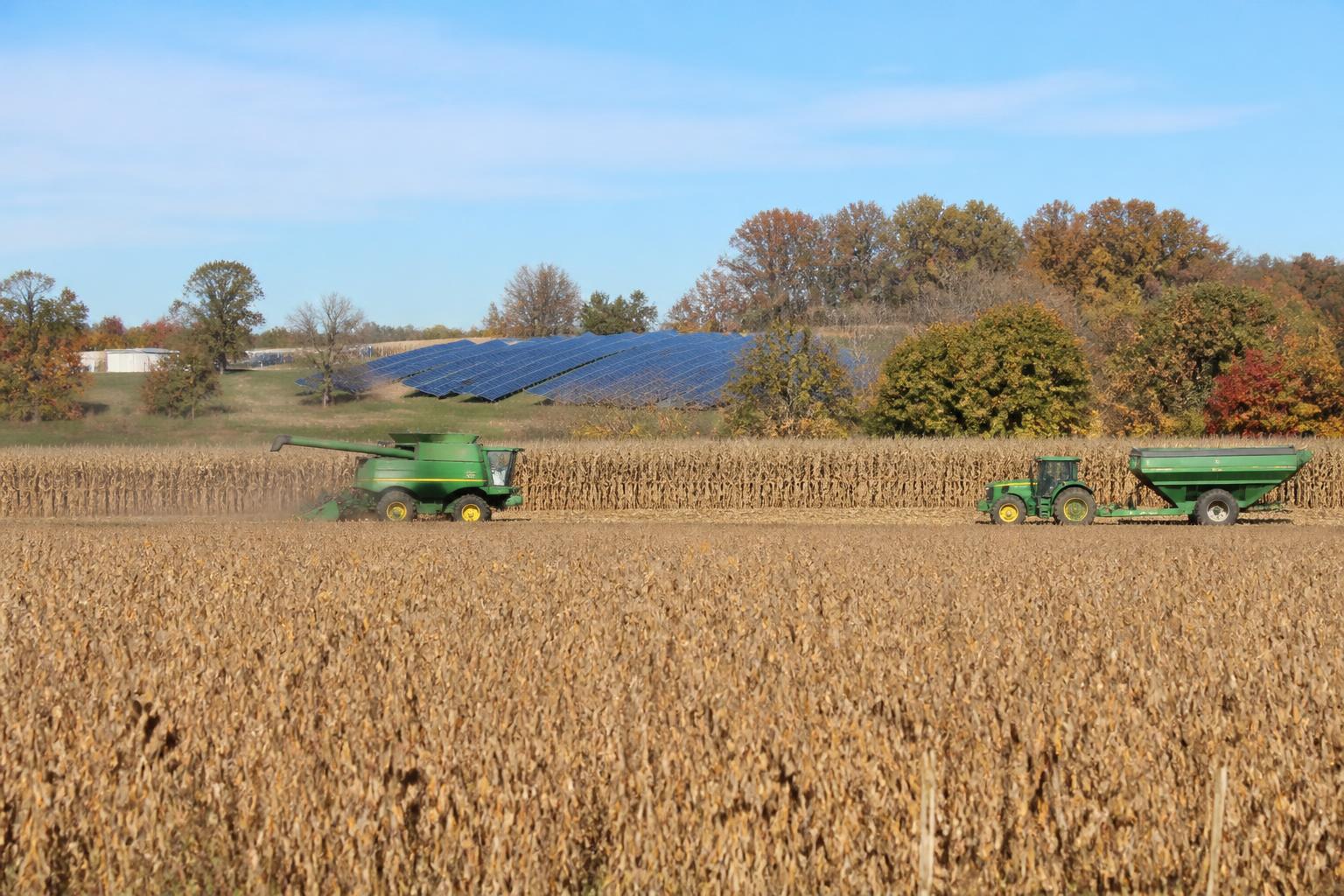
The peak of the fall harvest is upon us, bringing critical logistical challenges for grain handlers and producers across Ohio. As combines move through the fields from the rolling hills of the east to the expansive plains in the west, the focus shifts toward maintaining a smooth flow from the harvest line to local elevators. Efficient transport and timely storage management are essential during these high-volume weeks, particularly as producers navigate the complexities of regional crop movement.
Optimizing Harvest Flow and Storage
With the harvest season in full swing, managing custom harvesting strategies has become a priority for operations aiming to maximize efficiency. Ensuring that grain bins are prepared for incoming supply helps prevent bottlenecks at the scale. For many, this is a time to reassess storage capacity and coordinate with local carriers to ensure that transport routes remain clear of seasonal obstacles, allowing for uninterrupted delivery during the busiest weeks of the year.
Navigating Input and Supply Dynamics
Beyond the immediate demands of the harvest, savvy agribusinesses are looking ahead to post-harvest nutrient planning. As noted in recent assessments of the fall fertilizer outlook, balancing current labor needs with upcoming soil health requirements is key. Proactive communication with regional terminals and input suppliers can provide a buffer against potential supply chain tightening as the season winds down.
Strengthening Regional Infrastructure
Investment in localized logistics continues to be a recurring theme for the state's agricultural resilience. Whether it is leveraging new Ohio River terminal infrastructure or refining regional shipping lanes, the ability to pivot and adapt to changing market conditions remains a hallmark of Ohio's competitive edge. Keeping a close eye on transport capacity is essential as commodities prepare for transit toward both domestic and export markets.
What it means for the market
For the Ohio producer and handler, the current landscape emphasizes the importance of logistical foresight. By coordinating harvest schedules with storage availability and maintaining clear communication with regional logistics partners, stakeholders can mitigate the risks associated with peak seasonal traffic. Prioritizing these operational efficiencies now will help ensure that the final push of the season remains productive and profitable.
Comments
No comments yet - be the first to share your take.