
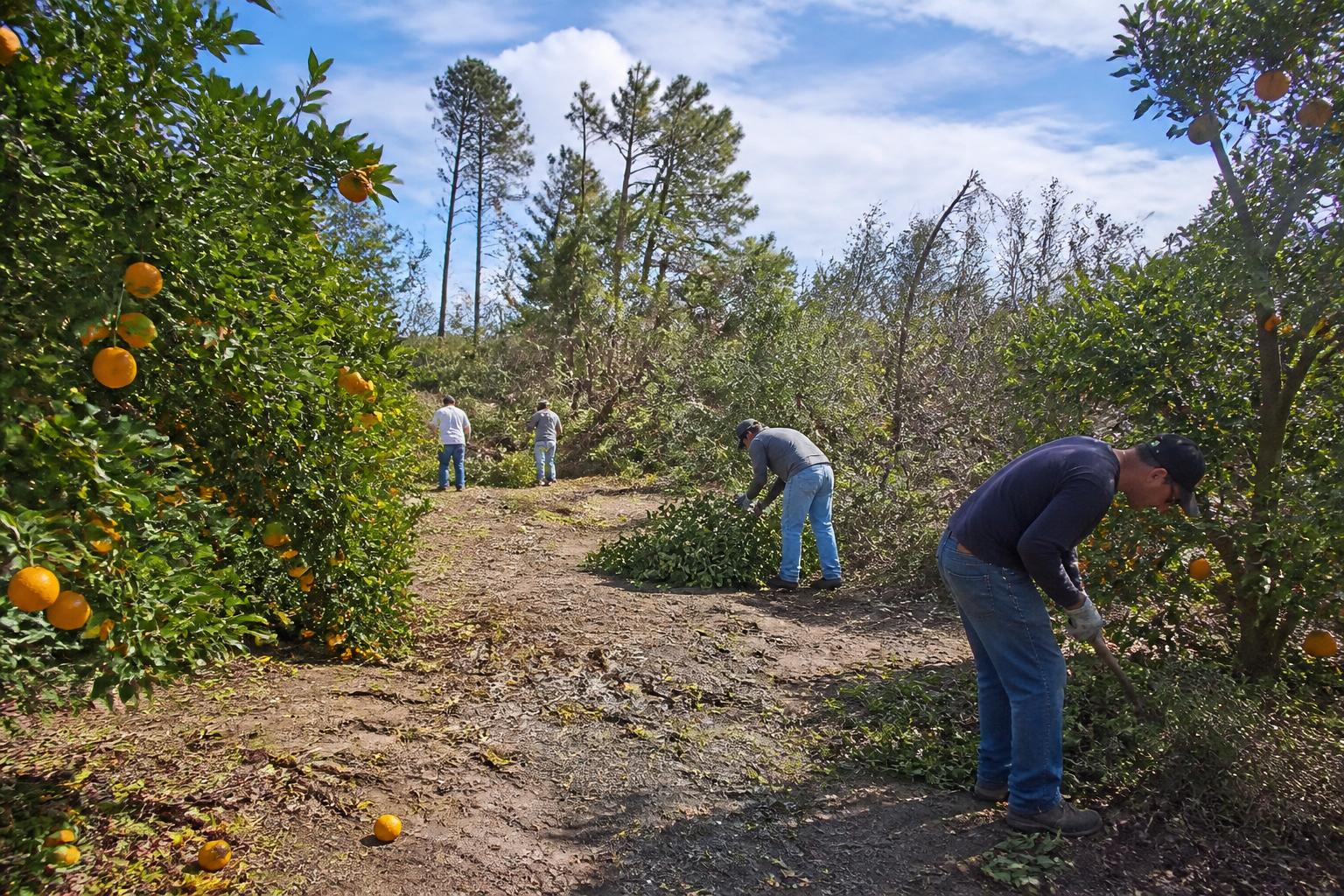
Florida's agricultural community is currently navigating a period of operational adjustment following the recent arrival of Hurricane Isaias. For growers and logistics providers, the immediate priority remains the stabilization of transport corridors and the assessment of regional supply chain resilience. As harvest activities continue across various sectors, ensuring that transit routes are clear for the movement of seasonal produce and inputs is top of mind for many agribusinesses.
Recovery efforts are receiving support through newly activated loan programs designed to assist small businesses, including those within the agricultural sector, in addressing infrastructure damage and operational disruptions. While the state's logistics and input readiness remain under pressure, efforts to clear transit routes and restore reliable shipping channels are ongoing. These measures are essential for maintaining the flow of goods from field to market as the industry enters the height of the fall season.
Building Resilience in Changing Conditions
Beyond immediate storm recovery, Florida's agricultural landscape is evolving to meet broader environmental and market challenges. Growers are increasingly looking at long-term strategies to maintain productivity in a changing climate. This includes the integration of advanced cultivation methods, such as the growth of indoor specialty crops, which provide a controlled environment that can mitigate some of the risks associated with unpredictable weather patterns.
Additionally, the sector is seeing continued interest in technological innovation. Regulatory milestones, such as new state registrations for specialized agricultural inputs, signify a push toward modernizing crop protection and management tools. These developments, supported by ongoing funding for critical initiatives like citrus research, are intended to bolster the long-term viability of Florida’s diverse farming operations.
What it means for the market
For grain handlers, shippers, and agribusinesses, the current environment necessitates a cautious approach to inventory and logistics management. While recovery aid provides a necessary bridge, localized infrastructure volatility may persist. Market participants should stay informed on local transit updates and maintain flexibility in their supply chains to account for any residual delays in the wake of the storm, ensuring that both essential inputs and finished products can reach their destinations efficiently throughout the remainder of the season.
Comments
No comments yet - be the first to share your take.