
Summer heat across Colorado has brought a complex landscape of biosecurity threats and pest pressures to local fields and agricultural operations. From the confirmed presence of the highly invasive Asian jumping worm to the ongoing challenge of managing the destructive Colorado potato beetle, producers are adapting their crop protection playbooks. Maintaining soil health and safeguarding crops from the high plains to the valleys requires a heightened focus on field sanitation and integrated pest management (IPM) practices.
As water availability remains a critical topic across the Colorado River and Rio Grande basins, preserving soil organic matter and plant health is paramount. For Colorado agribusinesses, the introduction of non-native pests complicates these conservation efforts, making early detection and proactive mitigation essential components of this summer-cropping season.
The Arrival of Asian Jumping Worms in Colorado
State agricultural authorities and invasive species specialists are urging vigilance following the confirmation of Asian jumping worms in Colorado. Unlike common European earthworms, which help aerate the soil, jumping worms are highly destructive. They quickly consume the organic leaf litter and mulch layer on the soil surface, stripping away vital nutrients and leaving behind dry, loose castings resembling coffee grounds. This severely degrades soil structure, increases erosion risks, and impacts crop root development.
Preventing the spread of these worms is critical for Colorado growers, particularly those operating nurseries, organic farms, or utilizing compost and bulk soil amendments. Because there are currently no registered chemical controls to eradicate jumping worms once established, management relies entirely on prevention. Experts recommend thoroughly inspecting incoming soil, compost, and container plants, and washing equipment when moving between different fields or regions to prevent transferring cocoons.
Shifting Fronts in the Battle Against the Colorado Potato Beetle
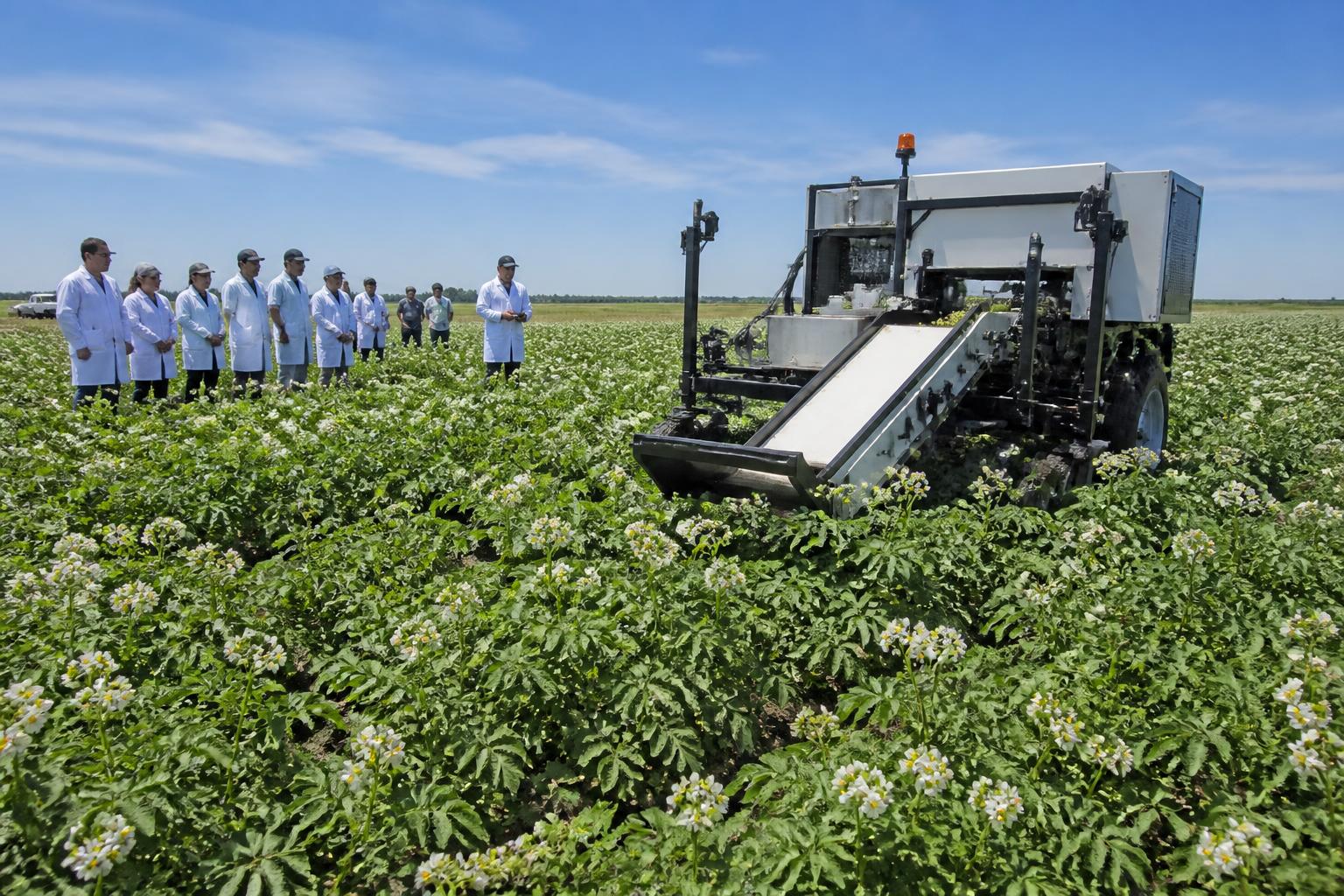
The Colorado potato beetle remains a formidable threat to potato production, particularly in key growing regions like the San Luis Valley. Controlling this pest has historically been difficult due to its rapid ability to develop resistance to chemical insecticides. Recent scientific developments, however, are exploring new avenues of control, including biological approaches such as utilizing beneficial nematodes to target the pests, as well as mechanical catchers designed to physical remove beetles from the canopy.
Additionally, research indicates that common agricultural fungicides can inadvertently affect the biological fitness of Colorado potato beetles and alter their susceptibility to insecticides, adding a layer of complexity to seasonal spray programs. This evolving pest landscape coincides with broader market adjustments, as detailed in our analysis of Colorado crop protection legislative battles that are reshaping how growers access and apply essential inputs.
Key Takeaways for Summer Field Management
- Practice Strict Sanitation: Wash tractors, implements, and utility vehicles when moving between fields to prevent the transport of invasive pest eggs or weed seeds.
- Monitor Soil Quality: Watch for changes in soil texture, particularly dry, granular structures that may indicate the presence of Asian jumping worms.
- Audit Fungicide Impacts: Coordinate with crop consultants to understand how routine fungicide applications might interact with insecticide efficacy against potato beetles.
- Leverage Integrated Pest Management (IPM): Combine physical barriers, biological controls like beneficial nematodes, and targeted chemistry to manage resistant pest populations.
What it means for the market
For Colorado agricultural markets, rising biosecurity and pest pressures translate to higher operational risks and potentially increased input costs during the summer. As chemical resistance issues persist and invasive species threaten soil integrity, growers are increasingly looking toward diverse biological controls and stricter biosecurity measures. Successful pest mitigation will not only protect yields this season but will safeguard the long-term value of agricultural land and soil health in a highly competitive market.
Comments
No comments yet - be the first to share your take.