
With the fall harvest season in full swing across South Carolina, the focus for many producers and agribusinesses has shifted toward the critical task of moving commodities from field to facility. Efficient logistics during these months are essential, as traffic patterns and road conditions can significantly impact the speed of delivery to elevators and processing centers.
Producers in regions like the Pee Dee or the Midlands are often mindful of how localized infrastructure, such as updated signage or new pedestrian safety measures near school zones, may influence transport routes. Maintaining consistent communication with grain handlers and trucking partners remains a primary strategy for avoiding bottlenecks on state highways and local rural roads.
Infrastructure and Transport Efficiency
As the sector continues to evolve, there is a growing emphasis on optimizing the movement of inputs and outputs to strengthen the broader supply chain. This is a time when many in the industry find it beneficial to revisit logistics strategies that were implemented at the start of the harvest season. Adapting to the realities of peak transport periods allows operations to manage potential delays caused by seasonal vehicle traffic or load limit considerations on regional corridors.
Integrating New Agricultural Technologies
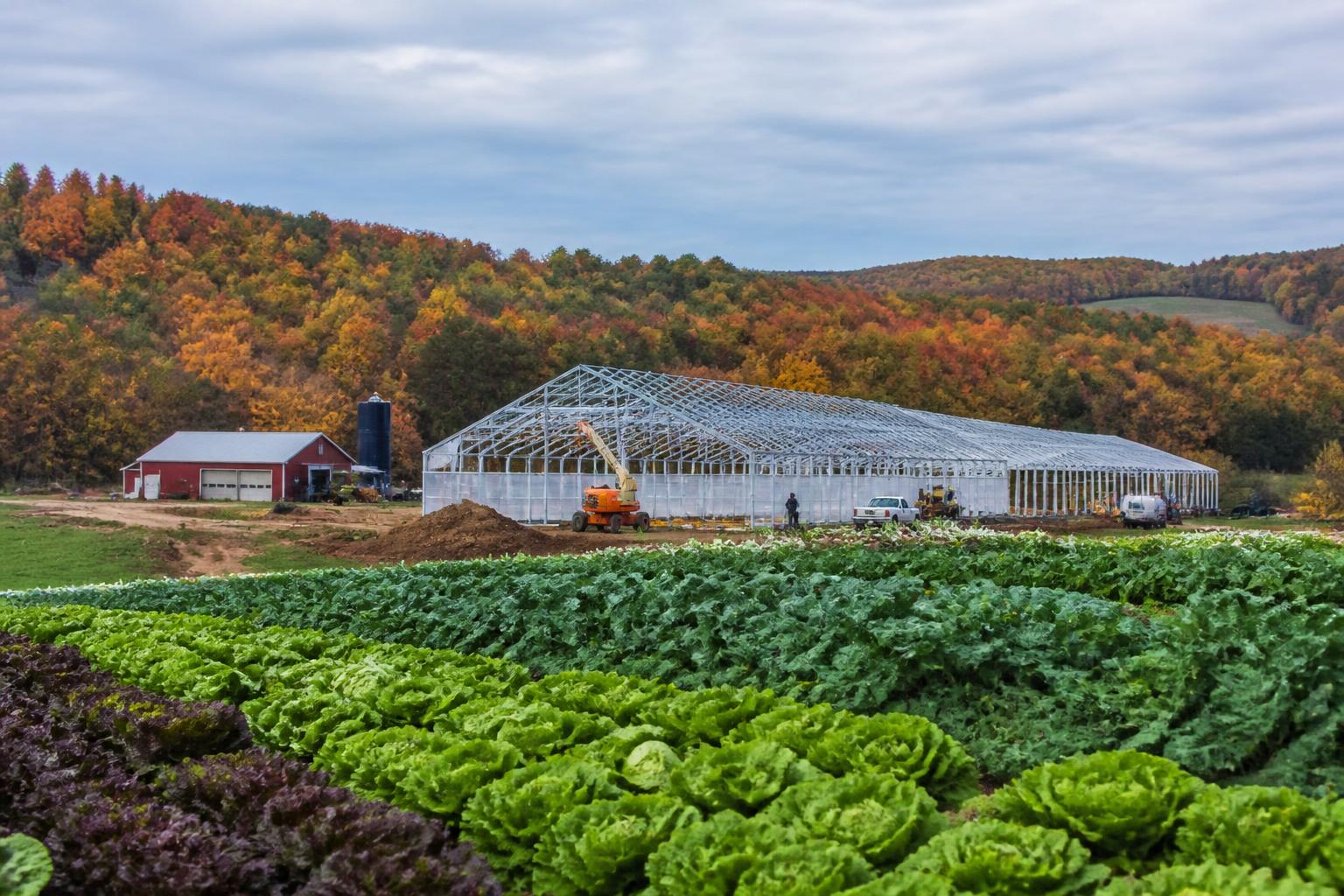
Beyond traditional transport, the South Carolina agricultural landscape is seeing a shift toward more modern food production methods, including the expansion of controlled-environment agriculture and high-tech greenhouse projects. These developments represent a broader push to modernize the food supply chain, ensuring that local produce can be managed and distributed more reliably. As operations move forward, growers who prioritize both logistics efficiency and long-term infrastructure investment are better positioned to handle the variable conditions of the fall market.
What it means for the market
For South Carolina farmers and grain handlers, the current priority remains balancing the immediate demands of the harvest with the long-term need for resilient logistics. By staying informed on current field pressures and operational trends, industry participants can make proactive decisions that keep products moving smoothly toward their end destination during this busy time of year.
Comments
No comments yet - be the first to share your take.