
Seasonal Risks and Crop Resilience
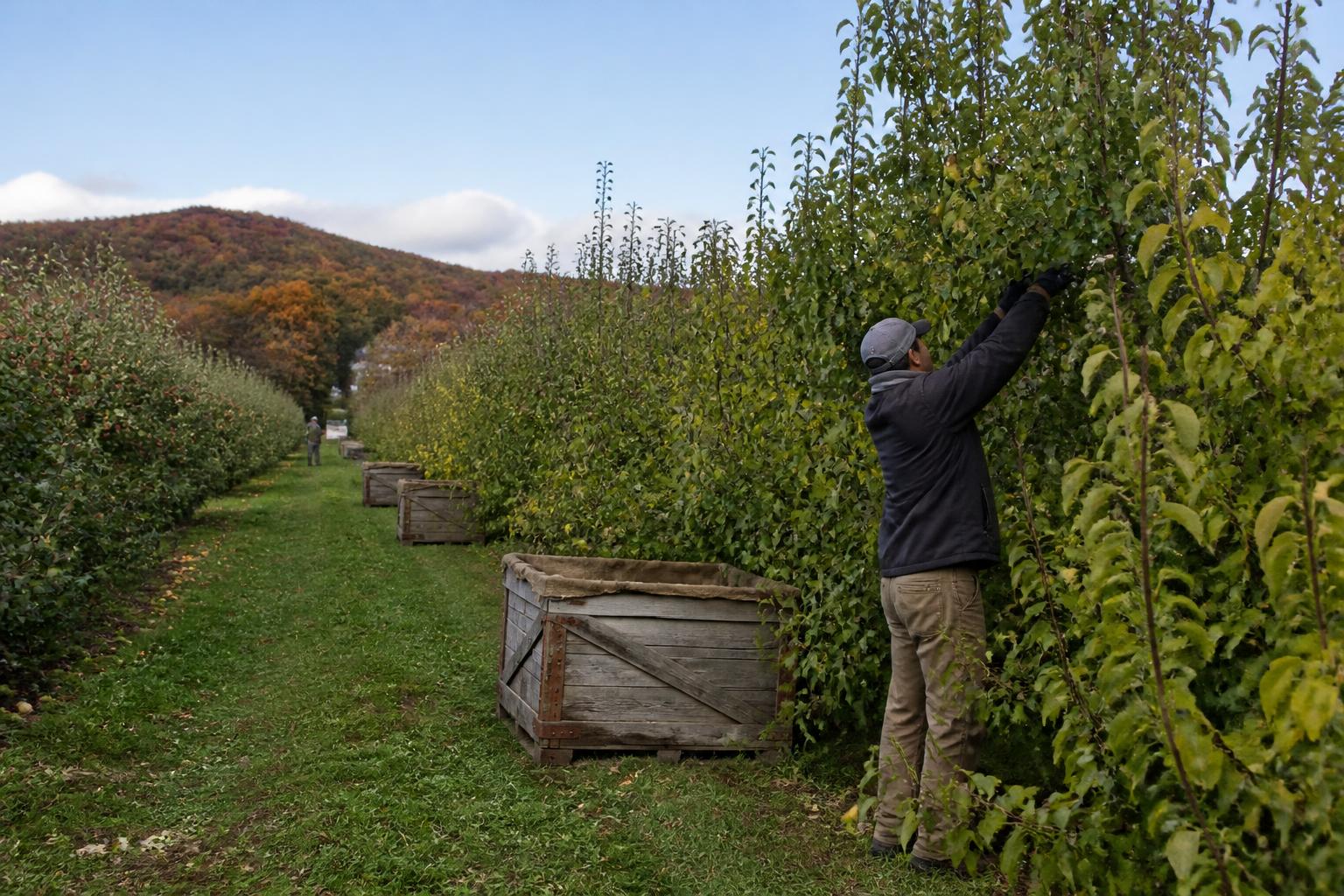
As South Carolina moves deeper into the fall, farmers are keeping a close watch on shifting temperatures. For many producers, particularly those managing fruit crops in higher-elevation areas, the threat of unseasonable deep freezes remains a primary concern for long-term viability. Producers are encouraged to keep a close eye on local weather advisories as they finalize their late-season management plans.
Simultaneously, agricultural innovation continues to address the environmental challenges of the region. Researchers at Clemson University have been actively identifying specific traits and germplasm to improve soybean heat tolerance. Such advancements are vital for advancing South Carolina field productivity, as they offer a roadmap for stabilizing yields in the face of increasingly variable climate conditions.
Pest Management and Input Demand
On the protection front, new efforts are underway to address cotton production challenges. Clemson has recently initiated chemical trials focused on combating the cotton leafhopper, a pest that can significantly impact crop health if left unchecked. These efforts are part of a broader strategy to support regional growers in maintaining high-quality fiber yields.
Meanwhile, logistical demands remain a focal point for the broader agricultural sector. Reports indicate a steady interest from firms seeking additional wheat straw within the state. For those looking to optimize their operational throughput, understanding the link between production volume and infrastructure constraints is essential for managing the movement of commodities from the farm gate to the end user.
What it means for the market
Producers should balance short-term protective measures against the potential for late-season frost, while staying informed on ongoing trials for heat-tolerant varieties. As the market for byproduct materials like wheat straw remains active, agribusinesses should prioritize efficient logistics to maximize supply chain flow and ensure that inputs and harvested goods are handled with minimal delays.
Comments
No comments yet - be the first to share your take.