
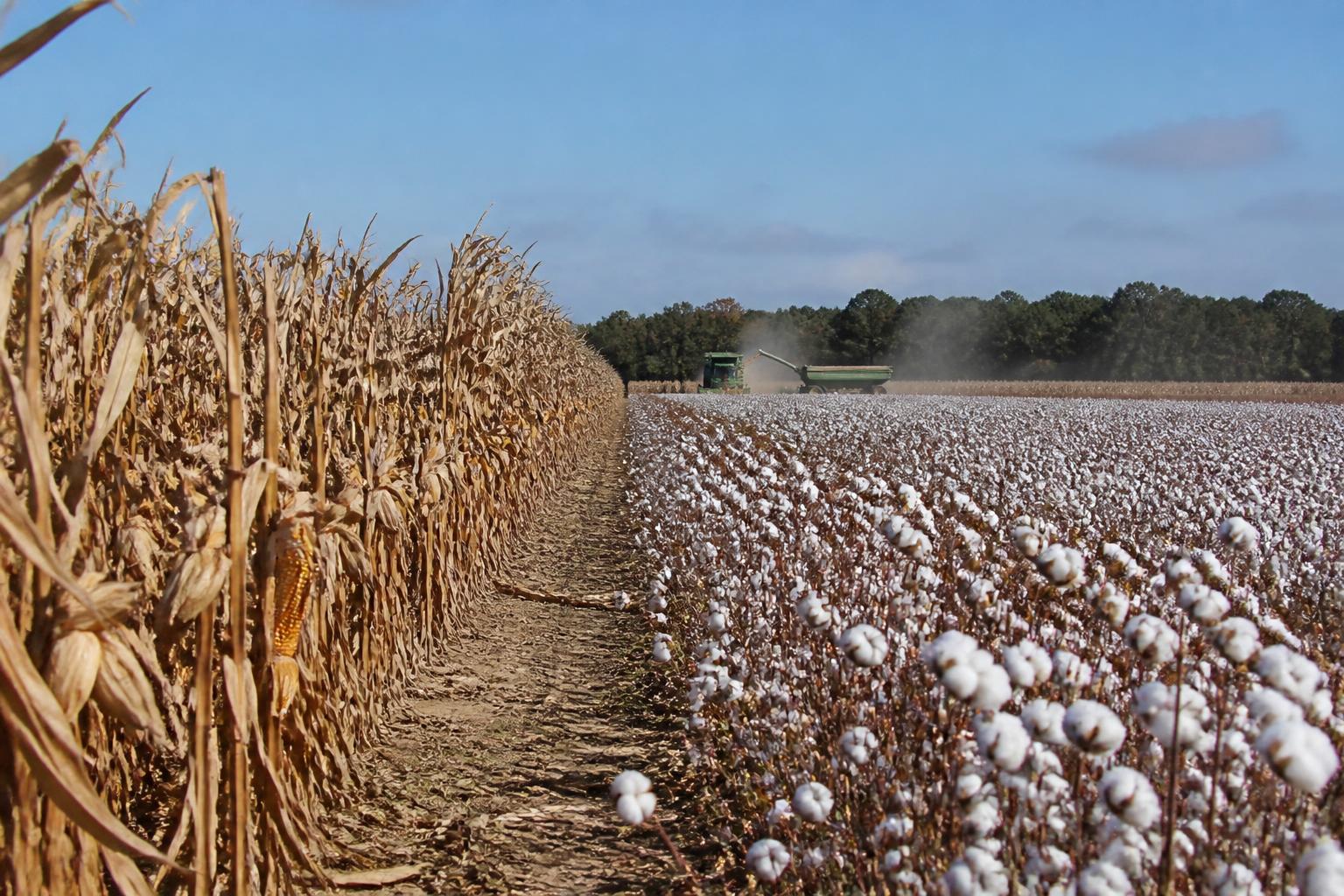
Strong Crop Performance Amidst Harvest
As the fall harvest accelerates across Tennessee, producers are seeing encouraging results in the field. Recent reports indicate that the majority of corn and cotton crops are currently rated in good to excellent condition, with corn at 78 percent and cotton at 71 percent. This favorable performance reflects a productive growing season for many regional operations, despite the logistical challenges often associated with peak autumn activity.
For growers across Tennessee, maintaining this crop quality through the final stages of the harvest remains a priority. As combines move across fields from the Mississippi River bottomlands to the rolling hills of Middle Tennessee, staying updated on regional conditions helps operators optimize their logistics. Growers navigating these busy weeks often find value in keeping a pulse on the broader Tennessee crop ratings to gauge how local performance stacks up against statewide trends.
Managing Seasonal Logistics
Harvest time typically demands peak efficiency from machinery and grain handling infrastructure. As local elevators and transport networks experience high traffic volumes, farmers are often reminded of the importance of proactive maintenance and planning. While the focus remains on the fields, securing timely transport and storage availability continues to be a standard practice for those looking to protect the high-quality yields currently coming in.
Beyond the field, producers are navigating a changing landscape of agricultural support and programs. While some traditional grant opportunities have seen adjustments, ongoing engagement with industry advisory services and regional conferences remains a reliable way for agribusinesses to stay competitive. Leveraging these resources can provide producers with the edge needed to navigate both seasonal shifts and broader economic variables.
What it means for the market
The solid ratings for corn and cotton suggest that Tennessee farmers are positioned to move high-quality supplies into the market as the harvest peaks. For grain handlers and transport providers, this steady output confirms the need for continued logistical coordination to keep commodities moving efficiently from rural regions to major distribution points. As the season progresses, market participants should keep a close eye on field progress and regional throughput to manage supply flow effectively.
Comments
No comments yet - be the first to share your take.