
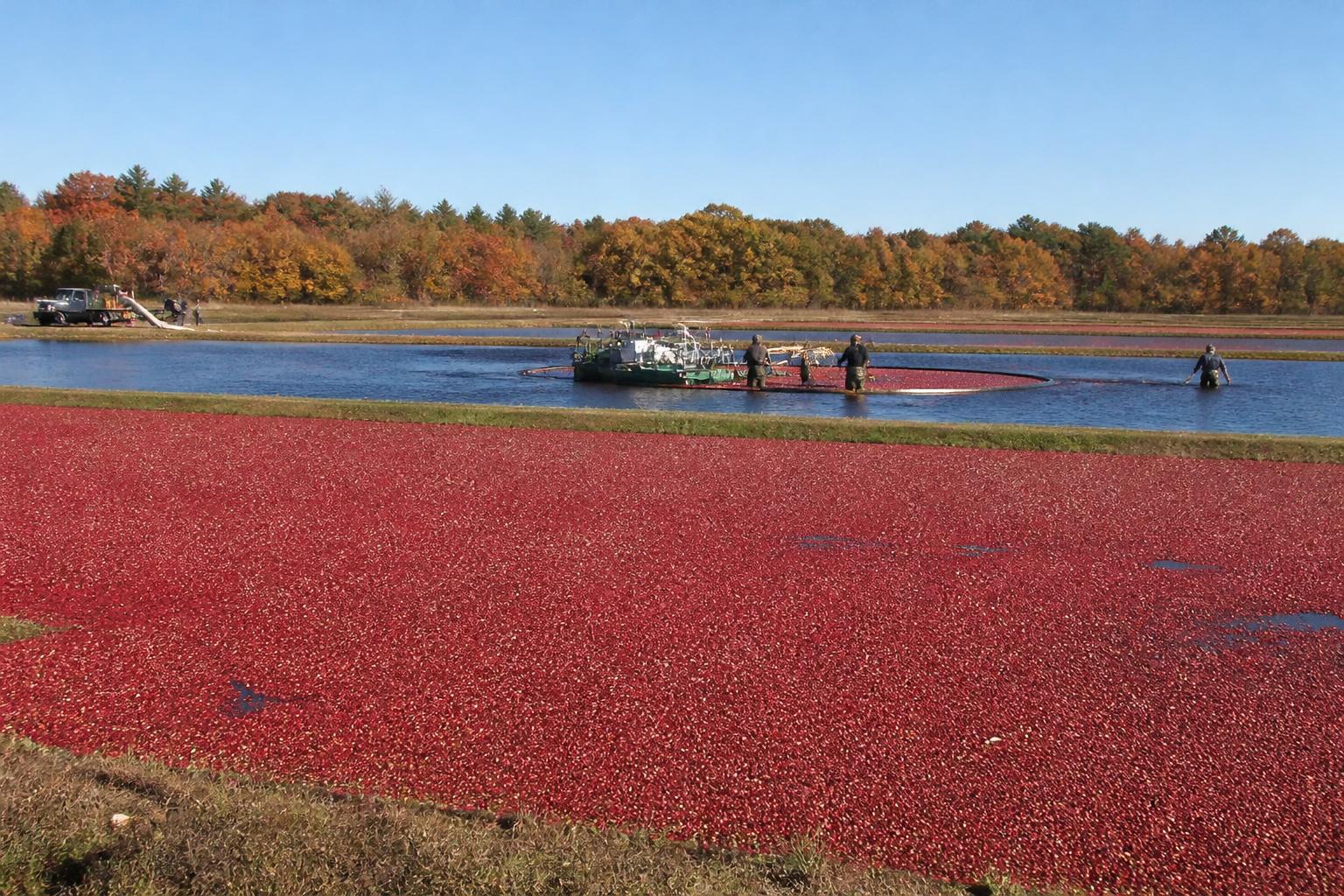
Farmers across Massachusetts are bracing for the season's first significant frost, a pivotal marker for late-harvest crops and field maintenance. As the current fall cycle nears its end, the focus among growers, grain handlers, and regional logistics providers is shifting toward protecting yields and optimizing the supply chain ahead of the impending winter dormancy.
For those managing storage or looking to move late-season outputs, efficient transport remains a priority. Recent industry trends highlight a growing emphasis on infrastructure capacity, with many operations seeking to balance convenience with the necessity of maintaining robust cold chain standards for sensitive agricultural goods. Whether you are navigating logistics and market resilience or managing final field operations, the current weather window provides a final chance to secure assets before colder conditions take hold.
Managing Seasonal Vulnerabilities
The threat of a killing frost typically forces an immediate pivot in agricultural labor. Growers often rush to complete the harvest of tender crops while simultaneously prepping equipment for winter storage. In some regions of Massachusetts, producers are also evaluating their input strategies, considering the availability of essential materials like fertilizers and the broader impact of global market volatility on local operations.
Input management and protection strategies remain vital, especially as regional ag businesses continue to navigate shifting resource requirements. Precision farming technology is increasingly cited as a tool for mitigating some of these logistical and supply-side uncertainties, allowing producers to do more with less while maintaining efficiency during tight transition periods.
What it means for the market
Market participants should expect localized tightening in transport capacity as harvest-related activity reaches its peak. With the dual pressure of seasonal cold-weather shifts and evolving demands for agricultural inputs, agribusinesses that prioritize early communication with carriers and suppliers will likely be better positioned to navigate the coming months. Ensuring that grain-handling equipment is cleared and storage facilities are optimized for the winter months is essential to minimizing losses as we move deeper into the fall season.
Comments
No comments yet - be the first to share your take.