
Market Headwinds Amid Harvest Gains
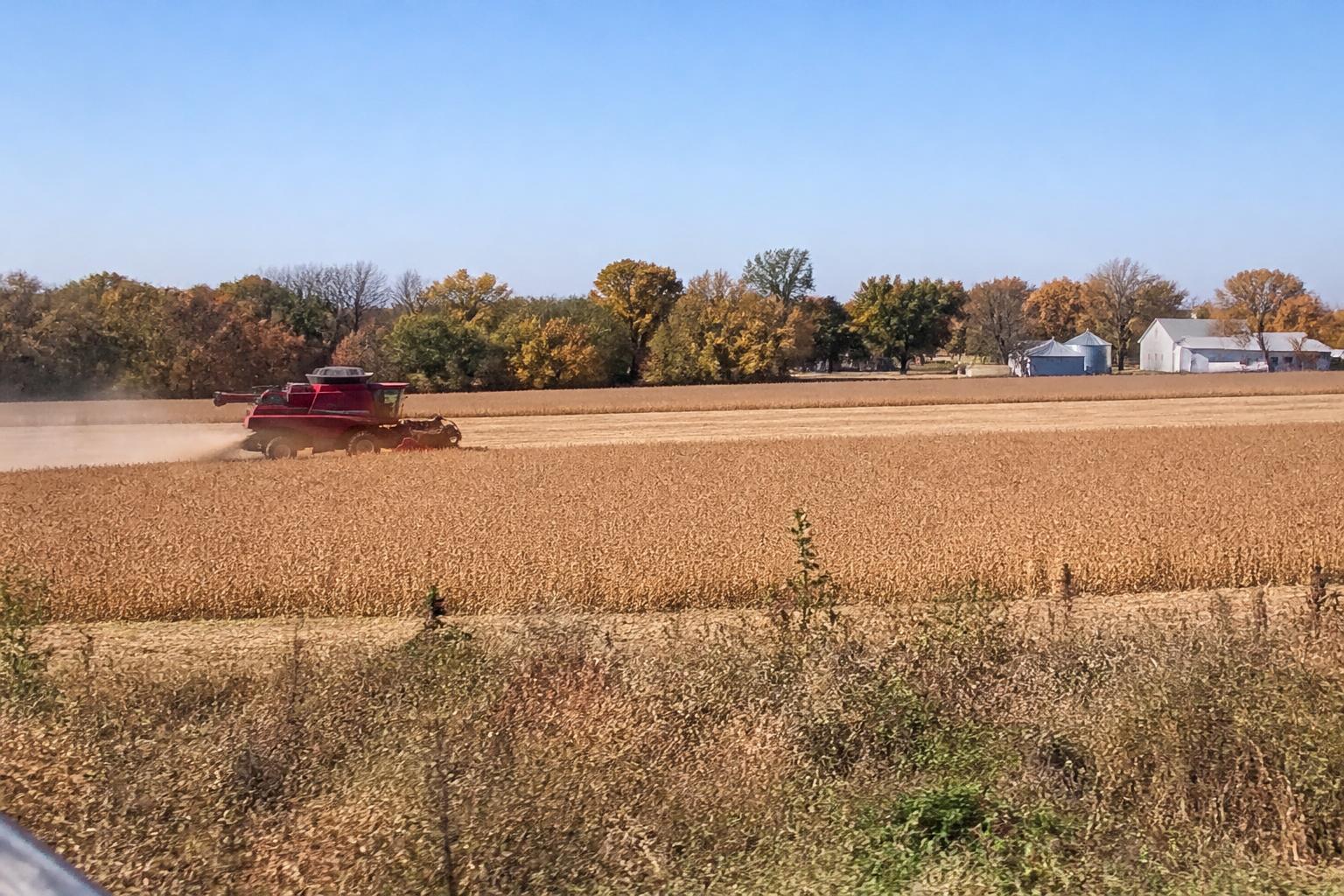
With soybean harvest reaching completion in most parts of Kansas, growers are turning their attention to the logistical hurdles impacting the bottom line. While crop conditions have shown resilience across the state, the combination of high input prices and transportation bottlenecks remains a persistent challenge for elevators and producers alike. High diesel prices continue to pinch agricultural budgets, complicating the movement of grain from field to storage and eventually to rail terminals.
Infrastructure and Logistical Bottlenecks
For many producers, the challenge extends beyond just the cost of fuel. Infrastructure efficiency remains a focal point for the regional supply chain, with local efforts aiming to improve rural connectivity, such as the use of innovative bridge designs funded by industry groups. However, the broader transportation network often faces pressure during peak seasonal demand. As seen in our recent outlook on regional logistics, the delicate balance between terminal capacity and the speed of harvest arrivals can lead to localized congestion, forcing operators to navigate shifting delivery schedules and rail availability.
Policy and Protection for Producers
Beyond current harvest-time logistics, federal and state-level discussions regarding agricultural support continue to develop. Legislators are increasingly weighing in on the necessity of stronger crop insurance and protections against regulatory shifts that could impact, for instance, the availability of essential crop protection tools. These policy considerations, coupled with regional expansion by agribusiness firms in areas like southeast Kansas, suggest that the infrastructure and policy landscape remains fluid for those managing large-scale operations.
What it means for the market
The convergence of elevated fuel expenses and infrastructure limitations places a premium on strategic grain marketing and transport planning. As the season progresses, market participants should anticipate continued sensitivity to energy prices and potential localized slowdowns in delivery pipelines, underscoring the need for flexibility in storage and supply chain management.
Comments
No comments yet - be the first to share your take.