
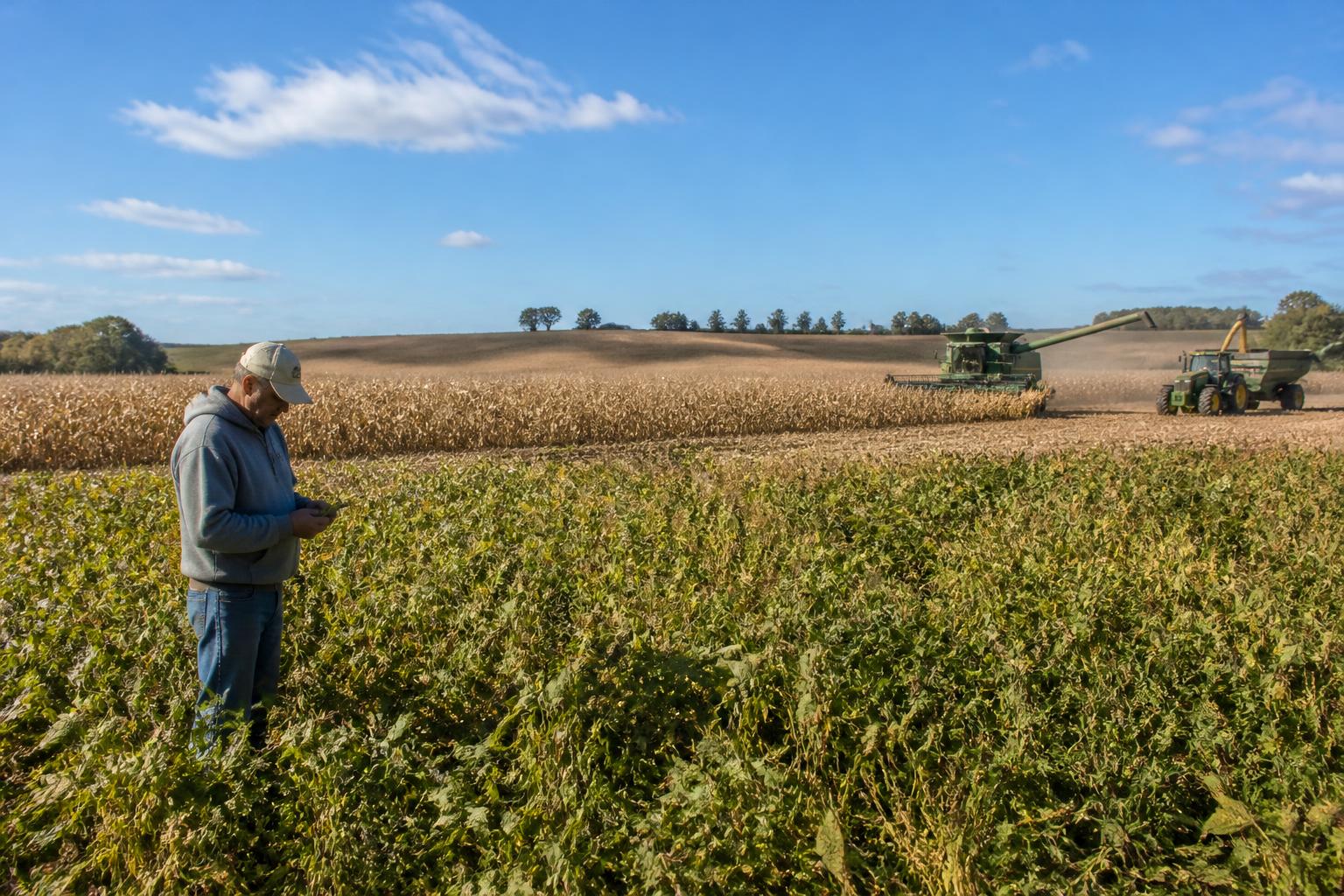
As the fall harvest progresses across Nebraska, producers are navigating a complex environment defined by fluctuating market conditions and evolving policy landscapes. While many operations have seen crops remain ahead of schedule despite earlier dry and hot conditions, farmers are often choosing to pace their fieldwork deliberately. This measured approach reflects a broader trend of producers monitoring both global market signals and localized logistical challenges as they bring in the year's yields.
Amidst these field operations, the legislative environment is also shifting. Nebraska has recently established itself as a leader in U.S. farm data privacy protections, providing producers with new frameworks for managing sensitive information generated by precision ag technology. This regulatory evolution comes at a time when producers are also weighing the potential impact of farm-level input costs and tax policies on their overall margins.
Logistics and Market Pressures
The movement of grain remains a critical factor for elevator managers and carriers alike. With the harvest cycle in full swing, local transport capacity is often tested by seasonal demand. Previous discussions have highlighted the need for efficiency in managing infrastructure and market flow, as bottlenecks can quickly impact the bottom line for those looking to move product to regional terminals or export hubs. Furthermore, ongoing debates regarding international trade policies, such as the implications of global tariffs and beef import regulations, continue to weigh on the minds of those involved in the livestock and grain supply chains.
The Road Ahead
For many across the state, the focus is currently on maintaining operational flexibility. Whether it is responding to shifting moisture levels that have impacted different regions of Nebraska differently or evaluating opportunities in emerging sectors like sustainable aviation fuel, the ability to adapt remains paramount. As noted in earlier rail and export logistics updates, coordination between farmers, commercial storage facilities, and transport providers is essential to mitigating the risks associated with peak seasonal traffic.
What it means for the market: For Nebraska producers and agribusinesses, the current season underscores the necessity of balancing on-farm production efficiency with a keen awareness of external policy and logistics. Protecting data assets and monitoring input costs will be as vital to long-term profitability as maximizing yields in the field during this productive, yet uncertain, fall window.
Comments
No comments yet - be the first to share your take.