
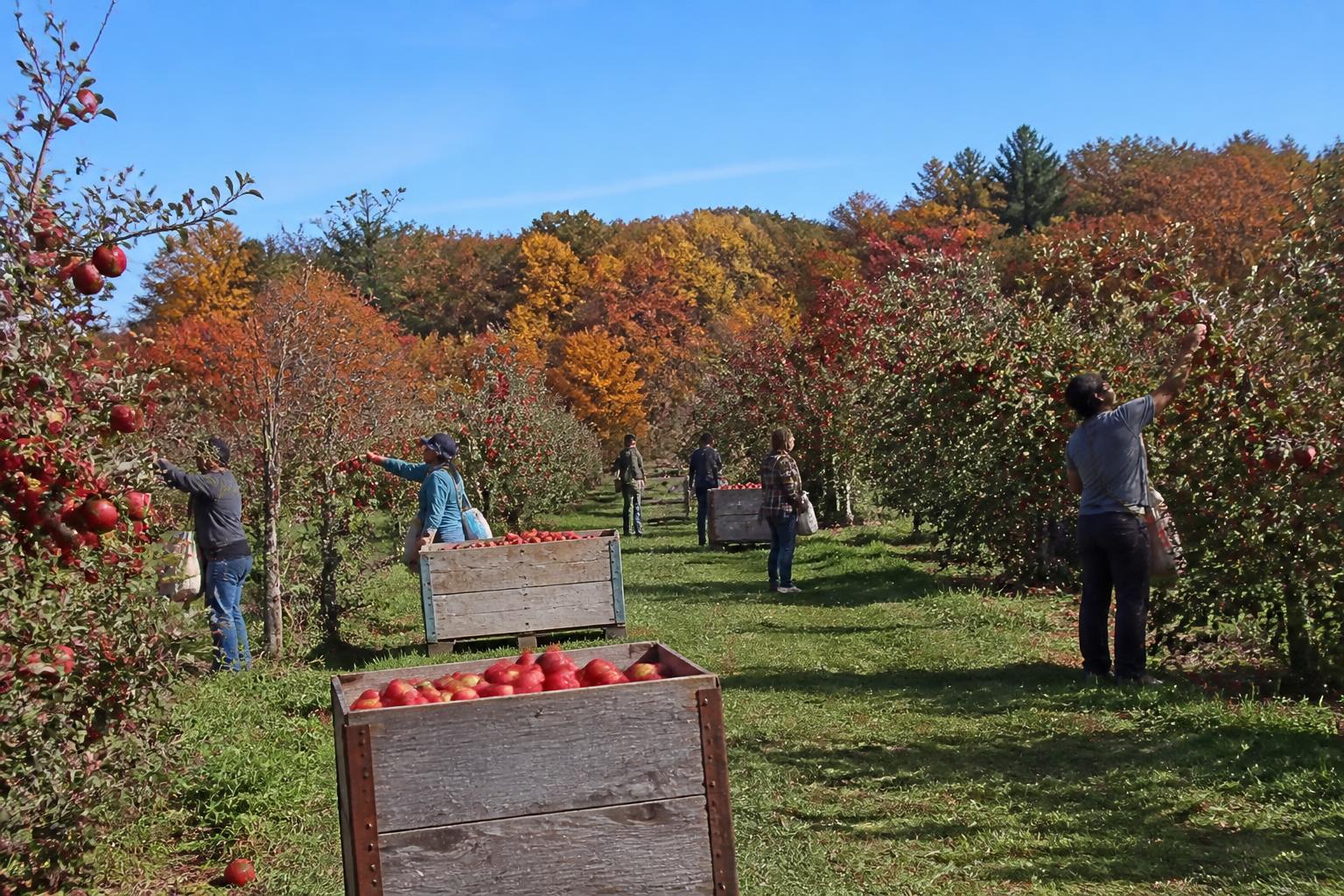
As the Massachusetts harvest season winds down across the state, from the apple orchards of the Berkshires to the coastal vegetable farms near Cape Cod, agricultural producers are shifting their focus toward long-term planning and input management. With current market conditions, farmers are paying close attention to how volatile global fertilizer costs may impact their bottom lines for the upcoming season.
Input Price Sensitivity and On-Farm Strategy
For many local agribusinesses, the cost of soil amendments remains a critical variable. While large-scale agricultural sectors often face direct impacts from international supply chain shifts, smaller, diversified operations in Massachusetts typically balance these costs through precise nutrient management and soil health investments. Staying informed on evolving regulatory and protection requirements is vital for maintaining margins, especially when fertilizer inputs represent a significant portion of operating expenses.
Logistics and Regional Stability
Effective logistics remain the backbone of the state's agricultural resilience. As growers finish the season, managing regional distribution channels is essential to getting products to market efficiently. Producers often rely on stable transportation networks to navigate the complexities of local supply chains, and keeping an eye on broader economic factors—such as the correlation between fuel costs and transportation—can help handlers plan their off-season storage and delivery schedules more effectively. Proper planning at this stage supports the industry's ability to maintain a consistent local food supply.
What it means for the market
While the immediate focus is on wrapping up harvest activities and preparing for winter logistics, the prevailing market sentiment suggests a need for cautious financial oversight. By monitoring input cost trends alongside regional distribution efficiency, Massachusetts farmers can better position their operations to manage future economic pressures and maintain sustainable production levels heading into the next year.
Comments
No comments yet - be the first to share your take.