
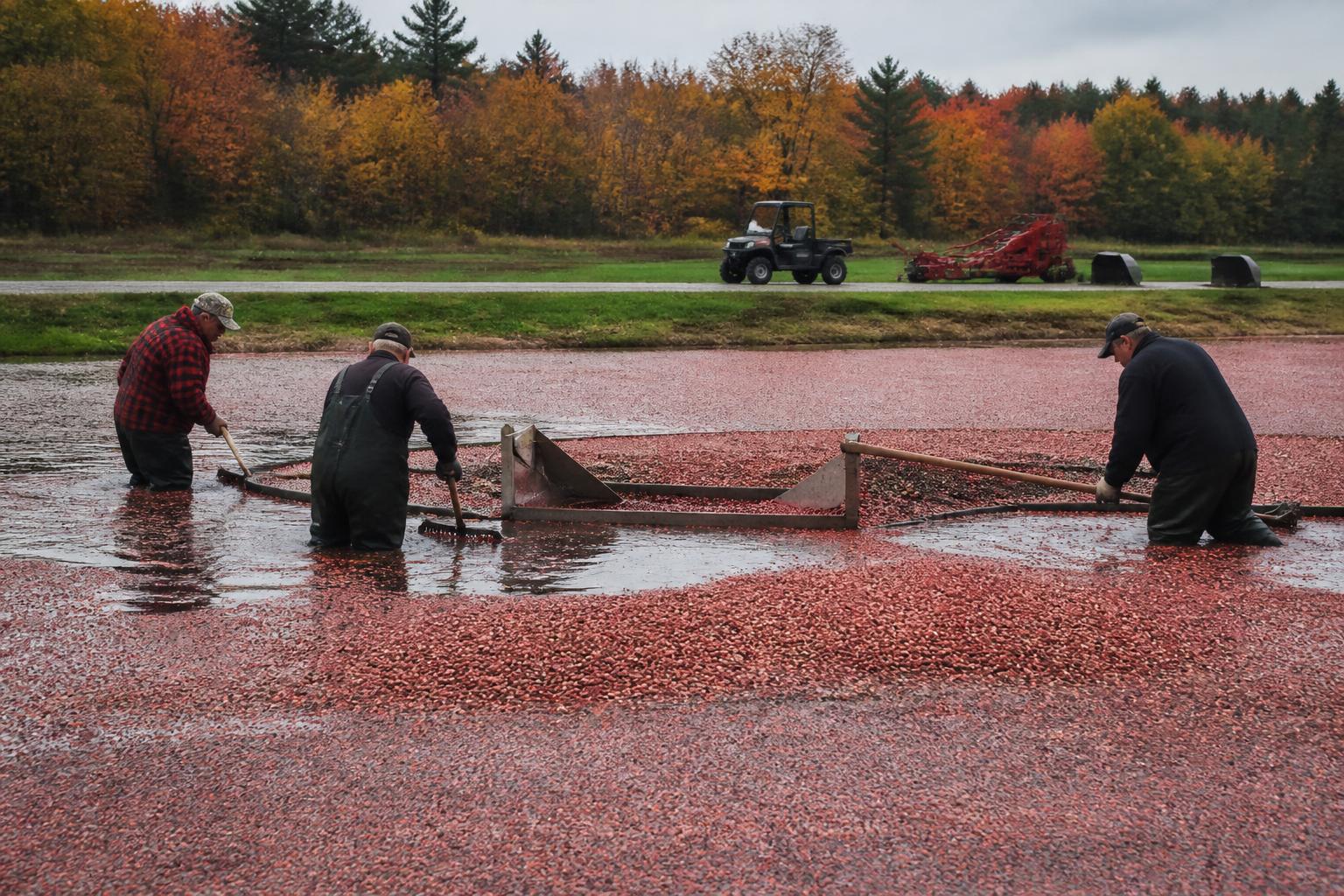
October marks a pivotal time for Massachusetts agriculture, with the state observing Cranberry Month as harvest operations hit their stride. This period of high activity requires a focus on both operational resilience and strategic crop protection. For many growers in the Commonwealth, the ability to manage seasonal pest pressures remains a primary factor in maintaining yield quality and economic stability during these peak weeks.
As operations continue, producers are actively monitoring for invasive threats, such as the spotted lanternfly, which remains a key concern for state agricultural officials. Effectively managing these pressures often requires a combination of vigilance and the integration of modern crop protection solutions. Staying informed on input availability and pest management strategies is essential for operations looking to safeguard their bottom line as temperatures begin to cool.
Regulatory Awareness and Operational Logistics
The broader regulatory environment continues to impact how agribusinesses manage their value chains. From shifts in state-level agricultural mandates to the complexities of last-mile logistics, operators are finding that compliance is just as important as the physical harvest. The agricultural community is increasingly focused on how to best balance these legal frameworks with the need for efficient production cycles, especially when managing high-value commodities.
Beyond regulatory compliance, the industry is closely observing how shifts in resource strategy influence the sector. For farmers and handlers, aligning input usage with seasonal rhythms is a critical skill. Growers who prioritize proactive monitoring and stay updated on the latest crop outlooks are often better positioned to handle the inherent volatility of the fall market.
What it means for the market
For Massachusetts agribusinesses, the current focus is on closing out the season with minimal disruption. The intersection of peak harvest volume and proactive pest mitigation serves as a reminder that profitability relies on a multi-faceted approach. By staying current on regulatory developments and continuing to refine integrated pest management strategies, producers can better protect their margins against environmental and legislative variables through the remainder of the year.
Comments
No comments yet - be the first to share your take.