
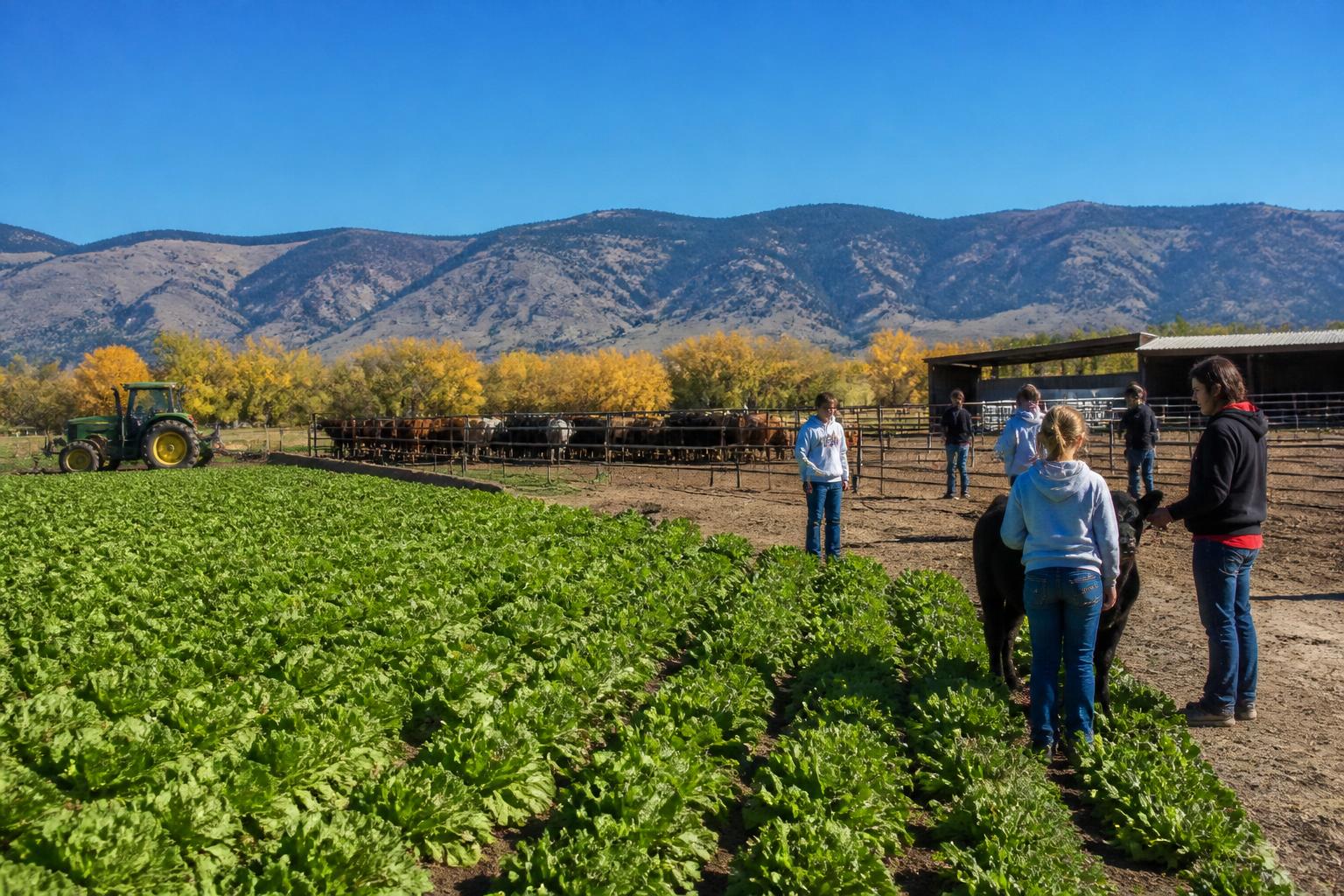
As Colorado farmers transition through the fall season, the focus is shifting toward input procurement for the next planting cycle. Amidst a complex landscape of trade policy shifts, regional producers are increasingly concerned about the volatility of fertilizer prices. Reports indicate that many in the industry feel the cumulative pressure of current trade tariffs, which continue to complicate the cost structure for essential crop inputs.
Input Affordability and Trade Pressures
For operations across the high plains and beyond, the financial burden of nitrogen and other essential nutrients remains a persistent variable. There is growing sentiment among local growers that current market conditions may be artificially inflating input expenses. As discussions regarding potential logistics and thin margins continue to dominate grower meetings, the request for relief from import duties has become a central theme for farm advocates.
This frustration is exacerbated by the ongoing uncertainty in the broader agricultural economy. While some specialty sectors may find stability in local demand, the commodity grain sector is particularly sensitive to these input price fluctuations. Maintaining operational viability often requires close collaboration with suppliers to navigate these supply chain headwinds effectively.
Strategic Planning in a Volatile Environment
Beyond inputs, regional producers are balancing several factors that could influence their bottom line as winter approaches. Early seasonal market signals are prompting many handlers to reassess their purchasing strategies. For those looking ahead, monitoring shifts in regional distribution and potential changes in tariff enforcement will be critical for timely procurement.
Furthermore, the agricultural community remains attentive to developments in seasonal logistics that impact the movement of goods through Colorado. Ensuring that the supply chain remains fluid is essential to mitigating the impact of external price pressures on local farm balance sheets.
What it means for the market
For Colorado farmers, the current environment necessitates a proactive approach to input procurement. As legal and trade discussions continue to evolve, producers should prioritize early communication with their suppliers and closely track regional price indicators. The combination of trade policy friction and fluctuating input costs underscores the importance of precision in budgeting and risk management for the upcoming crop year.
Comments
No comments yet - be the first to share your take.