
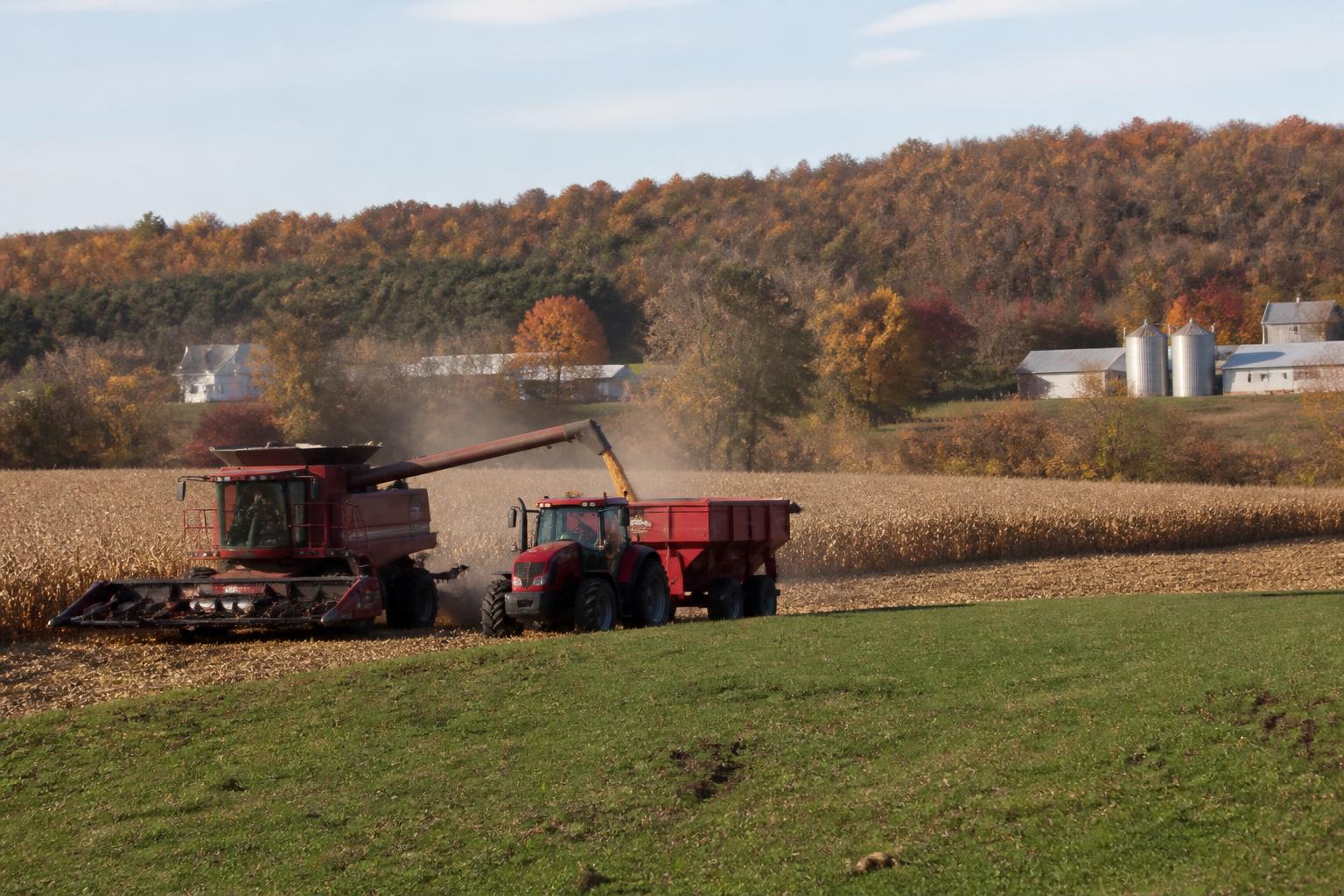
The Maryland harvest season is now in full swing, bringing a mix of promise and logistical pressure for producers across the state. Reports from the field suggest a season defined by variability, with many farms observing distinct differences in crop performance across regions. As farmers work to gather these yields, the focus is shifting toward optimizing on-farm storage and coordinating efficient transport to local elevators.
Navigating Logistical Hurdles
For those managing the flow of grain from field to storage, the intricacies of fall transport logistics remain a primary concern. With harvest activity intensifying, local road traffic and elevator wait times can create bottlenecks that impact daily operations. Successfully managing input costs and optimizing field traffic patterns is increasingly critical as operators look to maintain margins in a competitive market environment.
Addressing Market and Operational Realities
Beyond the immediate tasks of harvest, agricultural stakeholders in Maryland are keeping a close eye on broader operational shifts. Recent regulatory updates regarding fuel usage have provided some flexibility for farmers managing high operating costs during peak activity. Furthermore, producers are continuing to evaluate their storage and marketing strategies in light of the regional supply landscape, ensuring that post-harvest losses are minimized through careful handling and storage management.
What it means for the market
The current harvest landscape in Maryland emphasizes the need for strategic planning. As yields vary, producers who prioritize efficient movement and make informed decisions regarding their grain sales are better positioned to weather the volatility of the season. Balancing these logistics with an eye on upcoming input requirements for the next cycle will be key to sustaining profitability throughout the remainder of the year.
Comments
No comments yet - be the first to share your take.