
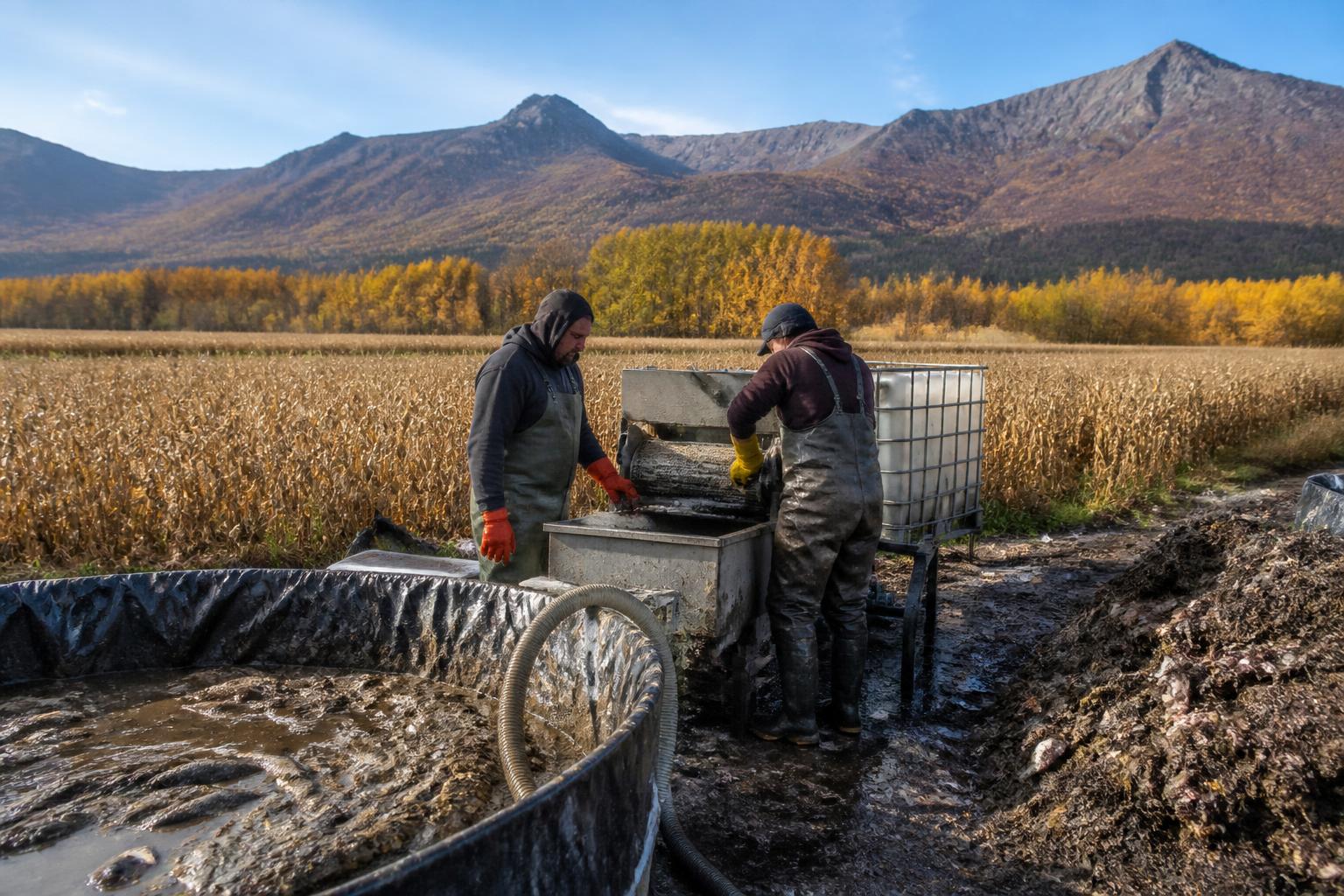
As harvest activity winds down across the state during this late October window, many producers are turning their attention toward long-term strategies for building out a more resilient regional agricultural economy. The conversation among local stakeholders is increasingly moving beyond the traditional “Alaska Grown” certification, focusing instead on integrated systems for processing, packaging, and marketing products locally.
This shift represents a fundamental change in how growers view the value chain. For those managing grain or specialized crop operations, the goal is to reduce reliance on long-haul logistics by capturing more value before commodities leave the state. Expanding local processing capacity could provide a critical buffer against the inherent volatility and high costs associated with external supply chain disruptions, a topic often explored in navigating Alaska's developing agricultural supply chain.
Infrastructure and Strategic Growth
Investment in agricultural infrastructure remains a key priority for producers. Whether it is improving regional storage or upgrading distribution networks, enhancing operational capability is essential for competitive stability. Efforts to bolster new strategic reserve capacity for grains have become a focal point, aiming to ensure that local elevators and handlers can maintain steady operations throughout the winter months.
Furthermore, the integration of new technologies and sustainable inputs, such as specialized fish-based fertilizers, continues to be a point of interest for growers looking to maximize yield in Alaska's unique climate. As the sector evolves, farmers are balancing these operational improvements with broader business management practices, such as navigating commodity market volatility, to protect their bottom lines in an increasingly interconnected global market.
What it means for the market
For grain handlers and producers, the emphasis on local processing suggests a long-term shift toward higher-value product tiers rather than commodity-scale output. Agribusinesses should prepare for a tightening of the regional supply chain as more focus is placed on keeping products within state borders. By prioritizing local processing and improved storage, participants in the Alaska agricultural space may find themselves better positioned to weather seasonal transport challenges and capture a larger share of the end-consumer dollar.
Comments
No comments yet - be the first to share your take.