
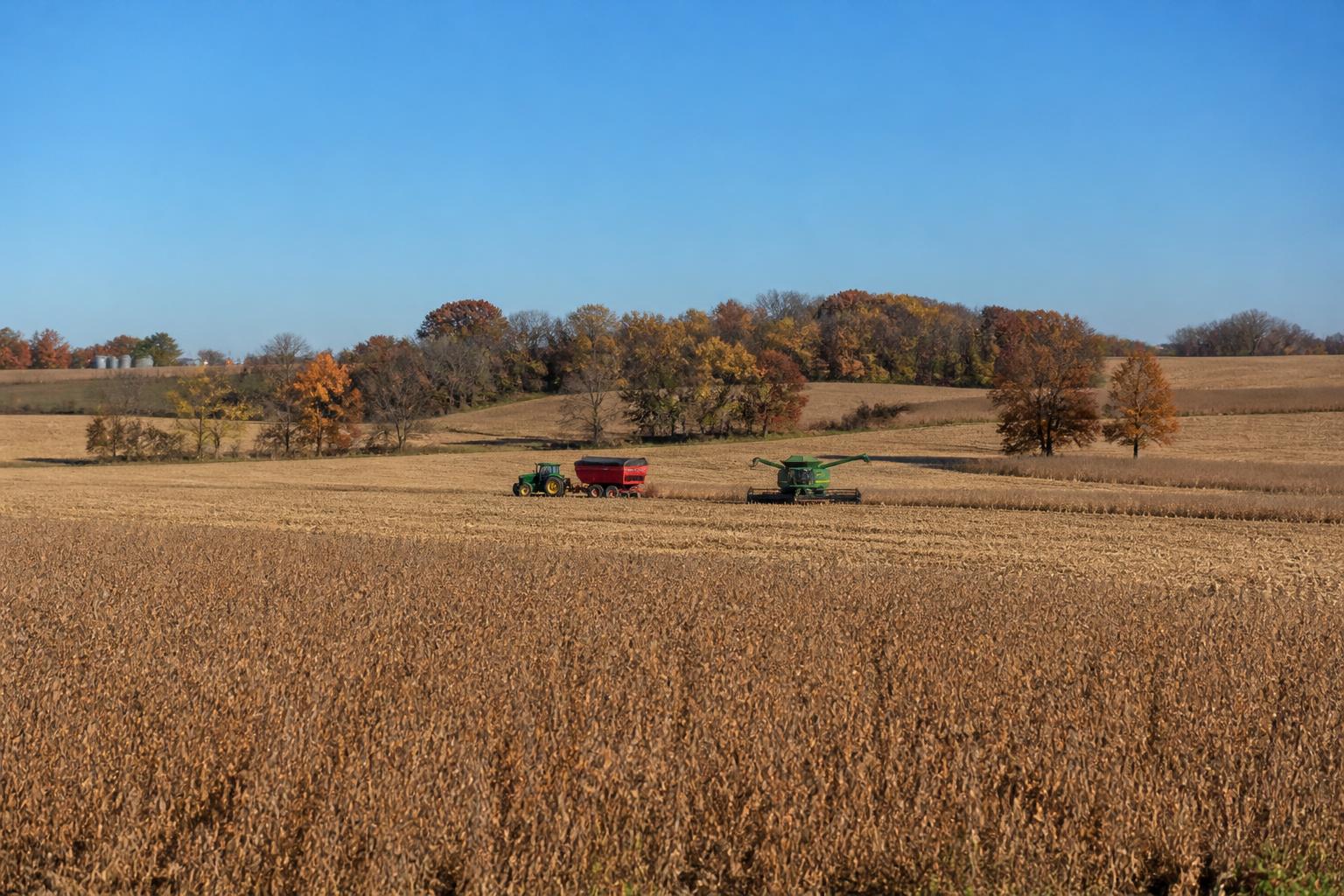
With the Illinois harvest season in full swing, local elevators and agricultural operations are managing the delicate balance between clearing fields and maintaining critical input supply chains. The current pace of fieldwork across the state’s primary agricultural regions necessitates efficient movement of both grain and essential inputs, placing a premium on reliable regional logistics.
A significant development for operators this season is the recent approval of temporary hours-of-service relief by the Federal Motor Carrier Safety Administration (FMCSA). This waiver specifically applies to the transportation of fertilizer, providing much-needed flexibility for drivers during this window of peak demand. This adjustment can help smooth out the bottlenecks often seen at regional distribution hubs and along major highway corridors where truck traffic frequently intensifies during the autumn months.
Adapting to Operational Pressures
The agricultural sector in Illinois continues to navigate a complex environment, characterized by both shifting trade landscapes and ongoing fiscal challenges for many producers. As ag logistics remain a critical focal point, operators are increasingly looking for ways to mitigate the impact of fluctuating transportation costs. Ensuring that trucks remain productive while adhering to safety regulations is a priority, and the temporary regulatory relief is a welcome tool for those coordinating the movement of critical inputs alongside the seasonal grain rush.
What it means for the market
For grain handlers, carriers, and input buyers, the priority remains maximizing throughput during this narrow harvest window. While the regulatory easing for fertilizer transport provides operational breathing room, success will depend on proactive scheduling and maintaining clear communication with regional logistics partners. As the season progresses, farmers should monitor local transit updates and elevator capacity reports to better manage delivery timing and overall transportation overhead.
Comments
No comments yet - be the first to share your take.