
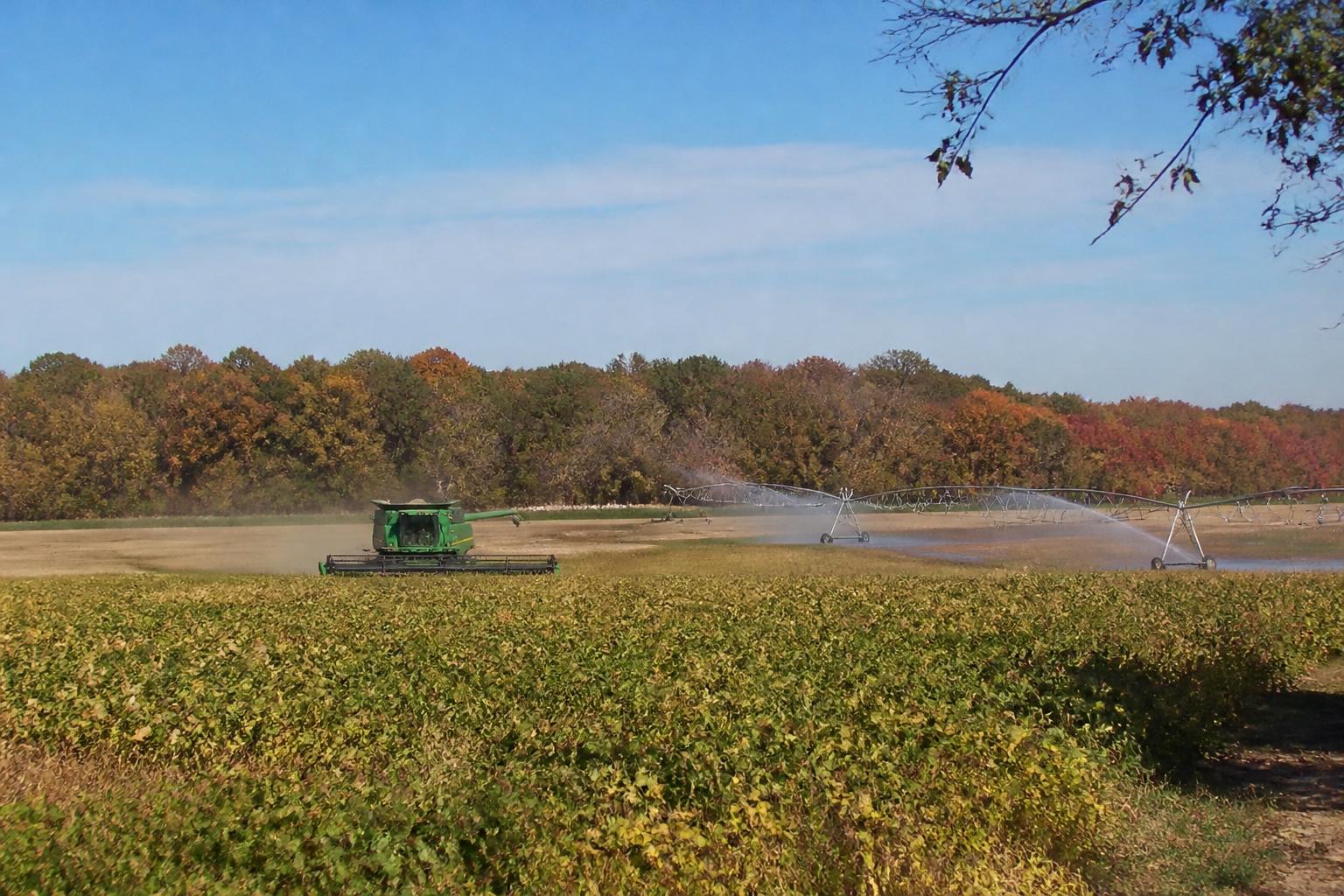
As the fall season brings harvest activity to a peak across Georgia, the focus for many growers is shifting toward field preparation and the strategic planning of input requirements for the upcoming cycle. With land being cleared for winter cover crops or pre-tilled for the spring, assessing soil fertility and managing nutrient application remains a cornerstone of efficient farm management. In regions ranging from the fertile coastal plains to the northern rolling hills, producers are increasingly prioritizing the balance between input costs and yield potential.
Technology continues to play a vital role in this optimization. The adoption of precision tools, such as smart irrigation systems, is helping growers move toward the goal of producing more crop per drop, ensuring that nutrients applied to the soil are utilized with maximum effectiveness. This technological push is not just about water; it is a holistic approach to resource management that aligns well with the ongoing efforts of the Georgia agricultural community to remain competitive and sustainable.
Infrastructure and Logistical Support for Input Delivery
Efficient movement of agricultural supplies is critical during these high-activity months. Recent investments in logistics, such as the expansion of state-of-the-art export and logistics facilities near Savannah, are creating secondary benefits for local input chains. As supply corridors become more streamlined, farmers may find more reliable access to essential soil amendments and fertilizers, particularly as logistics providers work to balance export traffic with domestic supply needs. Understanding the nuances of state infrastructure capacity is key for agribusinesses and elevators looking to position themselves for a seamless transition into the next planting season.
Staying Alert to Operational Risks
Amidst the busy fall schedule, producers are reminded to maintain vigilance regarding operational security. The Georgia Department of Agriculture has recently emphasized the importance of safeguarding against potential agricultural scams. Farmers are encouraged to work only with established, reputable suppliers for their fertilizer and pest control needs to ensure product quality and verify the legitimacy of field service offers, keeping local operations secure during this critical time of year.
Key Takeaways
- Precision irrigation and nutrient management technologies are essential tools for maximizing yield while controlling input expenses.
- Logistical developments near the coast are positively influencing supply chain reliability for agricultural inputs across the state.
- Producers should verify the credibility of any new input or pest control services to avoid potential operational risks.
What it means for the market: For Georgia farmers and input suppliers, the intersection of improved logistics and high-tech efficiency offers a path to lower per-acre costs. As the state’s agricultural footprint continues to evolve, those who integrate data-driven nutrient planning and secure their supply chains early are best positioned to navigate the complexities of the current market environment.
Comments
No comments yet - be the first to share your take.