
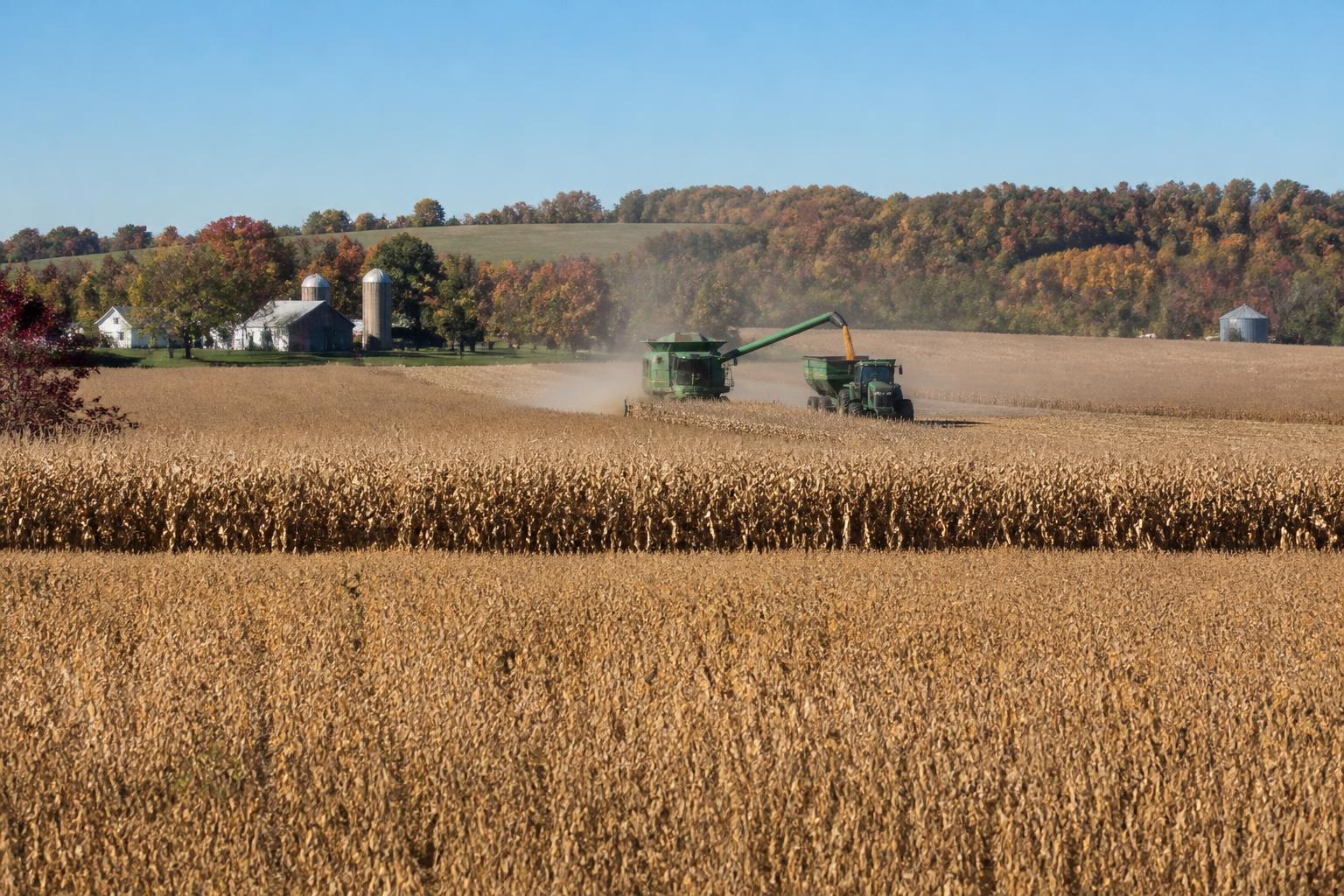
As the fall harvest season hits its stride in Kentucky, field conditions are keeping producers busy across the state. For many farm operations, this time of year centers on the efficient transition of grain from the field to local elevators or long-term storage facilities. Managing logistics and crop management remains the primary focus as throughput increases at regional delivery points.
Optimizing Harvest Logistics
With harvesting activity in full swing, local grain handlers typically experience a surge in traffic. For producers in the Bluegrass State, maintaining consistent communication with local elevators is crucial for preventing bottlenecks. As haul times can fluctuate depending on regional road congestion and equipment availability, preparing for potential delays is a standard best practice during the height of the season.
Looking Ahead at Infrastructure and Production
While current efforts are dedicated to bringing in the crop, the long-term outlook for Kentucky agriculture continues to evolve. Ongoing investments in infrastructure and the integration of new resources, such as specialized centers of excellence, are intended to bolster the state's production capacity. Furthermore, as renewable energy markets expand, many local agribusinesses are evaluating how these shifting industry trends might impact future operational demands.
What it means for the market
For Kentucky farmers and logistics providers, the coming weeks are critical for maximizing harvest margins. Efficient fleet management and proactive coordination with storage facilities are the most effective ways to mitigate the common pressures of the fall season. By staying informed on local throughput and infrastructure developments, agribusinesses can better navigate the current, fast-paced market environment.
Comments
No comments yet - be the first to share your take.