
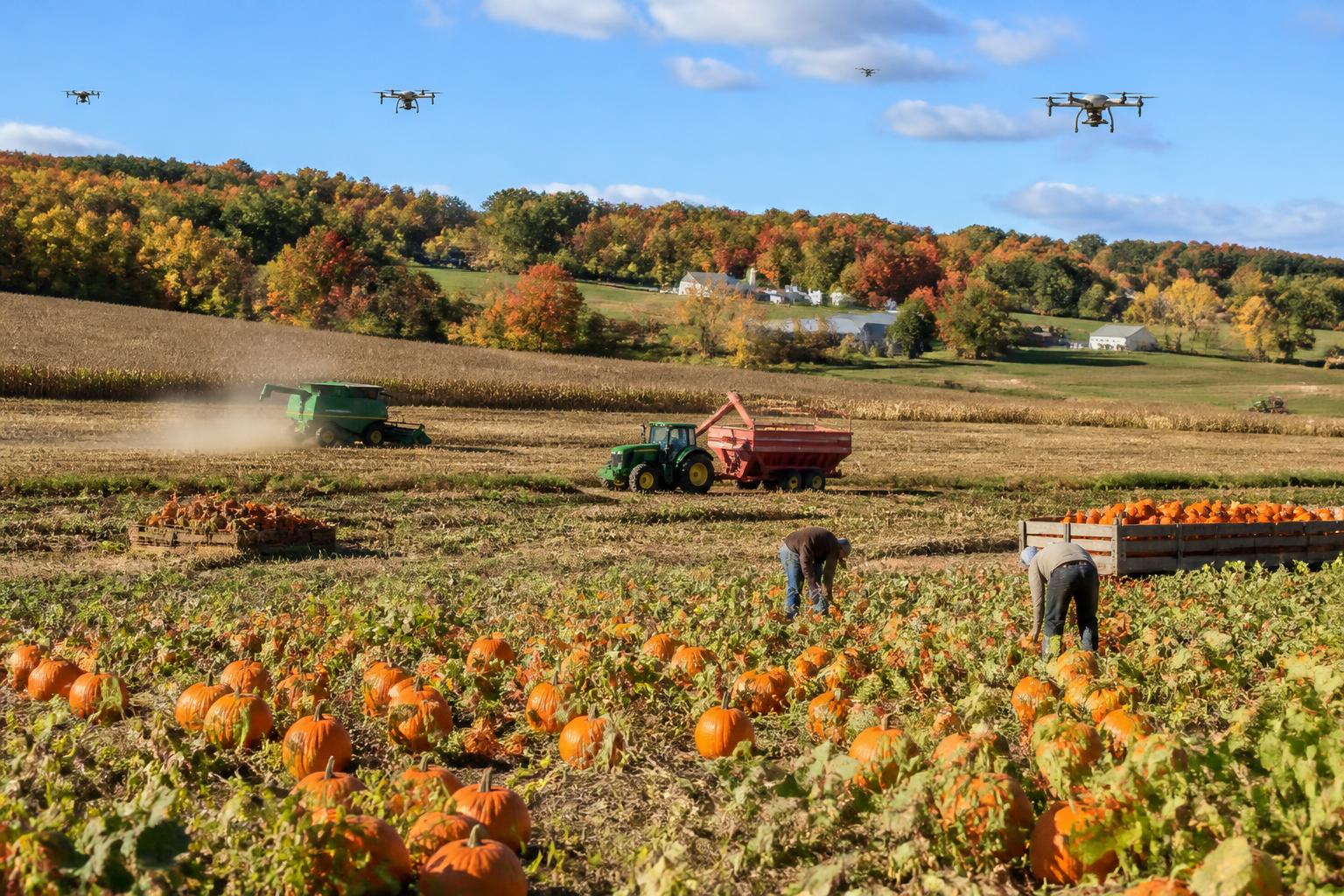
As we move deeper into the fall season, Arizona's agricultural sector is seeing a notable evolution in how goods move across the border and through local logistics networks. With the state serving as a critical corridor for produce imports, the integration of new technologies is playing an increasingly vital role in maintaining the pace of these complex supply chains.
For growers, handlers, and carriers, the pressure to maintain throughput during this high-volume period is constant. Recent industry developments highlight that digital tools are no longer just an advantage but a fundamental component in mitigating risks and securing the integrity of regional logistics. Whether it is through improved cold-chain monitoring or automated documentation, these technologies are helping firms avoid the typical bottlenecks that can arise during peak harvest and distribution windows.
Modernizing the Import Corridor
Arizona's infrastructure remains a focal point for the regional movement of perishables. As imports continue to flow through key ports of entry, the adoption of precision logistics and data-driven management is enabling more consistent scheduling. This shift is particularly relevant as labor and input costs remain at the forefront of operational planning. By leveraging real-time data, businesses can better navigate the complexities of road transit and warehouse distribution without relying solely on traditional, manual workflows.
Efficiency Through Data
Beyond traditional trucking and storage, research into high-efficiency farming techniques is also beginning to inform how logistics networks are structured. Understanding the biological needs of the produce being transported ensures that the right infrastructure is deployed, reducing waste and increasing the value of every load handled in transit. For the average operator, this translates to tighter oversight and a more responsive approach to fluctuating market conditions.
What it means for the market
For those managing grain, specialty crops, or produce, the message is clear: the integration of smart logistics is becoming essential to remain competitive. As we navigate the remainder of the year, investing in digital agility will likely yield dividends in both efficiency and long-term sustainability. Staying ahead of these operational shifts will be key to protecting your margins as the market continues to demand faster, more transparent distribution cycles.
Comments
No comments yet - be the first to share your take.